RESPECT Resolution
Analysis under review: This bill has generated analysis that may be too generic or incomplete. Clause-level evidence remains available below.
Summary
What This Bill Does
The bill exempts encourages states and localities to adopt equity-focused cannabis policies including decriminalization, equitable licensing prioritizing disadvantaged communities, automatic expungement of cannabis convictions. It relies on definition changes and exemptions. The main policy areas are Cannabis Policy, Criminal Justice, and Trade.
Who Benefits and How
Low-income residents and communities of color seeking cannabis licenses could face fewer barriers, Individuals with prior cannabis convictions could face fewer barriers, and Small cannabis cultivators and entrepreneurs could gain revenue opportunities.
Who Bears the Burden and How
Large cannabis corporations and wealthy investors could face higher barriers.
Key Provisions
- Exempts encourages states and localities to adopt equity-focused cannabis policies including decriminalization, equitable licensing prioritizing disadvantaged communities, automatic expungement of cannabis convictions...
Evidence Chain:
This summary is generated from the full bill text using AI analysis. Expand "Detailed Analysis" below for identified beneficiaries/burden bearers with clause-level evidence links.
At a Glance
What This Bill Does
The bill exempts encourages states and localities to adopt equity-focused cannabis policies including decriminalization, equitable licensing prioritizing disadvantaged communities, automatic expungement of cannabis convictions.
Key Policy Areas
Cannabis Policy, Criminal Justice, Trade
Primary Purpose
The bill exempts encourages states and localities to adopt equity-focused cannabis policies including decriminalization, equitable licensing prioritizing disadvantaged communities, automatic expungement of cannabis convictions.
Policy Domains
Section 1 - Short Title
Identified Gains
- Low-income residents and communities of color seeking cannabis licenses
- Individuals with prior cannabis convictions
- Small cannabis cultivators and entrepreneurs
- Formerly incarcerated individuals seeking employment
- Communities of color affected by cannabis enforcement
Identified Costs
- Large cannabis corporations and wealthy investors
Sponsors
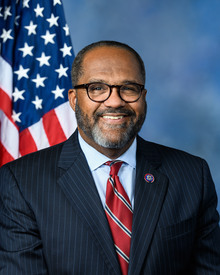


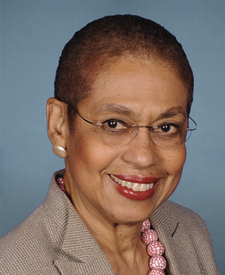
Legislative Progress
In CommitteeMr. Carter of Louisiana (for himself, Ms. Omar, Ms. Simon, …
Referred to the Committee on Energy and Commerce, and in …
Submitted in House
Stakeholder Effects
cui bono?How this legislation distributes effects. Mention counts reflect frequency, not effect magnitude.
Low-income residents and communities of color seeking cannabis licenses
Small cannabis cultivators and entrepreneurs
Formerly incarcerated individuals seeking employment
Communities of color affected by cannabis enforcement
Large cannabis corporations and wealthy investors
Bill Structure & Actor Mappings
Who is "The Secretary" in each section?
- "the_house"
- → House of Representatives expressing policy preferences
- "states_and_localities"
- → State governments and local jurisdictions encouraged to adopt recommended practices
- "the_president"
- → President of the United States
- "us_mission_un"
- → U.S. Mission to the United Nations in Vienna
- "commission_on_narcotic_drugs"
- → UN Commission on Narcotic Drugs
We use a combination of our own taxonomy and classification in addition to large language models to assess meaning and potential beneficiaries. High confidence means strong textual evidence. Always verify with the original bill text.
Learn more about our methodology