Commemorating and supporting the goals of World AIDS Day.
Analysis under review: This bill has generated analysis that may be too generic or incomplete. Clause-level evidence remains available below.
Summary
What This Bill Does
This is a non-binding House resolution commemorating World AIDS Day and expressing Congress's support for ending the HIV/AIDS epidemic by 2030. It does not create new programs or spend money - it simply states the House of Representatives' position on HIV/AIDS policy and signals support for existing efforts.
Who Benefits and How
Federal health agencies (CDC, NIH, SAMHSA) and global health programs (PEPFAR, Global Fund) receive Congressional praise and symbolic support for continued funding. HIV/AIDS advocacy organizations and community-based groups gain political backing for their work. Pharmaceutical and biotech companies researching HIV treatments and vaccines receive a signal that Congress supports NIH research partnerships.
Who Bears the Burden and How
As a non-binding resolution, this bill creates no new costs, mandates, or compliance requirements for anyone. It is purely symbolic and does not appropriate any funds or impose any obligations. The resolution urges other countries to increase their financial contributions to global HIV efforts, but this is merely a request with no enforcement mechanism.
Key Provisions
- Encourages achieving zero new HIV transmissions, zero discrimination, and zero AIDS-related deaths by 2030
- Commends existing U.S. programs: Ryan White Act, PEPFAR, CDC, NIH, and HHS efforts
- Supports continued funding for HIV prevention, treatment, and research domestically and globally
- Encourages dissemination of U=U (Undetectable=Untransmittable) scientific information
- Calls for renewed focus on HIV-related vulnerabilities of women and girls
- Urges other countries to increase their financial contributions to global HIV efforts
Evidence Chain:
This summary is generated from the full bill text using AI analysis. Expand "Detailed Analysis" below for identified beneficiaries/burden bearers.
At a Glance
What This Bill Does
A non-binding House resolution expressing support for continued efforts to combat HIV/AIDS domestically and globally, encouraging the goal of ending the HIV epidemic by 2030 through prevention, treatment, and research.
Who Benefits
- People living with HIV/AIDS
- HIV/AIDS prevention and treatment organizations
- Public health agencies (CDC, NIH, SAMHSA)
Who Bears Costs
- Federal taxpayers (through continued program funding)
- International partners urged to increase contributions
Key Policy Areas
Public Health, Global Health, Healthcare Funding, Medical Research
Primary Purpose
A non-binding House resolution expressing support for continued efforts to combat HIV/AIDS domestically and globally, encouraging the goal of ending the HIV epidemic by 2030 through prevention, treatment, and research.
Policy Domains
Legislative Strategy
"Express Congressional support for continued HIV/AIDS funding and programs while encouraging global partners to increase their contributions"
Identified Gains
- People living with HIV/AIDS
- HIV/AIDS prevention and treatment organizations
- Public health agencies (CDC, NIH, SAMHSA)
- Global health organizations (Global Fund, PEPFAR)
- Pharmaceutical and biotech companies developing HIV treatments and vaccines
- Community-based organizations serving HIV-affected populations
- Women and girls at risk of HIV
- Children requiring HIV treatment
Identified Costs
- Federal taxpayers (through continued program funding)
- International partners urged to increase contributions
Sponsors
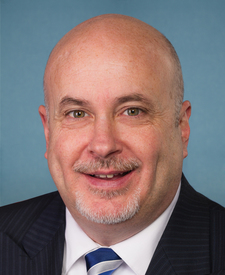


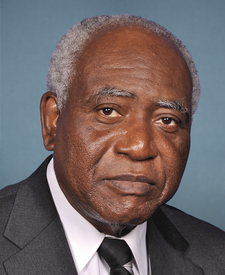
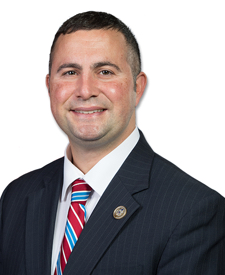
Legislative Progress
In CommitteeMr. Pocan (for himself, Mr. Fitzpatrick, Ms. Barragán, Ms. Brownley, …
Stakeholder Effects
cui bono?How this legislation distributes effects. Mention counts reflect frequency, not effect magnitude.
HIV/AIDS prevention and treatment organizations, People living with HIV/AIDS, Women and girls vulnerable to HIV
Pharmaceutical and biotech companies developing HIV treatments
Global health organizations (PEPFAR, Global Fund, UNAIDS)
Community-based organizations serving HIV-affected populations
Bill Structure & Actor Mappings
Who is "The Secretary" in each section?
- "the_house"
- → House of Representatives
Key Definitions
Terms defined in this bill
Human immunodeficiency virus
Undetectable=Untransmittable - the scientific consensus that people with HIV who achieve and maintain an undetectable viral load cannot transmit the virus to others
Acquired immunodeficiency syndrome
President's Emergency Plan for AIDS Relief
We use a combination of our own taxonomy and classification in addition to large language models to assess meaning and potential beneficiaries. High confidence means strong textual evidence. Always verify with the original bill text.
Learn more about our methodology