Authorizing the Speaker of the House of Representatives to initiate or intervene in civil actions on behalf of the House of Representatives regarding section 213 of title II of division C of the Continuing Appropriations, Agriculture, Legislative Branch, Military Construction and Veterans Affairs, and Extensions Act, 2026.
Analysis under review: This bill has generated analysis that may be too generic or incomplete. Clause-level evidence remains available below.
Summary
What This Bill Does
This bill, Authorizing the Speaker of the House of Representatives to initiate or intervene in civil actions on behalf of the House of Representatives regarding section 213 of title II of division C of the Continuing Appropriations, Agriculture, Legislative Branch, Military Construction and Veterans Affairs, and Extensions Act, 2026., changes federal law or congressional policy affecting federal agencies and legislative administrators. The main policy domain is Government Operations, Defense, Agriculture.
Who Benefits and How
federal agencies and legislative administrators may benefit from new authority, funding, eligibility, regulatory clarity, or reduced risk created by the bill.
Who Bears the Burden and How
federal implementing agencies may take on implementation duties, reporting obligations, compliance costs, or oversight responsibilities.
Key Provisions
- Section HA264105DEDFB469B9492F44EF89EA1E1: 1. Civil action The Speaker of the House of Representatives is authorized to initiate or intervene in one or more civil actions in a Federal court of competent...
- Section H5C9830B54EED4BD7AD1C279D6C6AB4FB: 2. Notification The Speaker shall notify the House of Representatives of any decision to initiate or intervene in any civil action pursuant to this resolution.
- Section H3EFBBB7E72FB47389097A7489B840320: 3. Process for civil action The Office of the General Counsel of the House of Representatives, at the direction of the Speaker, shall represent the House in...
- Section H0259FAF295F04CE5AB29E5806B9B482B: 4. Requirement to inform The Speaker shall keep the House regularly informed about developments in any litigation initiated, or in which the House intervenes,...
- Section H0A27B82F17AA4E74A1B5C9B686762416: 5. Demand for reimbursement In the event that section 213 of title II of division C of the Continuing Appropriations, Agriculture, Legislative Branch, Military...
Evidence Chain:
This summary is generated from the full bill text using AI analysis. Expand "Detailed Analysis" below for identified beneficiaries/burden bearers with clause-level evidence links.
At a Glance
What This Bill Does
This bill, Authorizing the Speaker of the House of Representatives to initiate or intervene in civil actions on behalf of the House of Representatives regarding section 213 of title II of division C of the Continuing Appropriations, Agriculture, Legislative Branch, Military Construction and Veterans Affairs, and Extensions Act, 2026., changes federal law or congressional policy affecting federal agencies and legislative administrators.
Key Policy Areas
Government Operations, Defense, Agriculture
Primary Purpose
This bill, Authorizing the Speaker of the House of Representatives to initiate or intervene in civil actions on behalf of the House of Representatives regarding section 213 of title II of division C of the Continuing Appropriations, Agriculture, Legislative Branch, Military Construction and Veterans Affairs, and Extensions Act, 2026., changes federal law or congressional policy affecting federal agencies and legislative administrators.
Policy Domains
Whole bill
Identified Gains
- federal agencies and legislative administrators
Identified Costs
- federal implementing agencies
Sponsors
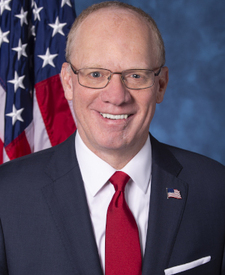
Legislative Progress
In CommitteeMr. Rose submitted the following resolution; which was referred to …
Impact analysis is available but no clear stakeholder effects identified. View clause-level analysis →
Bill Structure & Actor Mappings
Who is "The Secretary" in each section?
- "federal_implementing_agencies"
- → Federal agencies assigned duties by the bill
We use a combination of our own taxonomy and classification in addition to large language models to assess meaning and potential beneficiaries. High confidence means strong textual evidence. Always verify with the original bill text.
Learn more about our methodology