Providing for consideration of the bill (H.R. 4922) to limit youth offender status in the District of Columbia to individuals 18 years of age or younger, to direct the Attorney General of the District of Columbia to establish and operate a publicly accessible website containing updated statistics on juvenile crime in the District of Columbia, to amend the District of Columbia Home Rule Act to prohibit the Council of the District of Columbia from enacting changes to existing criminal liability sentences, and for other purposes; providing for consideration of the bill (H.R. 5143) to establish standards for law enforcement officers in the District of Columbia to engage in vehicular pursuits of suspects, and for other purposes; providing for consideration of the bill (H.R. 5140) to lower the age at which a minor may be tried as an adult for certain criminal offenses in the District of Columbia to 14 years of age; providing for consideration of the bill (H.R. 5125) to amend the District of Columbia Home Rule Act to terminate the District of Columbia Judicial Nomination Commission, and for other purposes; providing for consideration of the bill (H.R. 1047) to require the Federal Energy Regulatory Commission to reform the interconnection queue process for the prioritization and approval of certain projects, and for other purposes; providing for consideration of the bill (H.R. 3015) to reestablish the National Coal Council in the Department of Energy to provide advice and recommendations to the Secretary of Energy on matters related to coal and the coal industry, and for other purposes; providing for consideration of the bill (H.R. 3062) to establish a more uniform, transparent, and modern process to authorize the construction, connection, operation, and maintenance of international border-crossing facilities for the import and export of oil and natural gas and the transmission of electricity; and for other purposes.
Sponsors
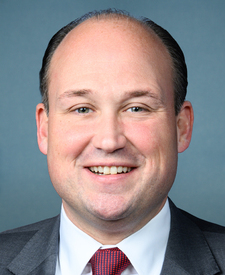
Legislative Progress
Passed HousePassed House (inferred from eh version)
Mr. Langworthy, from the Committee on Rules, reported the following …
On Agreeing to the Resolution
Providing for consideration of the bills H.R. 4922, H.R. 5143, H.R. 5140, H.R. 5125, H.R. 1047, H.R…
On Ordering the Previous Question
Providing for consideration of the bills H.R. 4922, H.R. 5143, H.R. 5140, H.R. 5125, H.R. 1047, H.R…
Summary
What This Bill Does
This is a House procedural resolution ("rule") that sets the terms for floor debate on seven different bills covering two main areas: District of Columbia criminal justice reforms and energy policy. It waives certain parliamentary objections, limits debate time to one hour per bill, and specifies which committee-approved versions of these bills will be considered. It also extends some existing congressional authorizations through March 2026.
Who Benefits and How
- House leadership and bill sponsors benefit by having a streamlined path to pass their legislation with limited amendments and debate
- The coal industry benefits because one of the bills being fast-tracked (H.R. 3015) would reestablish the National Coal Council to advise the Department of Energy on coal-related matters
- Oil, gas, and electricity companies engaged in cross-border trade benefit from H.R. 3062, which would create a faster, more uniform process for approving international pipelines and transmission lines
- Cryptocurrency and digital asset companies benefit because provisions from H.R. 1919 (limiting Federal Reserve digital currency initiatives) are being added to H.R. 3633
Who Bears the Burden and How
- D.C. residents and the D.C. government lose some local autonomy as several bills would override D.C.'s home rule authority on criminal justice matters, including prohibiting the D.C. Council from changing criminal sentences
- Youth in the District of Columbia ages 14-17 face harsher treatment as one bill would allow them to be tried as adults for certain crimes
- The Federal Reserve would be restricted from offering central bank digital currency directly to individuals
- The Federal Energy Regulatory Commission (FERC) takes on new mandates to reform its interconnection queue process for energy projects
Key Provisions
- Bundles 7 bills for expedited House consideration with 1 hour of debate each
- Four bills address D.C. criminal justice: limiting youth offender status, lowering the age for adult prosecution to 14, establishing police vehicle pursuit standards, and terminating the D.C. Judicial Nomination Commission
- Three energy bills: reforming FERC interconnection queues, reestablishing the National Coal Council, and streamlining international pipeline/transmission line approvals
- Attaches anti-CBDC legislation (H.R. 1919) to the digital commodities bill (H.R. 3633)
- Extends several existing House authorizations from September 2025 to March 2026
Evidence Chain:
This summary is derived from the structured analysis below. See "Detailed Analysis" for per-title beneficiaries/burden bearers with clause-level evidence links.
Primary Purpose
This bill aims to streamline legislative processes for various bills related to youth justice, law enforcement standards, energy regulation, and international border-crossing facilities.
Policy Domains
Bill Structure & Actor Mappings
Who is "The Secretary" in each section?
- "the_secretary"
- → Secretary of the District of Columbia
- "the_attorney_general"
- → Attorney General of the District of Columbia
- "the_secretary"
- → Secretary of Energy
- "the_commissioner"
- → Commissioner of the Federal Energy Regulatory Commission (FERC)
We use a combination of our own taxonomy and classification in addition to large language models to assess meaning and potential beneficiaries. High confidence means strong textual evidence. Always verify with the original bill text.
Learn more about our methodology