Expressing support for the designation of August 17, 2025, as Marcus Garvey Recognition Day.
Analysis under review: This bill has generated analysis that may be too generic or incomplete. Clause-level evidence remains available below.
Summary
What This Bill Does
The bill creates ceremonial resolution expressing House support for designating August 17, 2025 as Marcus Garvey Recognition Day and requesting the President issue a proclamation. The main policy areas are Commemorative Legislation and Civil Rights History.
Who Benefits and How
The available clause analysis does not identify a specific beneficiary group.
Who Bears the Burden and How
No clear private burden is identified from the available clause analysis; implementing agencies may still take on administrative work.
Key Provisions
- Creates ceremonial resolution expressing House support for designating August 17, 2025 as Marcus Garvey Recognition Day and requesting the President issue a proclamation.
Evidence Chain:
This summary is generated from the full bill text using AI analysis. Expand "Detailed Analysis" below for primary purpose and policy domains.
At a Glance
What This Bill Does
The bill creates ceremonial resolution expressing House support for designating August 17, 2025 as Marcus Garvey Recognition Day and requesting the President issue a proclamation.
Key Policy Areas
Commemorative Legislation, Civil Rights History
Primary Purpose
The bill creates ceremonial resolution expressing House support for designating August 17, 2025 as Marcus Garvey Recognition Day and requesting the President issue a proclamation.
Policy Domains
Legislative Progress
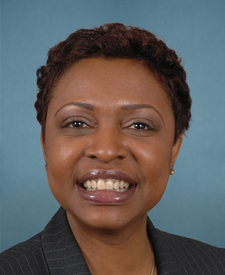
In CommitteeMs. Clarke of New York submitted the following resolution; which …
Impact analysis is available but no clear stakeholder effects identified. View clause-level analysis →
Bill Structure & Actor Mappings
Who is "The Secretary" in each section?
- "the_house"
- → U.S. House of Representatives
- "the_president"
- → President of the United States
Key Definitions
Terms defined in this bill
A proposed designation for August 17, 2025 to honor Marcus Garvey, founder of the Universal Negro Improvement Association and advocate for Black economic independence
Father of the largest African-American movement of all time; founder of Universal Negro Improvement Association; creator of Black Star Line shipping company; advocate for Black economic independence through free enterprise; granted posthumous Presidential pardon in 2025
We use a combination of our own taxonomy and classification in addition to large language models to assess meaning and potential beneficiaries. High confidence means strong textual evidence. Always verify with the original bill text.
Learn more about our methodology