Expressing support for community health centers during National Health Center Week, August 3 through August 9, 2025, and encouraging all Americans to take part in this week by visiting their local community health center and celebrating the important partnership between America’s community health centers and the communities they serve.
Sponsors
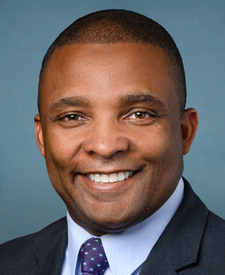
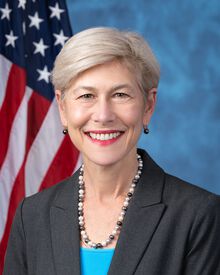
Legislative Progress
In CommitteeMr. Davis of North Carolina (for himself and Ms. Ross) …
Summary
What This Bill Does
This House Resolution expresses Congressional support for community health centers (CHCs) during National Health Center Week (August 3-9, 2025) and calls for extending the Community Health Center Fund before it expires on September 30. The fund provides 70% of federal funding for CHCs. This is a symbolic resolution that doesn't have the force of law but signals Congressional priorities.
Who Benefits and How
Community health centers nationwide benefit from Congressional support for extending their primary funding source, which accounts for 70% of their federal money. The resolution highlights CHCs' role serving nearly 10% of Americans, including 1 in 5 rural patients. Healthcare workers at CHCs (6,522 employees in North Carolina alone) benefit from reduced risk of layoffs or facility closures if funding continues. Underserved patients—including seniors, individuals with disabilities, veterans, and those without insurance—benefit from continued access to affordable primary care, behavioral health, dental, vision, and pharmacy services.
Who Bears the Burden and How
Federal taxpayers would bear the cost if Congress extends the Community Health Center Fund, though the resolution doesn't specify funding levels or offsets. However, the resolution notes that CHCs reduce overall healthcare costs by keeping patients out of emergency rooms and saving Medicaid an estimated $477 million annually in North Carolina alone by reducing total cost of care by 24% per patient.
Key Provisions
- Recognizes the contributions of community health centers during National Health Center Week
- Encourages Americans to visit their local CHC to learn about services
- Expresses support for extending the Community Health Center Fund before September 30 expiration
- Highlights CHC economic impact: $2.3 billion in North Carolina, generating $55.5 million in state/local taxes and $220.8 million in federal taxes
- Notes CHC challenges including restrictions on the 340B Drug Discount Program, which helps centers reduce patient medication costs
Evidence Chain:
This summary is derived from the structured analysis below. See "Detailed Analysis" for per-title beneficiaries/burden bearers with clause-level evidence links.
Primary Purpose
Express support for community health centers during National Health Center Week and advocate for extending the Community Health Center Fund before its September 30 expiration.
Policy Domains
Legislative Strategy
"Create political momentum for extending Community Health Center Fund by highlighting CHCs' contributions and economic impact during National Health Center Week"
Likely Beneficiaries
- Community health centers (approximately 10 CHC organizations in NC's First District, 700+ sites statewide)
- Healthcare workers employed by CHCs (6,522 employees in NC alone)
- Underserved patient populations (nearly 10% of Americans, including 1 in 5 rural patients)
- State and local governments (receiving tax revenues from CHC economic activity)
Likely Burden Bearers
- No direct burden bearers in this resolution (it is symbolic/supportive)
- Potential indirect: Federal taxpayers if Community Health Center Fund is extended without offsetting cuts
Bill Structure & Actor Mappings
Who is "The Secretary" in each section?
Key Definitions
Terms defined in this bill
A subset of healthcare facilities, including health centers and rural health clinics, that provide high-quality, affordable, and comprehensive primary and preventive health care in rural and underinvested communities
A federal funding source that accounts for 70 percent of Federal funding for CHCs, expiring September 30
A program that allows CHCs to generate sustainable revenue while reducing patients' out-of-pocket costs for life-saving medications
We use a combination of our own taxonomy and classification in addition to large language models to assess meaning and potential beneficiaries. High confidence means strong textual evidence. Always verify with the original bill text.
Learn more about our methodology