Recognizing the threat of extreme weather to children's health and well-being, and expressing the sense of Congress that solutions must be rapidly and equitably developed and deployed to address the unique vulnerabilities and needs of children.
Analysis under review: This bill has generated analysis that may be too generic or incomplete. Clause-level evidence remains available below.
Summary
What This Bill Does
This resolution expresses Congress's opinion that climate adaptation programs should be created to protect children from extreme weather events like heat waves, wildfires, floods, and dangerous air quality. It lists specific actions that could help, such as better air filtration in schools, cooling centers for families, and emergency supplies for infants. However, this is a non-binding "sense of Congress" resolution - it creates no actual requirements, provides no funding, and does not mandate any agency to take action.
Who Benefits and How
Children, families, and pregnant people would benefit if the suggested measures were ever enacted through future legislation, as they would gain better protection from climate-related health risks. Healthcare professionals, educators, and childcare providers might eventually receive training on climate vulnerabilities. Communities in urban heat islands could potentially access more green spaces and cooling centers.
Who Bears the Burden and How
No one bears any burden from this resolution itself, since it creates no legal obligations or appropriations. If Congress later passes actual legislation implementing these recommendations, schools and childcare facilities would need to upgrade air filtration and infrastructure systems, and local governments would need to establish cooling centers and emergency alert systems. Taxpayers would ultimately fund these programs if they become law.
Key Provisions
- Expresses support for rapid development of child-focused climate adaptation measures, including physical and mental health protections
- Lists potential solutions such as improved air filtration systems in schools and childcare facilities to address wildfire smoke and pollution
- Suggests expanded access to cooling centers, shaded green spaces, and emergency supplies for infants during extreme weather events
- Recommends training for healthcare workers and educators on children's unique vulnerabilities to heat and climate impacts
- Calls for better public alert systems and disaster preparedness planning that considers children and families
Evidence Chain:
This summary is generated from the full bill text using AI analysis. Expand "Detailed Analysis" below for identified beneficiaries/burden bearers.
At a Glance
What This Bill Does
Expresses the sense of Congress that solutions to protect children from extreme weather must be rapidly and equitably developed, with consideration for children's unique physical and mental health vulnerabilities.
Who Benefits
- Children, babies, adolescents, and their families affected by extreme weather
- Healthcare professionals, educators, and childcare providers who may receive training
- Communities in urban heat islands who may gain access to green space
Who Bears Costs
- None - this is a non-binding sense resolution with no mandates or requirements
- Potential future burden on schools, childcare facilities, and local governments if recommendations are implemented through future legislation
Key Policy Areas
Climate Change & Environment, Public Health, Child Welfare, Education, Disaster Preparedness, Infrastructure
Primary Purpose
Expresses the sense of Congress that solutions to protect children from extreme weather must be rapidly and equitably developed, with consideration for children's unique physical and mental health vulnerabilities.
Policy Domains
Legislative Strategy
"Non-binding resolution expressing Congressional support for child-focused climate adaptation policies without mandating specific actions or appropriating funds"
Identified Gains
- Children, babies, adolescents, and their families affected by extreme weather
- Healthcare professionals, educators, and childcare providers who may receive training
- Communities in urban heat islands who may gain access to green space
Identified Costs
- None - this is a non-binding sense resolution with no mandates or requirements
- Potential future burden on schools, childcare facilities, and local governments if recommendations are implemented through future legislation
Sponsors
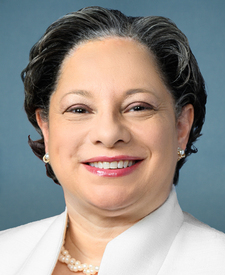
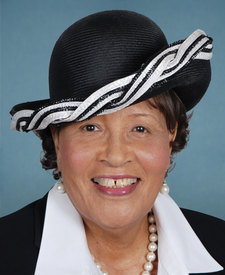
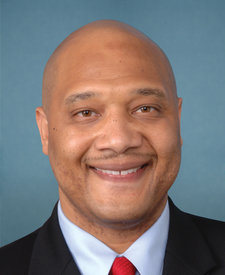
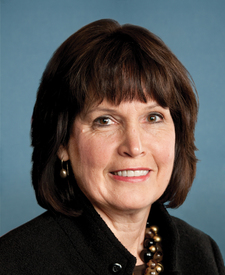

Legislative Progress
In CommitteeMs. McClellan (for herself, Ms. Castor of Florida, Ms. Bonamici, …
Referred to the House Committee on Energy and Commerce.
Submitted in House
Impact analysis is available but no clear stakeholder effects identified. View clause-level analysis →
Bill Structure & Actor Mappings
Who is "The Secretary" in each section?
We use a combination of our own taxonomy and classification in addition to large language models to assess meaning and potential beneficiaries. High confidence means strong textual evidence. Always verify with the original bill text.
Learn more about our methodology