Unhoused Persons Bill of Rights
Summary
What This Bill Does
The Unhoused Persons Bill of Rights is a House resolution. It is framed as a nonbinding sense of the House and a list of actions the House shall strive to take; by itself, it does not directly appropriate money, amend federal benefit statutes, or create enforceable rights. Its policy direction is to recognize civil and human rights for unhoused people and to push Congress and federal agencies toward housing, services, decriminalization, and anti-discrimination measures.
The resolution states that the United States must protect rights to decent, affordable, accessible housing, livable wages, universal health care, public services and spaces, restrooms, water, electricity, emergency shelter, transitional housing, social services, public housing, voucher programs, medical care, education for unhoused children, confidentiality, privacy in personal property, voting, identification documents, internet access, religious practice, soliciting donations, lawful self-employment, protest, group gathering, and community outreach. It also states that reentering people should have access to public housing, vouchers, rental assistance, employment, higher education grants, scholarships, and federal student loans without criminal-record discrimination.
The resolution calls for regulations and enforcement tools to protect unhoused people from law-enforcement surveillance, mistreatment, harassment, destruction of personal property, vehicle impoundment, unjustified detention, searches, ticketing, and arrests. It also calls for protections from discrimination, harassment, mistreatment, assault, detention, banishment, and destruction of property by private businesses, property owners, business improvement districts, and housed residents. It supports legal protections for third parties distributing food, beverages, clothing, or services to unhoused people, and it supports damages, attorney fees, costs, and evidentiary leniency in civil actions alleging rights violations.
The funding section states that the House shall strive to provide or seek very large funding levels, including at least $168 billion from the defense budget to end and prevent homelessness; $148.4 billion every five years for the Public Housing Capital Fund; full funding for the Public Housing Operating Fund; $42.4 billion annually for the National Housing Trust Fund; $3.18 billion annually for a permanent HUD Emergency Rental Assistance Program; sanitation infrastructure funding for state, Tribal, city, county, and local governments; and robust funding for trash, recycling, sharps disposal, and garbage removal at encampments. It also calls for the highest possible funding for HUD, VAWA, SAMHSA, HRSA, Department of Education, and Indian Housing Block Grant programs serving unhoused people.
The resolution also states that the House should fund universal school meals, expand SNAP, TANF, and WIC eligibility and purchasing rules, fund fair-housing and civil-rights enforcement, permanently authorize the United States Interagency Council on Homelessness, build permanent low-income housing, fully fund operating subsidies, repeal the Faircloth Amendment, provide universal housing choice vouchers, reauthorize Runaway and Homeless Youth and Trafficking Prevention Act programs at at least $318 million, expand Fair Housing Act protections, and require HUD to develop policies for ending homelessness by 2029. It calls for HUD, HHS, HRSA, CDC, SSA, DOT, the National Park Service, and other agencies to work on public shelters, medical respite, population measurement, HMIS gaps analyses, death tracking, mailing addresses, removal of hostile architecture, Social Security hardship exemptions, voter registration, housing first strategies, mixed-status family access, and public health emergency guidance.
Finally, the resolution calls for federal grant programs to measure direct community impact and hold grant awardees accountable. It encourages law-enforcement agencies to compile annual statistics on violence against unhoused people, citations, arrests, camp cleanups, vagrancy violations, public sleeping, vehicle citations, street sweeps, and panhandling citations, and it calls for DOJ to compile those data and report annually to Congress. It also says the House shall strive to require DOJ, HUD, and HHS to coordinate with community advocates, policymakers, and unhoused people to develop guidelines, policies, and procedures for decriminalizing unhoused people, providing resources and direct services, and reporting to Congress within six months of relevant legislation.
Who Benefits and How
Unhoused individuals benefit from the resolution's stated recognition of rights to housing, public spaces, sanitation, health care, education, privacy, voting access, religious practice, self-employment, protest, and protection from criminalization. People leaving the criminal justice system benefit from the stated goal of access to housing, vouchers, rental assistance, employment, education grants, scholarships, and federal student loans without criminal-record discrimination. Third-party aid providers benefit from proposed blanket legal protections when distributing food, beverages, clothing, or services. Public housing residents, extremely low-income households, domestic-violence survivors, veterans, runaway and homeless youth, Tribal communities, mixed-status immigrant families, K-12 students, SNAP recipients, TANF recipients, and WIC recipients benefit from the resolution's funding and eligibility goals.
Who Bears the Burden and How
Because the resolution is nonbinding, it does not by itself require agencies or local governments to act. If its stated goals were enacted through binding legislation or appropriations, federal taxpayers would pay for the large housing, services, food, sanitation, and enforcement funding levels. HUD would have to develop regulations, enforce housing-access rules, improve HMIS, count unhoused people more accurately, report to Congress, and coordinate with advocates and other agencies. DOJ would have to compile law-enforcement data and work on decriminalization guidelines. HHS, HRSA, CDC, SSA, DOT, and the National Park Service would have to implement public-health, medical respite, documentation, hostile-architecture, and service-access actions. Law-enforcement agencies would have to report statistics on criminalization and violence. Private businesses, property owners, business improvement districts, and housed residents would face restrictions if anti-discrimination and anti-harassment protections were enacted.
Key Provisions
- Provides a nonbinding House statement supporting civil and human rights for unhoused people across housing, public spaces, sanitation, health care, voting, education, records, privacy, religious practice, self-employment, protest, and community outreach.
- Provides a nonbinding House statement supporting protections against law-enforcement harassment, property destruction, vehicle impoundment, unjustified detention, searches, ticketing, arrests, and private-party discrimination or harassment.
- Provides a nonbinding House goal of legal protections for third parties distributing food, beverages, clothing, or services to unhoused people.
- Provides aspirational funding targets for public housing, the National Housing Trust Fund, Emergency Rental Assistance, sanitation infrastructure, homeless services, health services, education services, food assistance, youth homelessness programs, and civil-rights enforcement.
- Provides policy goals to repeal the Faircloth Amendment, create universal housing choice vouchers, expand Fair Housing Act protections, improve HUD homelessness measurement and HMIS gaps analyses, track deaths related to homelessness, restrict hostile architecture, and support housing first strategies.
- Requires, as an aspirational goal for future legislation, DOJ, HUD, and HHS coordination with community advocates, policymakers, and unhoused people on decriminalization, services, and a six-month report to Congress.
Evidence Chain:
This summary is generated from the full bill text using AI analysis. Expand "Detailed Analysis" below for identified beneficiaries/burden bearers with clause-level evidence links.
At a Glance
What This Bill Does
The resolution expresses the House's nonbinding position that the United States should protect civil and human rights of unhoused people, pursue large housing, sanitation, health, food, and civil-rights funding goals, expand access to public benefits and housing programs, reduce criminalization of homelessness, and seek reports from DOJ, HUD, and HHS on decriminalization and direct services.
Key Policy Areas
Housing, Civil Rights, Public Health, Criminal Justice, Nutrition Assistance, Federal Budget
Primary Purpose
The resolution expresses the House's nonbinding position that the United States should protect civil and human rights of unhoused people, pursue large housing, sanitation, health, food, and civil-rights funding goals, expand access to public benefits and housing programs, reduce criminalization of homelessness, and seek reports from DOJ, HUD, and HHS on decriminalization and direct services.
Policy Domains
House sense on rights and anti-criminalization protections
Identified Gains
- Unhoused individuals
- People reentering from the criminal justice system
- Unhoused children
- Third-party aid providers
Identified Costs
- Law enforcement agencies
- Private businesses
- Property owners
- Business improvement districts
Aspirational housing, health, food, sanitation, and civil-rights funding goals
Identified Gains
- Unhoused individuals
- Public housing residents
- Extremely low-income households
- Tribal communities
- Runaway and homeless youth
- SNAP recipients
Identified Costs
- Federal taxpayers
- Department of Housing and Urban Development
- Department of Health and Human Services
- Law enforcement agencies
Aspirational DOJ, HUD, and HHS reporting on decriminalization and direct services
Identified Gains
- Unhoused communities
- Community advocates
- Federal policymakers
Identified Costs
- Department of Justice
- Department of Housing and Urban Development
- Department of Health and Human Services
Sponsors
Legislative Progress
In CommitteeReferred to the Committee on Financial Services, and in addition …
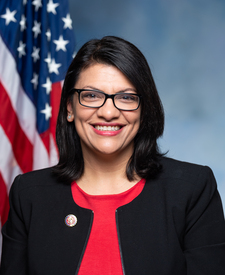
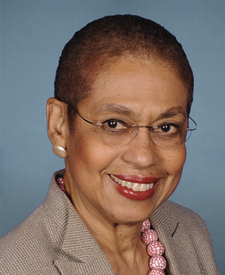
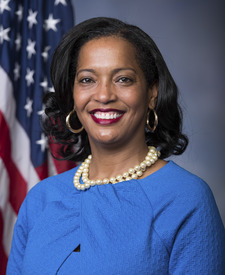
Ms. Tlaib (for herself, Ms. Norton, Ms. Simon, Mr. Torres …
Submitted in House
Stakeholder Effects
cui bono?How this legislation distributes effects. Mention counts reflect frequency, not effect magnitude.
Department of Housing and Urban Development, Emergency Rental Assistance Program, National Housing Trust Fund
Positive-direction: Emergency Rental Assistance Program, National Housing Trust Fund, Public Housing Capital Fund, Unhoused communities, Unhoused individuals
Negative-direction: Department of Housing and Urban Development, Property owners restricting unhoused people
Department of Justice, Law enforcement agencies, People reentering from the criminal justice system
Positive-direction: People reentering from the criminal justice system
Negative-direction: Department of Justice, Law enforcement agencies
Community advocates for unhoused people, Third-party aid providers for unhoused people
Department of Health and Human Services
Local governments providing sanitation services
Bill Structure & Actor Mappings
Who is "The Secretary" in each section?
- "aid_providers"
- → Third-party aid providers
- "law_enforcement"
- → Law enforcement agencies
- "property_owners"
- → Private businesses and property owners
- "unhoused_people"
- → Unhoused individuals
- "hhs"
- → Department of Health and Human Services
- "hud"
- → Department of Housing and Urban Development
- "unhoused_people"
- → Unhoused individuals
- "local_governments"
- → State, Tribal, city, county, and local governments
- "doj"
- → Department of Justice
- "hhs"
- → Department of Health and Human Services
- "hud"
- → Department of Housing and Urban Development
- "advocates"
- → Community advocates
- "unhoused_people"
- → Unhoused individuals
Key Definitions
Terms defined in this bill
The resolution's nonbinding statement of rights and policy goals for protecting unhoused people and reducing homelessness.
We use a combination of our own taxonomy and classification in addition to large language models to assess meaning and potential beneficiaries. High confidence means strong textual evidence. Always verify with the original bill text.
Learn more about our methodology