Expressing the sense of the House of Representatives that the United States must act urgently to end the political and economic dominance of billionaire oligarchs, halt the corporate subsidies and tax advantages that fortify their power, and reinvest in the needs of the American people to defend democracy from authoritarianism.
Analysis under review: This bill has generated analysis that may be too generic or incomplete. Clause-level evidence remains available below.
Summary
What This Bill Does
The bill creates resolution expressing sense that US must address billionaire oligarch dominance, halt corporate subsidies, and reinvest in the people. The main policy areas are Labor, Technology, Energy, and Finance.
Who Benefits and How
Working Americans and labor unions could gain revenue opportunities and General public needing healthcare, housing, education could see lower costs.
Who Bears the Burden and How
Billionaires and ultrarich individuals could face higher costs, Oil and gas industry could face higher costs, and Large corporations receiving government subsidies could lose revenue opportunities.
Key Provisions
- Creates resolution expressing sense that US must address billionaire oligarch dominance, halt corporate subsidies, and reinvest in the people.
Evidence Chain:
This summary is generated from the full bill text using AI analysis. Expand "Detailed Analysis" below for identified beneficiaries/burden bearers with clause-level evidence links.
At a Glance
What This Bill Does
The bill creates resolution expressing sense that US must address billionaire oligarch dominance, halt corporate subsidies, and reinvest in the people.
Key Policy Areas
Labor, Technology, Energy, Finance
Primary Purpose
The bill creates resolution expressing sense that US must address billionaire oligarch dominance, halt corporate subsidies, and reinvest in the people.
Policy Domains
Whole bill
Identified Gains
- Working Americans and labor unions
- General public needing healthcare, housing, education
Identified Costs
- Billionaires and ultrarich individuals
- Oil and gas industry
- Large corporations receiving government subsidies
- Big Tech companies
- Supreme Court
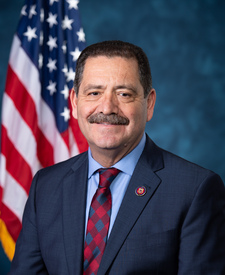
Sponsors




Legislative Progress
In CommitteeReferred to the Subcommittee on Nutrition and Foreign Agriculture.
Ms. Tlaib (for herself, Ms. Jayapal, Mrs. Ramirez, and Ms. …
Referred to the Committee on the Judiciary, and in addition …
Submitted in House
Stakeholder Effects
cui bono?How this legislation distributes effects. Mention counts reflect frequency, not effect magnitude.
Large corporations receiving government subsidies
General public needing healthcare, housing, education
Bill Structure & Actor Mappings
Who is "The Secretary" in each section?
- "federal_implementing_agencies"
- → Federal agencies assigned duties by the bill
We use a combination of our own taxonomy and classification in addition to large language models to assess meaning and potential beneficiaries. High confidence means strong textual evidence. Always verify with the original bill text.
Learn more about our methodology