To subject certain private funds to joint and several liability with respect to the liabilities of firms acquired and controlled by those funds, and for other purposes.
Analysis under review: This bill has generated analysis that may be too generic or incomplete. Clause-level evidence remains available below.
Summary
What This Bill Does
The Stop Wall Street Looting Act comprehensively regulates private equity funds to curb practices that harm workers and communities. It makes private equity funds jointly liable for the debts and penalties of companies they control, prevents asset-stripping through dividends and leveraged debt, and strengthens bankruptcy protections for workers. The bill also closes tax loopholes that benefit fund managers.
Who Benefits and How
Workers at private equity-owned companies benefit from stronger job protections, including priority for unpaid wages in bankruptcy (up to $20,000), restrictions on permanent replacement of striking workers, and requirements that asset sales prioritize job preservation. Creditors and pension funds gain greater protection through joint liability provisions and extended fraudulent transfer windows (15 years). Retail consumers benefit from new gift card protections in bankruptcy.
Who Bears the Burden and How
Private equity fund managers face dramatically increased liability exposure, being personally liable for debts of companies they control. They lose favorable tax treatment for carried interest (now taxed as ordinary income instead of capital gains), face restrictions on dividends for 4 years post-acquisition, and must meet extensive new disclosure requirements. Real estate investment trusts (REITs) in healthcare lose special tax benefits and face exclusion from federal healthcare programs if they acquire healthcare facility assets.
Key Provisions
- Joint and several liability for private funds and their managers for all debts of controlled companies
- 4-year moratorium on dividends after acquisitions, plus 10% cap on distributions thereafter
- Carried interest taxed as ordinary income rather than capital gains
- Workers get priority for $20,000 in wages and severance in bankruptcy
- 15-year fraudulent transfer lookback period for private equity transactions
Evidence Chain:
This summary is generated from the full bill text using AI analysis. Expand "Detailed Analysis" below for identified beneficiaries/burden bearers.
At a Glance
What This Bill Does
Regulates private equity funds by imposing joint liability on controlling funds, restricting asset-stripping practices, strengthening worker protections in bankruptcy, closing tax loopholes for carried interest, and requiring transparency from private investment funds.
Key Policy Areas
Financial Regulation, Labor, Bankruptcy, Taxation, Corporate Governance
Primary Purpose
Regulates private equity funds by imposing joint liability on controlling funds, restricting asset-stripping practices, strengthening worker protections in bankruptcy, closing tax loopholes for carried interest, and requiring transparency from private investment funds.
Policy Domains
Title I - Accountability for Private Funds
Identified Gains
Contextual inference, no direct clause citation- Workers at PE-owned companies
- Creditors of PE-owned companies
- Pension funds
Contextual inference, no direct clause citation
Identified Costs
Contextual inference, no direct clause citation- Private equity fund managers
- Private equity funds
- General partners
Contextual inference, no direct clause citation
Title V - Transparency Requirements
Identified Gains
Contextual inference, no direct clause citation- Pension fund investors
- Limited partners
- SEC
- Public transparency
Contextual inference, no direct clause citation
Identified Costs
Contextual inference, no direct clause citation- Private equity funds
- Investment advisers
- General partners
Contextual inference, no direct clause citation
Title II - Reforms for Target Firms
Identified Gains
Contextual inference, no direct clause citation- Workers
- Labor unions
- Federal government (tax revenue)
- Target company employees
Contextual inference, no direct clause citation
Identified Costs
Contextual inference, no direct clause citation- Private equity funds
- Private fund managers
- Healthcare REITs
- Employers
Contextual inference, no direct clause citation
Title IV - Tax Reforms
Identified Gains
Contextual inference, no direct clause citation- Federal government (tax revenue)
- Taxpayers
Contextual inference, no direct clause citation
Identified Costs
Contextual inference, no direct clause citation- Private equity fund managers
- Hedge fund managers
- Investment managers
Contextual inference, no direct clause citation
Title VI - Collateralized Loan Obligations
Identified Gains
Contextual inference, no direct clause citation- CDO investors
- Financial system stability
Contextual inference, no direct clause citation
Identified Costs
Contextual inference, no direct clause citation- CDO managers
- Securitizers
Contextual inference, no direct clause citation
Title III - Bankruptcy Reforms
Identified Gains
Contextual inference, no direct clause citation- Workers in bankruptcy proceedings
- Employees owed wages
- Retail gift card holders
- Commercial tenants
Contextual inference, no direct clause citation
Identified Costs
Contextual inference, no direct clause citation- Corporate executives
- Senior managers
- Bankruptcy consultants
- Secured creditors
Contextual inference, no direct clause citation
Title VII - Miscellaneous
Identified Gains
Contextual inference, no direct clause citation- Regulatory enforcement
Contextual inference, no direct clause citation
Identified Costs
Contextual inference, no direct clause citation- Entities attempting to evade the Act
Contextual inference, no direct clause citation
Sponsors




Legislative Progress
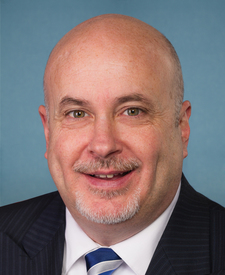
IntroducedMr. Pocan (for himself, Ms. Jayapal, Mr. Grijalva, Mr. Larsen …
Stakeholder Effects
cui bono?How this legislation distributes effects. Mention counts reflect frequency, not effect magnitude.
Acquirers of bankruptcy assets, Bankruptcy estate creditors, CDO investors
Positive-direction: Bankruptcy estate creditors, CDO investors, Creditors of PE-controlled companies, Institutional investors, Potential private fund investors, Target company creditors
Negative-direction: Acquirers of bankruptcy assets, Collateralized debt obligation managers, General partners of private funds, Hedge fund managers, Investment advisers, Investment advisers filing Form PF, Private credit and direct lending funds, Private equity and hedge fund managers, Private equity and hedge funds, Private equity firms acquiring distressed assets, Private equity fund investment advisers, Private equity fund managers, Private equity funds, Private equity funds using leverage, Private fund managers serving pension plans, Private funds receiving government assistance, Private investment funds, Private investment funds receiving government funds, Secured creditors, Secured creditors (banks, lenders), Securitizers, Unsecured creditors (other), Venture capital fund managers
Employees owed wages in bankruptcy, Non-executive employees owed severance, Non-management workers at bankrupt companies
Federal and state government agencies, Federal government, Federal government (tax revenue)
Employee welfare benefit plans, Pension fund beneficiaries, Pension funds (as creditors)
Healthcare REITs, Healthcare REITs with taxable subsidiaries, REIT shareholders
Corporate executives and senior managers in bankruptcy, Corporate executives receiving retention bonuses, Employers in bankruptcy with labor violations
Consumers holding unredeemed gift cards, General public (transparency)
Bill Structure & Actor Mappings
Who is "The Secretary" in each section?
- "the_secretary"
- → Secretary of Labor
- "the_commission"
- → Securities and Exchange Commission
- "the_secretary"
- → Secretary of the Treasury
- "the_commission"
- → Securities and Exchange Commission
Note: The Secretary refers to Secretary of Labor in Title II (Section 201) but Secretary of the Treasury in Title IV (tax provisions)
Key Definitions
Terms defined in this bill
A person owning/controlling 5% or more voting securities, or whose business is operated under lease/agreement by another entity
A corporation engaged in interstate commerce with respect to which a private fund is a control person
Interest in a controlling private fund held by person with management or advisory role
Change in legal right to vote more than 5% of voting securities
Cash/share dividend, repurchase, redemption, buyback, or interest/fee payment on stock
A private fund that is a control person with respect to a target firm
We use a combination of our own taxonomy and classification in addition to large language models to assess meaning and potential beneficiaries. High confidence means strong textual evidence. Always verify with the original bill text.
Learn more about our methodology