Permanent Trump Secure Border Act
Summary
What This Bill Does
The Permanent Trump Secure Border Act makes broad permanent changes to asylum and border processing. An applicant who transited another country generally becomes ineligible unless that person sought and was finally denied protection there, was prevented from applying by severe trafficking, or traveled only through countries outside major refugee and torture treaties. Asylum applications generally would be limited to people arriving at ports of entry. Credible-fear screening rises from a significant possibility of later eligibility to a finding that the applicant more likely than not could qualify and more likely than not is telling the truth.
The bill greatly expands mandatory asylum bars. It covers every felony and specified misdemeanors involving identification fraud, unlawful public benefits, controlled substances, smuggling, reentry, gang activity, serious or repeated impaired driving, stalking, child abuse, and domestic violence; it also addresses terrorism, serious crimes, firm resettlement, and possible internal relocation. A domestic-violence-victim exception and a narrow document-use exception remain. Adjudicators may consider underlying conduct, Interpol notices, and reliable information beyond the conviction record. Some vacated or modified convictions are disregarded when entered for rehabilitation or immigration relief, and a terrorism determination is insulated from judicial review.
New statutory definitions narrow particular social group, political opinion, and persecution. General crime, gang recruitment, wealth targeting, private disputes without government involvement, generalized violence, intermittent harassment, and nonsevere economic harm ordinarily do not qualify. Favorable discretion is barred for listed immigration, tax, application, and attendance problems absent extraordinary national interests or clear-and-convincing proof of exceptional and extremely unusual hardship. Applicants must define a social group on the record, with limited review or reopening. Cultural stereotypes are inadmissible except as evidence of a persecutor's views.
Asylum work permits remain discretionary, cannot begin before 180 days, last six months, terminate under the referenced 2025 law, and generally cannot be renewed after that termination unless a federal appeals court remands the case. Applicants subject to an asylum bar or who entered away from a lawful port cannot receive this authorization. A written frivolous-application warning becomes statutory notice; knowingly fabricated or delay-, work-permit-, or cancellation-driven filings can cause permanent loss of immigration benefits, while withholding of removal and Convention Against Torture protection remain available. Applicants from Cuba, Nicaragua, and Venezuela in removal proceedings receive expedited procedures if they apply after enactment.
At inspection, covered arriving people generally cannot be released except under the rewritten parole authority; when DHS cannot detain or remove them, it must return land arrivals to contiguous foreign territory pending proceedings. DHS may suspend the introduction of specified inadmissible people at land or maritime borders when it finds that necessary for operational control.
The unaccompanied-child rules extend rapid repatriation screening beyond contiguous-country nationals, require a hearing within 14 days for children who do not qualify for immediate return, and change HHS transfer timing. Before placement, HHS must send DHS names, Social Security numbers, birth dates, addresses, known status, and contacts for the sponsor and adult household members. DHS must initiate removal proceedings within 30 days against unlawfully present sponsors not already in proceedings. Counsel access is expressly at no government expense. Trafficking and credible-fear screening and HHS home studies for children under 12 remain protected. Special immigrant juvenile status is denied if reunification with any parent or legal guardian remains viable.
DHS may detain accompanied children and families in residential centers through removal, with no presumption against child detention. Parents charged only with misdemeanor illegal entry who arrived with a minor child must be detained with the child. These provisions apply retroactively to actions before enactment, state licensing requirements for covered facilities are preempted, and Congress declares the rules intended to satisfy the Flores settlement.
Civil illegal-entry fines rise from $50-$250 to $500-$1,000. A nonimmigrant who violates status or conditions for an aggregate ten days commits a new offense punishable by up to six months for a first violation and two years for a later violation, plus $500-$1,000 civil penalties doubled for repeat violations.
Parole is limited to case-specific, non-class determinations for enumerated urgent medical, transplant, death, funeral, adoption, adjustment-return, law-enforcement, active-duty-family, Cuban migration, or same-day hearing circumstances. Most parolees cannot work or use parole to gain adjustment or another benefit; ordinary parole lasts no more than one year and generally may be extended once. DHS must publish annual parole counts, types, durations, and statuses. Most parole changes start after 30 days, while earlier-filed applications and specified pre-2023 grants receive transition protection.
Who Benefits and How
DHS, immigration prosecutors, and adjudicators gain broader statutory authority to deny claims, detain families, return arrivals, prosecute overstays, and constrain parole. States and communities seeking reduced unlawful entry may benefit if deterrence and faster removal follow. Victims of serious crimes may benefit from broader asylum bars for offenders. Applicants from sanctioned Cuba, Nicaragua, and Venezuela gain expedited procedures. Severe-trafficking victims, qualifying domestic-violence victims, active-duty military families, specified Cuban beneficiaries, medical-emergency cases, organ donors, and people seeking withholding or torture protection retain targeted exceptions.
Who Bears the Burden and How
Asylum seekers, especially people transiting third countries, arriving away from ports, fleeing gangs or private actors, or unable to document a narrowly defined social group, face higher denial risk. Applicants wait longer for shorter work permits and face permanent consequences for frivolous filings. Unaccompanied children face faster repatriation, and sponsors and household members face identity disclosure and possible removal proceedings. Accompanied children and parents face mandatory detention; states lose licensing authority over covered facilities. Visa overstayers face new criminal exposure and larger fines. Immigration courts, DHS, HHS, State, and detention operators must process faster hearings, additional detention, sponsor screening, annual reports, and expanded enforcement. Employers lose access to asylum and parole workers; legal-service providers face more complex and compressed proceedings.
Key Provisions
- Creates a transit-country asylum bar, port-of-entry requirement, and more-likely-than-not credible-fear standard.
- Expands asylum disqualifications, narrows protected grounds and discretion, and limits judicial review and reopening.
- Delays, shortens, and restricts asylum employment authorization and strengthens frivolous-filing consequences.
- Requires detention or contiguous-country return and authorizes temporary border-entry suspensions for operational control.
- Expands rapid unaccompanied-child repatriation, sponsor data sharing, sponsor removal proceedings, and restrictions on special immigrant juvenile status.
- Authorizes and sometimes mandates family detention, applies it retroactively, and preempts state facility licensing.
- Raises illegal-entry fines and creates criminal and civil penalties for aggregate ten-day visa-status violations.
- Restricts parole to enumerated case-specific purposes, generally bars work and status adjustment, limits duration, and requires annual reporting.
- Preserves narrow trafficking, domestic-violence, military-family, Cuban, medical, withholding, torture, and transition exceptions.
Evidence Chain:
This summary is generated from the full bill text using AI analysis. Expand "Detailed Analysis" below for identified beneficiaries/burden bearers with clause-level evidence links.
At a Glance
What This Bill Does
Permanently tightens asylum, inspection, detention, child-repatriation, visa-overstay, and immigration-parole rules by narrowing eligibility, raising screening burdens, expanding mandatory bars and penalties, and reducing release and class-based parole authority.
Key Policy Areas
Immigration, Asylum, Border Enforcement, Child Migration, Criminal Law
Primary Purpose
Permanently tightens asylum, inspection, detention, child-repatriation, visa-overstay, and immigration-parole rules by narrowing eligibility, raising screening burdens, expanding mandatory bars and penalties, and reducing release and class-based parole authority.
Policy Domains
Immigration parole limits and transition
Identified Gains
- DHS parole oversight officials
- Qualifying active-duty military families
- Qualifying Cuban family applicants
- Applicants with enumerated medical emergencies
- Federal law-enforcement witnesses
- Congressional judiciary committees
Identified Costs
- Applicants relying on categorical parole programs
- Parole recipients seeking employment
- Parole recipients seeking status adjustment
- Employers of parole recipients
- DHS case adjudicators
- Humanitarian immigration organizations
Asylum bars, protected grounds, discretion, work permits, and frivolous claims
Identified Gains
- DHS asylum adjudicators
- Department of Justice immigration prosecutors
- Crime victims concerned about applicant convictions
- Applicants from sanctioned Western Hemisphere countries
- Domestic-violence victims qualifying for the exception
Identified Costs
- Asylum applicants with criminal convictions
- Applicants fleeing gang recruitment
- Applicants claiming private-actor persecution
- Applicants with tax or attendance problems
- Employers hiring asylum applicants
- Immigration appeals lawyers
Asylum access, screening, and safe-third-country rules
Identified Gains
- DHS asylum-processing offices
- Immigration court dockets
- Border enforcement agencies
- Third countries receiving returned applicants
Identified Costs
- Asylum seekers transiting third countries
- Applicants arriving away from ports of entry
- People screened for credible fear
- Immigration legal-service providers
- Severe trafficking victims proving an exception
Illegal-entry and visa-overstay penalties
Identified Gains
- Federal immigration prosecutors
- DHS overstay-enforcement units
- Federal Treasury penalty accounts
Identified Costs
- People convicted of illegal entry
- Nonimmigrant visa overstayers
- Nonimmigrants violating status conditions
- Federal criminal courts
- Immigration defense lawyers
Accompanied-child and family detention
Identified Gains
- Department of Homeland Security
- Family residential center operators
- Federal immigration prosecutors
Identified Costs
- Migrant parents charged with misdemeanor entry
- Accompanied migrant children
- States regulating child-care facilities
- Immigration detention monitors
- Family immigration attorneys
Unaccompanied children, sponsors, and special immigrant juveniles
Identified Gains
- DHS child-repatriation officers
- Foreign governments accepting returned children
- Children receiving a 14-day immigration hearing
- Children protected by trafficking screening
Identified Costs
- Unaccompanied children eligible for rapid return
- Prospective child sponsors
- Adult sponsor-household residents
- HHS child-placement staff
- Special immigrant juvenile applicants
- Pro bono immigration counsel
Inspection, detention, contiguous-territory return, and border suspension
Identified Gains
- Customs and Border Protection
- Immigration and Customs Enforcement
- Federal border-control policymakers
- Detention facility operators
Identified Costs
- People applying for admission
- Asylum seekers awaiting proceedings
- Contiguous foreign territories
- Border legal-service organizations
Sponsors
Legislative Progress
ReportedOrdered to be Reported in the Nature of a Substitute …
Committee Consideration and Mark-up Session Held
Referred to the Committee on the Judiciary, and in addition …
Introduced in House
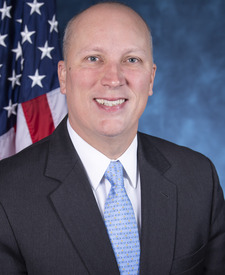
Mr. Roy introduced the following bill; which was referred to …
Stakeholder Effects
cui bono?How this legislation distributes effects. Mention counts reflect frequency, not effect magnitude.
Accompanied migrant children, Applicants alleging private-actor persecution, Applicants fleeing gang recruitment or generalized violence
Positive-direction: Child trafficking victims, Cuban asylum applicants in removal proceedings, Domestic-violence victims qualifying for the statutory exception, Nicaraguan asylum applicants in removal proceedings, Private family detention operators, Private immigration detention operators, Qualifying Cuban family-based applicants, Severe trafficking victims unable to seek transit-country protection, Unaccompanied children fearing return, Unaccompanied children under twelve, Venezuelan asylum applicants in removal proceedings
Negative-direction: Accompanied migrant children, Applicants alleging private-actor persecution, Applicants fleeing gang recruitment or generalized violence, Applicants relying on categorical parole programs, Applicants who lived safely abroad for one year, Applicants with tax or interview-attendance problems, Asylum appellate counsel, Asylum applicants eligible for status in transit countries, Asylum applicants with felony convictions, Asylum applicants with specified misdemeanor convictions, Asylum counsel rebutting resettlement, Asylum screening counsel, Asylum seekers returned to contiguous territory, Asylum seekers transiting third countries, Children of firmly resettled parents, Children unable to reunite with only one parent, Family immigration attorneys, Immigration appeals lawyers, Immigration legal-service providers, Juvenile immigration legal-service providers, Migrant parents charged with misdemeanor illegal entry, Nonimmigrant visa overstayers, Nonimmigrants violating status conditions, Parole recipients seeking status adjustment, People applying for admission at the border, People convicted of illegal entry, People screened for credible fear, Pro bono child immigration lawyers, Special immigrant juvenile applicants, Unaccompanied children eligible for rapid return
Congressional judiciary committees, Contiguous foreign governments, Customs and Border Protection
Positive-direction: Congressional judiciary committees, Customs and Border Protection, DHS asylum adjudicators, Department of Homeland Security, Federal immigration enforcement agencies, Immigration court merits dockets, Immigration judges, USCIS special-immigrant adjudicators
Negative-direction: Contiguous foreign governments, Department of Justice immigration adjudicators, Federal criminal courts, HHS child-placement staff, State child-facility licensing agencies
Adult sponsor-household residents, Applicants entering away from lawful ports, Asylum applicants seeking employment authorization
Positive-direction: People protected by criminal and terrorism exclusions, Qualifying active-duty military families
Negative-direction: Adult sponsor-household residents, Applicants entering away from lawful ports, Asylum applicants seeking employment authorization, Employers hiring asylum applicants, Employers of parole recipients, Parole recipients seeking employment, Prospective child sponsors
Bill Structure & Actor Mappings
Who is "The Secretary" in each section?
- "applicants"
- → People seeking asylum
- "asylum_officers"
- → DHS asylum officers
- "immigration_judges"
- → Department of Justice immigration judges
- "transit_applicants"
- → Applicants who traveled through third countries
- "trafficking_victims"
- → Severe trafficking victims
- "dhs"
- → Department of Homeland Security
- "doj"
- → Department of Justice immigration adjudicators
- "employers"
- → Employers hiring asylum applicants
- "applicants"
- → Asylum applicants
- "gang_violence_claimants"
- → People claiming gang or private-actor persecution
- "criminal_conviction_applicants"
- → Applicants with criminal convictions
- "dhs"
- → Department of Homeland Security
- "arriving_people"
- → People applying for admission
- "border_officers"
- → Customs and Border Protection officers
- "contiguous_countries"
- → Foreign territories contiguous to the United States
- "dhs"
- → Department of Homeland Security
- "hhs"
- → Department of Health and Human Services
- "children"
- → Unaccompanied alien children
- "sponsors"
- → Prospective child sponsors
- "sij_applicants"
- → Special immigrant juvenile applicants
- "household_adults"
- → Adults residing with prospective sponsors
- "dhs"
- → Department of Homeland Security
- "states"
- → States licensing child and family facilities
- "families"
- → Migrant parents and accompanied children
- "detention_operators"
- → Family residential center operators
- "courts"
- → Federal criminal courts
- "prosecutors"
- → Federal immigration prosecutors
- "nonimmigrants"
- → Nonimmigrants violating status for ten aggregate days
- "entry_offenders"
- → People convicted of illegal entry
- "dhs"
- → Department of Homeland Security
- "employers"
- → Employers of parole recipients
- "medical_cases"
- → Applicants with enumerated humanitarian medical needs
- "cuban_applicants"
- → Qualifying Cuban family-based applicants
- "military_families"
- → Qualifying spouses and children of active-duty members
- "parole_applicants"
- → People applying for immigration parole
Note: {'scope_ids': ['asylum_gateway', 'asylum_merits'], 'description': 'The bill limits asylum access and eligibility but preserves targeted trafficking and domestic-violence exceptions plus withholding and Convention Against Torture protection.'}
Key Definitions
Terms defined in this bill
A felony includes a jurisdiction-labeled felony or crime punishable by more than one year; a misdemeanor includes a labeled misdemeanor or crime not punishable by more than one year.
A socially distinct and particular group whose members share a common immutable characteristic.
A DHS facility used to detain migrant family units, including accompanied children.
Individual consideration of facts, not class eligibility or merely processing nominally separate applications.
Severe harm constituting an exigent threat by a government or actors it cannot or will not control, excluding listed generalized, intermittent, or nonsevere harms.
We use a combination of our own taxonomy and classification in addition to large language models to assess meaning and potential beneficiaries. High confidence means strong textual evidence. Always verify with the original bill text.
Learn more about our methodology