Fair Treatment of Religious Organizations Act of 2026
Summary
What This Bill Does
The bill adds a rule to section 501 of the Internal Revenue Code. Religious beliefs or practices concerning marriage, sexuality or gender identity would not count as inconsistent with law or public policy when determining tax exemption under that section. A belief remains religious for this purpose even if it is not compelled by, or central to, a system of religious belief. The rule applies to taxable years beginning after December 31, 2025; it is not a general amendment to every civil-rights statute.
Who Benefits and How
Religious nonprofit organizations seeking or maintaining section 501 status gain protection against this particular basis for denial or revocation. Their administrators and donors may gain greater predictability about exemption, although the bill does not itself resolve any organization's compliance with the other tax requirements. Religious school administrators and religious charity managers could use the rule where their beliefs or practices fall within its terms.
Who Bears the Burden and How
Internal Revenue Service officials would have reduced discretion to rely on those beliefs or practices in public-policy analysis and must apply the rule to the specified tax years. People receiving services from affected organizations could face fewer tax-exemption-based protections against exclusion. That is a possible downstream effect, not a direct authorization to violate other applicable laws or a prediction that every affected organization will change its practices.
Key Provisions
- Adds a protection for specified religious beliefs and practices in section 501 tax-exemption determinations.
- Limits the use of inconsistency with law or public policy as a basis for rejecting those beliefs or practices.
- Provides that a belief need not be compelled by or central to a religion to qualify.
- Applies the rule to taxable years beginning after December 31, 2025.
Evidence Chain:
This summary is generated from the full bill text using AI analysis. Expand "Detailed Analysis" below for identified beneficiaries/burden bearers with clause-level evidence links.
At a Glance
What This Bill Does
Protect federal income-tax exemption from adverse public-policy determinations based on specified religious beliefs about marriage, sexuality or gender identity.
Key Policy Areas
Taxation, Civil Rights
Primary Purpose
Protect federal income-tax exemption from adverse public-policy determinations based on specified religious beliefs about marriage, sexuality or gender identity.
Policy Domains
Fair Treatment of Religious Organizations Act of 2026
Identified Gains
- Religious nonprofit organizations
- Religious school administrators
Identified Costs
- Internal Revenue Service
- Service recipients potentially excluded by affected organizations
Sponsors


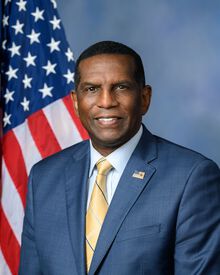

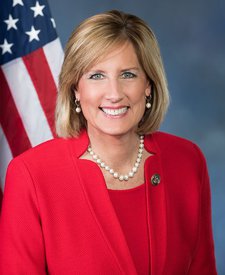
Legislative Progress
ReportedPlaced on the Union Calendar, Calendar No. 680.
Reported (Amended) by the Committee on Ways and Means. H. …
Additional sponsors: Mr. Mann, Mr. Steube, Mr. Gooden, and Mr. …
Reported with an amendment, committed to the Committee of the …
Ordered to be Reported in the Nature of a Substitute …
Committee Consideration and Mark-up Session Held
Referred to the House Committee on Ways and Means.
Introduced in House
Mr. Moore of Utah (for himself, Mr. Cline, Ms. Tenney, …
Stakeholder Effects
cui bono?How this legislation distributes effects. Mention counts reflect frequency, not effect magnitude.
Bill Structure & Actor Mappings
Who is "The Secretary" in each section?
- "irs"
- → Internal Revenue Service
- "schools"
- → Religious school administrators
- "recipients"
- → Service recipients
- "organizations"
- → Religious nonprofit organizations
We use a combination of our own taxonomy and classification in addition to large language models to assess meaning and potential beneficiaries. High confidence means strong textual evidence. Always verify with the original bill text.
Learn more about our methodology