To make certain antidiscrimination laws applicable to the judicial branch of the Federal Government, and for other purposes.
Analysis under review: This bill has generated analysis that may be too generic or incomplete. Clause-level evidence remains available below.
Summary
What This Bill Does
This bill, To make certain antidiscrimination laws applicable to the judicial branch of the Federal Government, and for other purposes., changes federal law or congressional policy affecting federal agencies and legislative administrators. The main policy domain is Government Operations, Civil Rights, Finance.
Who Benefits and How
federal agencies and legislative administrators may benefit from new authority, funding, eligibility, regulatory clarity, or reduced risk created by the bill.
Who Bears the Burden and How
federal implementing agencies may take on implementation duties, reporting obligations, compliance costs, or oversight responsibilities.
Key Provisions
- Section H7ECC3516863A440CA0C83919F372D67E: 1. Short title; table of contents This Act may be cited as the Judiciary Accountability Act of 2024. The table of contents for this Act is as follows:
- Section HDB54B7E2BA4D47D6B62B76A5EF2E8495: 101. Definitions Except as otherwise specifically provided in this Act, as used in this Act: The term Board means the Board of Directors of the Office of...
- Section H5C331BCEEE7C4573B2D25EB32880AA97: 102. Application of laws The following laws shall apply, as prescribed by this Act and notwithstanding any other provision of Federal law, to the judicial...
- Section H5C24C41A8E974010975FEEC75E8EE1BB: 201. Rights and protections under title VII of the Civil Rights Act of 1964, the Age Discrimination in Employment Act of 1967, the Rehabilitation Act of 1973,...
- Section HD0E47DA2AD404458AA47A9B384B850B9: 202. Rights and protections relating to veterans’ employment and reemployment It shall be unlawful for an employing unit to— discriminate within the meaning of...
Evidence Chain:
This summary is generated from the full bill text using AI analysis. Expand "Detailed Analysis" below for identified beneficiaries/burden bearers with clause-level evidence links.
At a Glance
What This Bill Does
This bill, To make certain antidiscrimination laws applicable to the judicial branch of the Federal Government, and for other purposes., changes federal law or congressional policy affecting federal agencies and legislative administrators.
Key Policy Areas
Government Operations, Civil Rights, Finance
Primary Purpose
This bill, To make certain antidiscrimination laws applicable to the judicial branch of the Federal Government, and for other purposes., changes federal law or congressional policy affecting federal agencies and legislative administrators.
Policy Domains
Whole bill
Identified Gains
- federal agencies and legislative administrators
Identified Costs
- federal implementing agencies
Sponsors
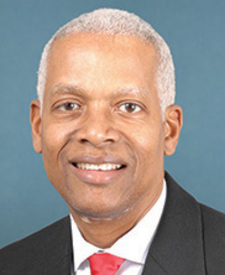
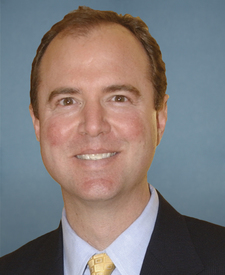

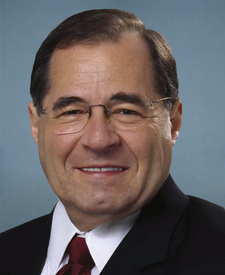

Legislative Progress
IntroducedMr. Johnson of Georgia (for himself, Mr. Nadler, Mrs. Torres …
Impact analysis is available but no clear stakeholder effects identified. View clause-level analysis →
Bill Structure & Actor Mappings
Who is "The Secretary" in each section?
- "the_commission"
- → The commission identified in the operative section
- "secretary_of_labor"
- → Secretary of Labor
Key Definitions
Terms defined in this bill
the Office of Judicial Integrity. The term other abusive conduct— means a pattern of demonstrably egregious and hostile conduct not covered by subtitle A of title II that— unreasonably interferes with a covered employee’s work
We use a combination of our own taxonomy and classification in addition to large language models to assess meaning and potential beneficiaries. High confidence means strong textual evidence. Always verify with the original bill text.
Learn more about our methodology