To amend section 3(b)(4) of the United States Housing Act of 1937 to exclude certain disability benefits from income for the purposes of determining eligibility for the supported housing program under section 8(o)(19), and for other purposes.
Sponsors
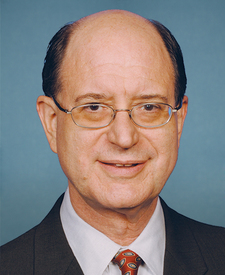

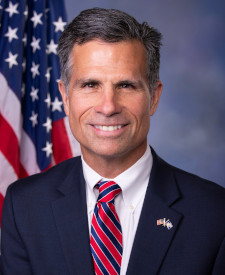

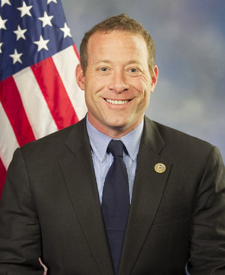
Legislative Progress
Passed HouseReceived; read twice and referred to the Committee on Banking, …
Passed House (inferred from eh version)
Mr. Sherman (for himself, Ms. De La Cruz, Mr. Lieu, …
Summary
What This Bill Does
The Housing Unhoused Disabled Veterans Act (HR 965) changes how income is calculated when veterans apply for HUD-VASH housing assistance. Currently, VA disability payments count as income and can disqualify homeless veterans from housing programs. This bill excludes VA disability compensation from income calculations, making it easier for disabled veterans to qualify for housing support.
Who Benefits and How
Disabled veterans are the primary beneficiaries. Veterans receiving disability benefits under VA Chapter 11 (compensation for service-connected disabilities) or Chapter 15 (pension for wartime veterans) will no longer have those payments counted against them when applying for the HUD-VASH supported housing program (Section 8(o)(19)). This means veterans who were previously "over income" due to their disability payments can now qualify for rental assistance.
Homeless veterans especially benefit, as the bill specifically targets the HUD-VASH program, which provides housing vouchers combined with VA case management and clinical services to homeless veterans.
Who Bears the Burden and How
The federal government will bear additional costs, as more veterans will now qualify for housing assistance. However, no specific budget or appropriation figures are included in the bill.
No private sector or individual burden bearers are created by this legislation; it simply expands eligibility without imposing new requirements or fees on any party.
Key Provisions
- Excludes VA disability benefits from income: Benefits under Chapter 11 (service-connected disability) and Chapter 15 (pension for wartime veterans) are not counted when determining HUD-VASH eligibility
- Protects eligibility for other housing programs: Veterans in HUD-VASH cannot be disqualified from other types of housing assistance due to their VA disability income
- Does not change "adjusted income": The exclusion applies to initial eligibility but not to the adjusted income calculation used to determine rent contribution amounts
- Extends to future programs: Section 3 ensures this exclusion applies to any future housing programs administered by HUD on Department of Veterans Affairs property
Evidence Chain:
This summary is derived from the structured analysis below. See "Detailed Analysis" for per-title beneficiaries/burden bearers with clause-level evidence links.
Primary Purpose
The bill aims to amend the United States Housing Act of 1937, specifically section 3(b)(4), to exclude certain disability benefits from income when determining eligibility for the supported housing program under section 8(o)(19). This exclusion applies to veterans receiving disability benefits under chapters 11 or 15 of title 38.
Policy Domains
Bill Structure & Actor Mappings
Who is "The Secretary" in each section?
- "the_secretary"
- → Secretary of Housing and Urban Development (HUD)
Key Definitions
Terms defined in this bill
The supported housing program under section 8(o)(19) of the United States Housing Act of 1937, which provides rental assistance to eligible households.
The Secretary of Housing and Urban Development (HUD), responsible for administering housing assistance programs.
We use a combination of our own taxonomy and classification in addition to large language models to assess meaning and potential beneficiaries. High confidence means strong textual evidence. Always verify with the original bill text.
Learn more about our methodology