Medicare Access to Rural Anesthesiology Act
Summary
What This Bill Does
The Medicare Access to Rural Anesthesiology Act would create a Medicare Part A reasonable-cost payment pathway for anesthesiologist services furnished in certain low-volume rural hospitals and critical access hospitals. The change would apply to cost-reporting periods beginning at least one year after enactment. It would move covered hospital-based anesthesia services outside ordinary Medicare Part B physician-service billing and include their costs in the hospital payment framework.
An ordinary subsection (d) hospital would have to be physically located in a statutory rural area; a hospital treated as rural only through reclassification would not qualify. Both that hospital and a critical access hospital would have to show that, on enactment, the hospital employed or contracted with an anesthesiologist but no more than one full-time-equivalent anesthesiologist. The hospital would also have to show that no more than 800 inpatient and outpatient procedures required anesthesia in 2026, unless HHS sets a higher threshold.
For years after 2027, a participating hospital would have to establish before each year that its prior-year anesthesia procedure volume remained at or below 800 or the higher HHS threshold. Every anesthesiologist employed by or under contract with the hospital would have to agree not to bill Medicare Part B for professional services furnished at that hospital. The hospital would instead receive Medicare Part A reasonable-cost payment for the covered anesthesia services.
The bill would amend Medicare definitions and cost rules so the covered anesthesiologist services can be treated as hospital services for eligible subsection (d) hospitals and critical access hospitals. HHS would have to revise the regulations implementing the statutory exclusion of certain hospital-paid physician services, but the bill states no separate rulemaking deadline, appropriation, payment cap, or estimate of total federal cost.
Who Benefits and How
Qualifying rural hospitals and critical access hospitals gain a cost-based reimbursement route for maintaining anesthesiology capacity despite low surgical volume. Medicare beneficiaries needing surgery in those communities could gain more stable local access and face less risk that a hospital drops anesthesia-supported procedures. Anesthesiologists could benefit from more stable hospital employment or contracts if the new hospital payment better supports their cost, although the bill does not guarantee compensation.
Who Bears the Burden and How
Participating hospitals must document location, staffing, and procedure volume to HHS and must repeat the volume showing before each year after 2027. Participating anesthesiologists must give up Part B billing for professional services furnished at the hospital and rely on their hospital employment or contract arrangements. CMS must revise payment regulations, verify annual eligibility, and administer reasonable-cost reimbursement. Medicare and federal taxpayers may bear higher payment and auditing costs, although the bill provides no fiscal estimate. Hospitals above the volume or staffing thresholds and hospitals only reclassified as rural remain outside the new pathway.
Key Provisions
- Establishes Medicare Part A reasonable-cost payment for covered anesthesiologist services.
- Limits eligibility to qualifying rural hospitals and critical access hospitals.
- Requires no more than one anesthesiologist FTE at enactment.
- Limits annual eligibility to 800 anesthesia-requiring procedures or a higher HHS threshold.
- Prohibits participating anesthesiologists from billing covered hospital services under Part B.
- Amends Medicare service definitions to place covered anesthesia costs in hospital payment.
- Directs HHS to revise implementing regulations.
- Applies to cost-reporting periods beginning at least one year after enactment.
Evidence Chain:
This summary is generated from the full bill text using AI analysis. Expand "Detailed Analysis" below for identified beneficiaries/burden bearers with clause-level evidence links.
At a Glance
What This Bill Does
Pay qualifying low-volume rural hospitals and critical access hospitals under Medicare Part A on a reasonable-cost basis for services furnished by up to one anesthesiologist FTE, conditioned on annual procedure-volume eligibility and no Part B professional billing.
Key Policy Areas
Medicare, Rural Health, Hospital Payment, Anesthesiology, Health Care Workforce
Primary Purpose
Pay qualifying low-volume rural hospitals and critical access hospitals under Medicare Part A on a reasonable-cost basis for services furnished by up to one anesthesiologist FTE, conditioned on annual procedure-volume eligibility and no Part B professional billing.
Policy Domains
Section 2 - Medicare reasonable-cost payment for rural anesthesiology
Identified Gains
- Qualifying rural hospitals receiving reasonable-cost payment
- Qualifying critical access hospitals receiving reasonable-cost payment
- Medicare beneficiaries needing surgery in rural communities
- Anesthesiologists whose rural hospital positions are retained
Identified Costs
- Participating hospitals documenting annual procedure volume
- Participating anesthesiologists foregoing Medicare Part B billing
- CMS administrators revising and operating payment rules
- Medicare auditors reviewing reasonable costs
- Federal taxpayers financing Medicare hospital payments
Sponsors
Legislative Progress
ReportedOrdered to be Reported in the Nature of a Substitute …
Committee Consideration and Mark-up Session Held
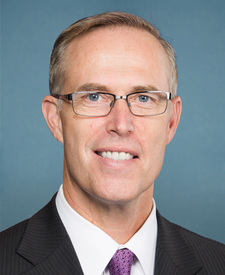
Mr. Moolenaar introduced the following bill; which was referred to …
Referred to the House Committee on Ways and Means.
Introduced in House
Stakeholder Effects
cui bono?How this legislation distributes effects. Mention counts reflect frequency, not effect magnitude.
Medicare beneficiaries needing rural surgical care, Participating hospitals documenting annual eligibility, Qualifying critical access hospitals receiving reasonable-cost payment
Participating anesthesiologists foregoing Part B billing
CMS administrators operating rural anesthesia payment
Federal taxpayers financing Medicare hospital payments
Bill Structure & Actor Mappings
Who is "The Secretary" in each section?
- "cms"
- → Centers for Medicare and Medicaid Services
- "taxpayers"
- → Federal taxpayers financing Medicare
- "beneficiaries"
- → Medicare beneficiaries needing rural surgical care
- "critical_access"
- → Qualifying critical access hospitals
- "rural_hospitals"
- → Qualifying rural subsection (d) hospitals
- "anesthesiologists"
- → Anesthesiologists employed by or contracted with qualifying hospitals
Note: {'scope_ids': ['rural_anesthesiology_cost_payment'], 'description': 'The payment pathway excludes hospitals only reclassified as rural, hospitals exceeding the staffing or procedure-volume limits, and anesthesiologist services for which the physician continues Part B billing.'}
Key Definitions
Terms defined in this bill
No more than 800 inpatient and outpatient procedures requiring anesthesia in the applicable measurement year, or a higher number set by HHS.
A hospital physically located in a statutory rural area, not merely reclassified as rural, with no more than one anesthesiologist FTE at enactment, qualifying low procedure volume, and anesthesiologists who forego Part B billing at the hospital.
We use a combination of our own taxonomy and classification in addition to large language models to assess meaning and potential beneficiaries. High confidence means strong textual evidence. Always verify with the original bill text.
Learn more about our methodology