To amend the Endangered Species Act of 1973 to optimize conservation through resource prioritization, incentivize wildlife conservation on private lands, provide for greater incentives to recover listed species, create greater transparency and accountability in recovering listed species, and limit reasonable and prudent measures.
Analysis under review: This bill has generated analysis that may be too generic or incomplete. Clause-level evidence remains available below.
Summary
What This Bill Does
This bill, To amend the Endangered Species Act of 1973 to optimize conservation through resource prioritization, incentivize wildlife conservation on private lands, provide for greater incentives to recover listed species, create greater transparency and accountability in recovering listed species, and limit reasonable and prudent measures., changes federal law or congressional policy affecting federal agencies and legislative administrators. The main policy domain is Government Operations, Environment, Defense.
Who Benefits and How
federal agencies and legislative administrators may benefit from new authority, funding, eligibility, regulatory clarity, or reduced risk created by the bill.
Who Bears the Burden and How
federal implementing agencies may take on implementation duties, reporting obligations, compliance costs, or oversight responsibilities.
Key Provisions
- Section HCC82D0A4027B43EB8521CA81B478ECDE: 1. Short title; table of contents This Act may be cited as the ESA Amendments Act of 2024. The table of contents for this Act is as follows:
- Section H75A2C06968B84498B5881609C8EA2370: 2. Endangered Species Act of 1973 definitions The final rule titled Endangered and Threatened Wildlife and Plants; Regulations for Listing Species and...
- Section H47F42A167F884E3BA7F34E06B83E7191: 3. Authorization of appropriations Section 15 of the Endangered Species Act of 1973 (16 U.S.C. 1542) is amended— in subsection (a)— by striking subsection (b),...
- Section HB4D988A6A49343B89AB36F93101BB8F9: 4. Rule of construction Nothing in this Act or the amendments made by this Act may be construed to enlarge or diminish the authority, jurisdiction, or...
- Section H9435D11B515A493C9A44AA71DC4A9BC0: 101. Prioritization of listing petitions, reviews, and determinations Section 4 of the Endangered Species Act of 1973 (16 U.S.C. 1533) is amended by adding at...
Evidence Chain:
This summary is generated from the full bill text using AI analysis. Expand "Detailed Analysis" below for identified beneficiaries/burden bearers with clause-level evidence links.
At a Glance
What This Bill Does
This bill, To amend the Endangered Species Act of 1973 to optimize conservation through resource prioritization, incentivize wildlife conservation on private lands, provide for greater incentives to recover listed species, create greater transparency and accountability in recovering listed species, and limit reasonable and prudent measures., changes federal law or congressional policy affecting federal agencies and legislative administrators.
Key Policy Areas
Government Operations, Environment, Defense
Primary Purpose
This bill, To amend the Endangered Species Act of 1973 to optimize conservation through resource prioritization, incentivize wildlife conservation on private lands, provide for greater incentives to recover listed species, create greater transparency and accountability in recovering listed species, and limit reasonable and prudent measures., changes federal law or congressional policy affecting federal agencies and legislative administrators.
Policy Domains
Whole bill
Identified Gains
- federal agencies and legislative administrators
Identified Costs
- federal implementing agencies
Sponsors
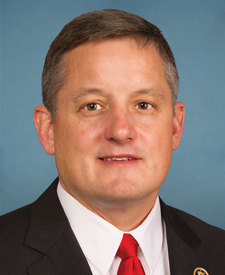

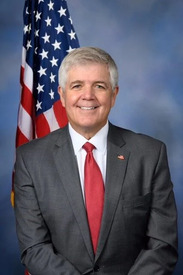


Legislative Progress
ReportedAdditional sponsors: Mr. Duarte, Mrs. Radewagen, Mr. Carl, and Mr. …
Reported with an amendment, committed to the Committee of the …
Mr. Westerman (for himself, Mr. Newhouse, Mr. Bentz, Ms. Hageman, …
Stakeholder Effects
cui bono?How this legislation distributes effects. Mention counts reflect frequency, not effect magnitude.
Congressional oversight committees, Department of the Interior, Federal agencies defending ESA decisions
Positive-direction: Congressional oversight committees, Federal agencies defending ESA decisions, Fish and Wildlife Service delisting decisions
Negative-direction: Department of the Interior, Fish and Wildlife Service
Environmental groups seeking critical habitat protections, Environmental litigation groups, Environmental litigation organizations
Positive-direction: Property rights advocates, Taxpayer advocacy groups
Negative-direction: Environmental groups seeking critical habitat protections, Environmental litigation groups, Environmental litigation organizations
Industries awaiting listing decisions, Industries benefiting from delistings, Industries regulated under ESA Section 4(d)
Private landowners with candidate species habitat, Ranchers and farmers, Ranchers and timber companies
Conservation mitigation banking industry, Environmental law firms, Environmental law firms receiving attorney fees
Developers with conservation plans, Infrastructure developers
State fish and wildlife agencies, State wildlife agencies
Bill Structure & Actor Mappings
Who is "The Secretary" in each section?
- "secretary_of_defense"
- → Secretary of Defense
- "secretary_of_commerce"
- → Secretary of Commerce
Key Definitions
Terms defined in this bill
any agency of the— Department of the Interior
a— party that conducts activities on land administered by a Federal agency pursuant to a permit or lease issued to the party
a species that is not included on a list published under subsection (c)— for which a petition to add the species to such a list has been submitted under subsection (b)(3)
any agency of the— Department of the Interior
We use a combination of our own taxonomy and classification in addition to large language models to assess meaning and potential beneficiaries. High confidence means strong textual evidence. Always verify with the original bill text.
Learn more about our methodology