To amend the Congressional Accountability Act of 1995 to provide enhanced enforcement authority for occupational safety and health protections applicable to the legislative branch, to provide whistleblower protections and other antidiscrimination protections for employees of the legislative branch, and for other purposes.
Analysis under review: This bill has generated analysis that may be too generic or incomplete. Clause-level evidence remains available below.
Summary
What This Bill Does
This bill, To amend the Congressional Accountability Act of 1995 to provide enhanced enforcement authority for occupational safety and health protections applicable to the legislative branch, to provide whistleblower protections and other antidiscrimination protections for employees of the legislative branch, and for other purposes., changes federal law or congressional policy affecting federal agencies and legislative administrators. The main policy domain is Government Operations, Labor, Civil Rights.
Who Benefits and How
federal agencies and legislative administrators may benefit from new authority, funding, eligibility, regulatory clarity, or reduced risk created by the bill.
Who Bears the Burden and How
federal implementing agencies may take on implementation duties, reporting obligations, compliance costs, or oversight responsibilities.
Key Provisions
- Section H58391A84A9CF43A9A64F23FFA51BE880: 1. Short title This Act may be cited as the Congress Leads by Example Act of 2024.
- Section H23400846DEE04565B5AC4A2CCB81FD16: 2. Enhanced enforcement of protections of Occupational Safety and Health Act applicable to legislative branch Section 215(c)(1) of the Congressional...
- Section H2F9AA08ACB55420595FD1D22F0E24E8B: 3. Application to legislative branch employees of whistleblower protection rules, restrictions on discharge by reason of garnishment, discriminatory treatment...
- Section H96B55169108F4CF0A235CC93A9688544: 208. Rights and protections under whistleblower protection rules No employing office may take or fail to take, or threaten to take or fail to take, a personnel...
- Section HDC20F0E6B3E24961A9A35476D24E9371: 209. Restriction on discharge from employment by reason of garnishment or discriminatory treatment by reason of bankruptcy No employing office may discharge...
Evidence Chain:
This summary is generated from the full bill text using AI analysis. Expand "Detailed Analysis" below for identified beneficiaries/burden bearers with clause-level evidence links.
At a Glance
What This Bill Does
This bill, To amend the Congressional Accountability Act of 1995 to provide enhanced enforcement authority for occupational safety and health protections applicable to the legislative branch, to provide whistleblower protections and other antidiscrimination protections for employees of the legislative branch, and for other purposes., changes federal law or congressional policy affecting federal agencies and legislative administrators.
Key Policy Areas
Government Operations, Labor, Civil Rights
Primary Purpose
This bill, To amend the Congressional Accountability Act of 1995 to provide enhanced enforcement authority for occupational safety and health protections applicable to the legislative branch, to provide whistleblower protections and other antidiscrimination protections for employees of the legislative branch, and for other purposes., changes federal law or congressional policy affecting federal agencies and legislative administrators.
Policy Domains
Whole bill
Identified Gains
- federal agencies and legislative administrators
Identified Costs
- federal implementing agencies
Legislative Progress
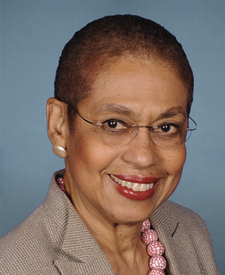
IntroducedMs. Norton introduced the following bill; which was referred to …
Impact analysis is available but no clear stakeholder effects identified. View clause-level analysis →
Bill Structure & Actor Mappings
Who is "The Secretary" in each section?
- "secretary_of_labor"
- → Secretary of Labor
Key Definitions
Terms defined in this bill
an employing office described in section 101(9) of the Congressional Accountability Act of 1995, and includes the Government Accountability Office and the Library of Congress
We use a combination of our own taxonomy and classification in addition to large language models to assess meaning and potential beneficiaries. High confidence means strong textual evidence. Always verify with the original bill text.
Learn more about our methodology