To amend the Federal Financial Institutions Examination Council Act of 1978 to improve the examination of depository institutions, and for other purposes.
Sponsors

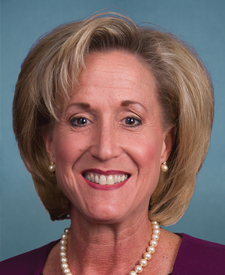
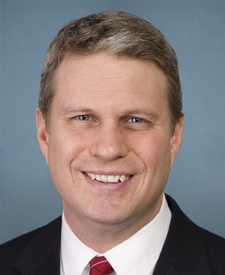

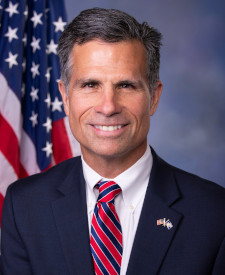
Legislative Progress
ReportedAdditional sponsors: Mr. Haridopolos, Mr. Sessions, Mr. David Scott of …
Reported with an amendment, committed to the Committee of the …
Mr. Hill of Arkansas (for himself, Mr. Meuser, Mrs. Wagner, …
Summary
What This Bill Does
The FAIR Exams Act reforms how federal banking regulators examine banks and credit unions by setting strict time limits on examinations and creating an independent appeals process. It requires regulators to complete examinations within 270 days and deliver final reports within 90 days of the exit interview. Most significantly, it creates a new Office of Independent Examination Review, headed by a 3-member Board, to handle complaints and appeals from financial institutions that disagree with their examination results.
Who Benefits and How
Banks and credit unions gain significant new protections against what they view as slow, inconsistent, or unfair regulatory examinations. They receive guaranteed timelines for exam completion, a formal process to request regulatory guidance within 60 days, and the right to appeal material supervisory determinations to an independent board rather than the regulator that made the decision. The appeals process uses de novo review (meaning the Board decides independently rather than deferring to the regulator) and explicitly prohibits regulators from retaliating against institutions that file appeals. Financial institution trade associations also benefit from quarterly meetings with the new oversight Board.
Who Bears the Burden and How
Federal banking regulators (OCC, Federal Reserve, FDIC, NCUA, and CFPB) face new compliance burdens including mandatory examination timelines, required response deadlines for guidance requests, and oversight from the new independent Board. They must disclose all examination materials supporting supervisory determinations upon request. The five regulatory agencies must each fund one-fifth of the new Office of Independent Examination Review. Federal taxpayers indirectly bear costs as the new 3-member Board and its staff are funded through assessments on the regulatory agencies, which ultimately draw on federal resources.
Key Provisions
- Requires regulatory examinations to be completed within 270 days, with final reports delivered within 90 days of exit interview
- Creates the Office of Independent Examination Review with a 3-member Board (appointed by the President with Senate confirmation) to handle complaints and appeals
- Establishes formal 60-day deadline for regulators to respond to financial institutions requesting guidance on proposed activities or regulatory interpretations
- Grants financial institutions the right to de novo review of supervisory determinations before an independent Board, with further appeal to federal appeals courts
- Explicitly prohibits regulatory retaliation against institutions that exercise their appeal rights, including delaying or denying applications
- Expands the scope of appealable matters to include issues flagged in exam reports as requiring management attention
Evidence Chain:
This summary is derived from the structured analysis below. See "Detailed Analysis" for per-title beneficiaries/burden bearers with clause-level evidence links.
Primary Purpose
Amends the Federal Financial Institutions Examination Council Act of 1978 to establish time limits on bank examinations, create an independent appeals process, and protect financial institutions from regulatory retaliation.
Policy Domains
Legislative Strategy
"Reduce regulatory burden on banks and credit unions by imposing time limits on examinations and creating an independent appeals process outside the regulatory agencies"
Likely Beneficiaries
- Insured depository institutions (banks)
- Insured credit unions
- Financial institution trade associations
- Financial institution management and boards
Likely Burden Bearers
- Federal banking regulators (OCC, Federal Reserve, FDIC, NCUA, CFPB)
- Federal taxpayers (funding new oversight office)
Bill Structure & Actor Mappings
Who is "The Secretary" in each section?
- "federal_financial_institutions_regulatory_agency"
- → OCC, Federal Reserve, FDIC, NCUA (and CFPB for some purposes)
- "federal_financial_institutions_regulatory_agency"
- → OCC, Federal Reserve, FDIC, NCUA (and CFPB for some purposes)
- "the_board"
- → Board of Independent Examination Review (3 members appointed by President)
- "the_office"
- → Office of Independent Examination Review
- "the_council"
- → Federal Financial Institutions Examination Council
- "the_board"
- → Board of Independent Examination Review
- "federal_financial_institutions_regulatory_agency"
- → OCC, Federal Reserve, FDIC, NCUA, CFPB
- "federal_financial_institutions_regulatory_agencies"
- → OCC, Federal Reserve, FDIC, NCUA, CFPB
Key Definitions
Terms defined in this bill
OCC, Federal Reserve, FDIC, and NCUA; includes CFPB for sections 1012-1015
Depository institutions, except for sections 1012-1015 excludes credit unions that are not insured credit unions
Board of Independent Examination Review established under section 1014(b)
As defined in section 309(c) of Riegle Community Development and Regulatory Improvement Act of 1994
As defined in section 3 of the Federal Deposit Insurance Act
As defined in section 101 of the Federal Credit Union Act
We use a combination of our own taxonomy and classification in addition to large language models to assess meaning and potential beneficiaries. High confidence means strong textual evidence. Always verify with the original bill text.
Learn more about our methodology