Voter ID Act
Summary
What This Bill Does
The Voter ID Act would make a valid physical photo ID a condition for receiving an in-person ballot in a Federal election. A voter without ID could cast a provisional ballot, but generally would have three days to present ID; a voter with a religious objection to being photographed could instead submit a State affidavit. A voter casting a ballot other than in person would have to include an ID copy or provide the last four Social Security number digits and an affidavit describing reasonable but unsuccessful efforts to obtain a copy. Absent uniformed-services voters and certain voters protected by Federal accessibility law are exempt from the remote-ballot rule. The requirements would take effect 90 days after enactment.
Who Benefits and How
Supporters of photo-ID safeguards could benefit from a uniform Federal-election identification rule. Voters with a religious objection to photography retain an affidavit cure, while absent uniformed-services voters and specified elderly or disabled voters retain remote-voting exceptions. People who cannot afford State or Tribal ID fees could receive qualifying photo identification without charge, and participating States and Tribal governments would receive Election Assistance Commission grants to offset that cost. Remote voters could use free imaging devices at government buildings to copy an ID.
Who Bears the Burden and How
In-person voters without qualifying photo ID must use a provisional ballot and meet a three-day cure deadline. Remote voters must submit an ID copy or Social Security digits and an affidavit, creating documentation and privacy burdens. State and local election offices are required to check documents, administer provisional-ballot cures, notify registration applicants, update online systems, and provide free access to scanners, copiers, printers, or similar devices. Applicants seeking free IDs must attest under penalty of perjury that they cannot afford the ordinary fee, and election officials must implement the new rules within 90 days.
Key Provisions
- Prohibits election officials from issuing an in-person Federal ballot without one of five specified forms of physical photo identification.
- Requires most voters without in-person ID to cure a provisional ballot within three days and creates a religious-objection affidavit alternative.
- Requires most remote ballots to include an ID copy or Social Security digits and an inability-to-copy affidavit, while preserving military and accessibility exceptions.
- Directs States to notify registration applicants and provide free public access to digital imaging devices in government buildings where practicable.
- Establishes Election Assistance Commission grants for States and Tribal governments that issue qualifying photo IDs without charge to eligible people who attest they cannot afford the fee.
Evidence Chain:
This summary is generated from the full bill text using AI analysis. Expand "Detailed Analysis" below for identified beneficiaries/burden bearers with clause-level evidence links.
At a Glance
What This Bill Does
Require photo identification for in-person and remote voting in Federal elections, establish limited cure and exemption routes, and fund States and Tribal governments that issue qualifying photo identification without charge to applicants who attest they cannot afford the fee.
Key Policy Areas
Elections, Civil Rights, Intergovernmental Affairs
Primary Purpose
Require photo identification for in-person and remote voting in Federal elections, establish limited cure and exemption routes, and fund States and Tribal governments that issue qualifying photo identification without charge to applicants who attest they cannot afford the fee.
Policy Domains
Section 2 and HAVA section 303A - Federal voter photo ID
Identified Gains
- Federal-election voters with qualifying photo identification
- Voters with religious objections to being photographed
- Absent uniformed-services voters
- Voters protected by Federal elderly and disability access law
Identified Costs
- In-person Federal-election voters without qualifying photo identification
- Remote Federal-election voters unable to provide an identification copy
- State election officials administering Federal elections
- Local election officials administering Federal elections
Section 3 and HAVA section 298 - Free identification grants
Identified Gains
- Low-income applicants for State photo identification
- Low-income applicants for Tribal photo identification
- States issuing no-cost voter identification
- Tribal governments issuing no-cost voter identification
Identified Costs
- United States Election Assistance Commission grant administrators
- State motor-vehicle identification offices
- Tribal identification offices
- Applicants making inability-to-pay attestations
Sponsors
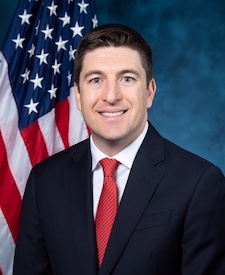
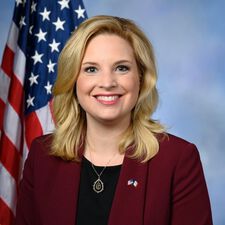
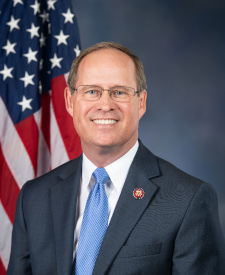

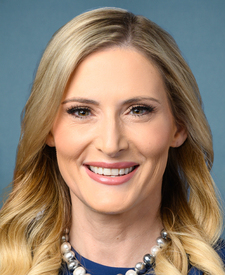
Legislative Progress
ReportedPlaced on the Union Calendar, Calendar No. 653.
Reported (Amended) by the Committee on House Administration. H. Rept. …
Ordered to be Reported (Amended) by the Yeas and Nays: …
Committee Consideration and Mark-up Session Held
Mr. Steil (for himself, Mrs. Miller of Illinois, Mr. Murphy, …
Referred to the House Committee on House Administration.
Introduced in House
Stakeholder Effects
cui bono?How this legislation distributes effects. Mention counts reflect frequency, not effect magnitude.
Applicants making inability-to-pay attestations, In-person Federal-election voters without qualifying photo identification, Low-income applicants for State photo identification
Positive-direction: Low-income applicants for State photo identification, Voters with religious objections to being photographed
Negative-direction: Applicants making inability-to-pay attestations, In-person Federal-election voters without qualifying photo identification, Remote Federal-election voters unable to provide an identification copy
Local election officials administering Federal elections, State election officials administering Federal elections, United States Election Assistance Commission grant administrators
Voters protected by Federal elderly and disability access law
Low-income applicants for Tribal photo identification
States issuing no-cost voter identification
Tribal governments issuing no-cost voter identification
Bill Structure & Actor Mappings
Who is "The Secretary" in each section?
- "state"
- → State government
- "official"
- → Appropriate State or local election official
- "state"
- → State government
- "commission"
- → United States Election Assistance Commission
- "tribal_government"
- → Federally recognized Tribal government
Key Definitions
Terms defined in this bill
The governing body of an Indian or Alaska Native tribe, band, nation, pueblo, village, or community acknowledged under the Federally Recognized Indian Tribe List Act.
An unexpired photo-bearing State driver's license or motor-vehicle identification card, United States passport, military identification, or Tribal government identification document.
We use a combination of our own taxonomy and classification in addition to large language models to assess meaning and potential beneficiaries. High confidence means strong textual evidence. Always verify with the original bill text.
Learn more about our methodology