SEC Reform and Restructuring Act
Summary
What This Bill Does
H.R. 9329 changes how the Securities and Exchange Commission writes rules, supervises auditors, counts violations, and organizes its staff. It requires a documented costs-and-benefits justification for covered regulations, cumulative analysis of related rules, and retrospective assessment of major rules. Two years after enactment, the Public Company Accounting Oversight Board terminates and an Office of Public Accounting Oversight within the SEC Chief Accountant's office takes over audit supervision. The reported text places transferred legal powers with the Commission and preserves existing PCAOB rules as Commission rules at termination. This is a change of regulator, not abolition of audit registration, standards, or inspections.
Who Benefits and How
Public-company managers, accounting firms, investment advisers, and broker-dealer staff gain additional opportunities to contest the costs and alternatives of proposed rules. Market participants have at least 60 days to comment on covered proposals, or 30 for imminent investor harm, excluding federal holidays. Securities-law defendants benefit because separate acts with a common or substantially overlapping cause, the same misstatement or omission, or a continuing failure to comply must count as one violation for the specified penalties. Accounting-support-fee payers could benefit from discretionary rather than mandatory fee funding for the new oversight office, but the bill does not guarantee a fee reduction. Investor advocates and pension funds gain economic-assessment reports, congressional testimony, and scrutiny of SEC cybersecurity.
Who Bears the Burden and How
The SEC, its Chief Economist, and Government Accountability Office staff must perform additional analysis, data collection, audits, testimony, and reports. PCAOB employees face institutional termination and a transition to the SEC-led system; the text does not itself guarantee individual jobs. Investor protection may improve through more accountable rules and cybersecurity review, while delayed rulemaking and lower aggregate penalty exposure could reduce timely protection or deterrence. Those investor effects are inferences, not quantified outcomes. The accounting standard-setting body remains fee funded and becomes subject to explicit SEC budget approval. The new office remains responsible for inspections, and the Commission must establish fair investigation and discipline procedures. No overall appropriation, staffing guarantee, or quantified savings is supplied.
Key Provisions
- Requires qualitative and quantitative regulatory analysis, comparison with not regulating and other alternatives, cumulative effects, and a reasoned finding that benefits justify costs; specified formal, internal, statutorily excluded, and certified emergency actions are excepted.
- Requires major-rule assessment reports within four years unless a justified extension is published at least 90 days before the deadline, followed by publication for comment within 30 days of receipt.
- Requires the SEC chair to testify at least every six months, with commissioners joining annually; directs a one-year GAO IT audit and recurring major-rule studies every three years after the initial one-year deadline.
- Terminates the PCAOB after two years, preserves its rules and foreign cooperative arrangements or agreements, and assigns audit oversight to the SEC Chief Accountant's office with continuing inspections.
- Makes funding of the oversight office through accounting support fees discretionary, while retaining fee funding and SEC approval for the accounting standard-setting body's budget.
- Limits counting of related or continuing noncompliance as separate violations under the listed securities-law penalty provisions; it does not repeal the underlying prohibitions.
- Requires an organizational review within 180 days, practicable reassignment of direct reports within another 90 days, a report within 30 days thereafter, and permits regional-office consolidation when the SEC finds it appropriate.
Evidence Chain:
This summary is generated from the full bill text using AI analysis. Expand "Detailed Analysis" below for identified beneficiaries/burden bearers with clause-level evidence links.
At a Glance
What This Bill Does
Impose expanded economic analysis and oversight on SEC rulemaking, consolidate public-company audit supervision inside the SEC, lengthen comment periods, and limit aggregation of securities-law penalties.
Key Policy Areas
Financial Regulation, Government Operations, Accounting
Primary Purpose
Impose expanded economic analysis and oversight on SEC rulemaking, consolidate public-company audit supervision inside the SEC, lengthen comment periods, and limit aggregation of securities-law penalties.
Policy Domains
Title I - Regulatory economic analysis
Identified Gains
- Public-company managers
- Broker-dealer staff
- Investor advocates
- Pension funds
- Securities-law defendants
Identified Costs
- Securities and Exchange Commission
- Government Accountability Office
- Public Company Accounting Oversight Board employees
- Accounting standard-setting body
Title V - Public accounting oversight transition
Identified Gains
- Public-company managers
- Broker-dealer staff
- Investor advocates
- Pension funds
- Securities-law defendants
Identified Costs
- Securities and Exchange Commission
- Government Accountability Office
- Public Company Accounting Oversight Board employees
- Accounting standard-setting body
Title II - Congressional testimony
Identified Gains
- Public-company managers
- Broker-dealer staff
- Investor advocates
- Pension funds
- Securities-law defendants
Identified Costs
- Securities and Exchange Commission
- Government Accountability Office
- Public Company Accounting Oversight Board employees
- Accounting standard-setting body
Title IV - Cumulative rule effects
Identified Gains
- Public-company managers
- Broker-dealer staff
- Investor advocates
- Pension funds
- Securities-law defendants
Identified Costs
- Securities and Exchange Commission
- Government Accountability Office
- Public Company Accounting Oversight Board employees
- Accounting standard-setting body
Title IX - SEC organization
Identified Gains
- Public-company managers
- Broker-dealer staff
- Investor advocates
- Pension funds
- Securities-law defendants
Identified Costs
- Securities and Exchange Commission
- Government Accountability Office
- Public Company Accounting Oversight Board employees
- Accounting standard-setting body
Title VI - GAO major-rule studies
Identified Gains
- Public-company managers
- Broker-dealer staff
- Investor advocates
- Pension funds
- Securities-law defendants
Identified Costs
- Securities and Exchange Commission
- Government Accountability Office
- Public Company Accounting Oversight Board employees
- Accounting standard-setting body
Title III - Information technology audit
Identified Gains
- Public-company managers
- Broker-dealer staff
- Investor advocates
- Pension funds
- Securities-law defendants
Identified Costs
- Securities and Exchange Commission
- Government Accountability Office
- Public Company Accounting Oversight Board employees
- Accounting standard-setting body
Title VII - Comment periods
Identified Gains
- Public-company managers
- Broker-dealer staff
- Investor advocates
- Pension funds
- Securities-law defendants
Identified Costs
- Securities and Exchange Commission
- Government Accountability Office
- Public Company Accounting Oversight Board employees
- Accounting standard-setting body
Title VIII - Penalty counts
Identified Gains
- Public-company managers
- Broker-dealer staff
- Investor advocates
- Pension funds
- Securities-law defendants
Identified Costs
- Securities and Exchange Commission
- Government Accountability Office
- Public Company Accounting Oversight Board employees
- Accounting standard-setting body
Sponsors
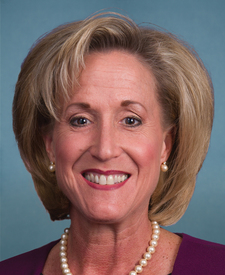
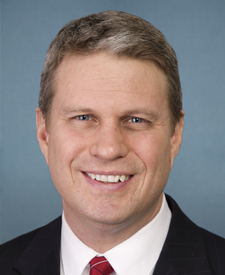
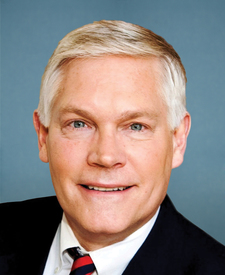

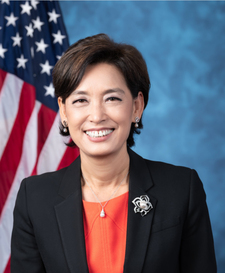
Legislative Progress
ReportedPlaced on the Union Calendar, Calendar No. 694.
Reported (Amended) by the Committee on Financial Services. H. Rept. …
Additional sponsor: Mrs. Kim
Reported with an amendment, committed to the Committee of the …
Ordered to be Reported (Amended) by the Yeas and Nays: …
Committee Consideration and Mark-up Session Held
Referred to the House Committee on Financial Services.
Introduced in House
Mrs. Wagner (for herself, Mr. Downing, Mr. Sessions, and Mr. …
Stakeholder Effects
cui bono?How this legislation distributes effects. Mention counts reflect frequency, not effect magnitude.
Foreign auditor oversight authorities, Government Accountability Office, Office of Public Accounting Oversight
Positive-direction: Foreign auditor oversight authorities
Negative-direction: Government Accountability Office, Securities and Exchange Commission
Accounting standard-setting body, Accounting support fee payers, Foreign public accounting firms
Positive-direction: Accounting support fee payers, Foreign public accounting firms, SEC-regulated market participants, Securities rulemaking commenters, Securities-law enforcement defendants
Negative-direction: Accounting standard-setting body
Public Company Accounting Oversight Board employees, SEC staff, Securities investors
Bill Structure & Actor Mappings
Who is "The Secretary" in each section?
- "Office"
- → Office of Public Accounting Oversight within the SEC Office of the Chief Accountant
- "Chairman"
- → Chair of the Securities and Exchange Commission
- "Commission"
- → Securities and Exchange Commission
- "Comptroller General"
- → Comptroller General heading the Government Accountability Office
- "Office"
- → Office of Public Accounting Oversight within the SEC Office of the Chief Accountant
- "Chairman"
- → Chair of the Securities and Exchange Commission
- "Commission"
- → Securities and Exchange Commission
- "Comptroller General"
- → Comptroller General heading the Government Accountability Office
- "Office"
- → Office of Public Accounting Oversight within the SEC Office of the Chief Accountant
- "Chairman"
- → Chair of the Securities and Exchange Commission
- "Commission"
- → Securities and Exchange Commission
- "Comptroller General"
- → Comptroller General heading the Government Accountability Office
- "Office"
- → Office of Public Accounting Oversight within the SEC Office of the Chief Accountant
- "Chairman"
- → Chair of the Securities and Exchange Commission
- "Commission"
- → Securities and Exchange Commission
- "Comptroller General"
- → Comptroller General heading the Government Accountability Office
- "Office"
- → Office of Public Accounting Oversight within the SEC Office of the Chief Accountant
- "Chairman"
- → Chair of the Securities and Exchange Commission
- "Commission"
- → Securities and Exchange Commission
- "Comptroller General"
- → Comptroller General heading the Government Accountability Office
- "Office"
- → Office of Public Accounting Oversight within the SEC Office of the Chief Accountant
- "Chairman"
- → Chair of the Securities and Exchange Commission
- "Commission"
- → Securities and Exchange Commission
- "Comptroller General"
- → Comptroller General heading the Government Accountability Office
- "Office"
- → Office of Public Accounting Oversight within the SEC Office of the Chief Accountant
- "Chairman"
- → Chair of the Securities and Exchange Commission
- "Commission"
- → Securities and Exchange Commission
- "Comptroller General"
- → Comptroller General heading the Government Accountability Office
- "Office"
- → Office of Public Accounting Oversight within the SEC Office of the Chief Accountant
- "Chairman"
- → Chair of the Securities and Exchange Commission
- "Commission"
- → Securities and Exchange Commission
- "Comptroller General"
- → Comptroller General heading the Government Accountability Office
- "Office"
- → Office of Public Accounting Oversight within the SEC Office of the Chief Accountant
- "Chairman"
- → Chair of the Securities and Exchange Commission
- "Commission"
- → Securities and Exchange Commission
- "Comptroller General"
- → Comptroller General heading the Government Accountability Office
Key Definitions
Terms defined in this bill
Separate noncompliance acts sharing a common or substantially overlapping originating cause, the same misstatement or omission, or a continuing failure to comply for specified penalty calculations.
General-applicability agency actions intended to have legal force, with the listed formal-rulemaking, internal-management, conflicting-statute and certified-emergency exceptions.
We use a combination of our own taxonomy and classification in addition to large language models to assess meaning and potential beneficiaries. High confidence means strong textual evidence. Always verify with the original bill text.
Learn more about our methodology