To strengthen the Department of Justice’s enforcement against trade-related crimes.
Analysis under review: This bill has generated analysis that may be too generic or incomplete. Clause-level evidence remains available below.
Summary
What This Bill Does
This bill, To strengthen the Department of Justice’s enforcement against trade-related crimes., changes federal law or congressional policy affecting importers, exporters, and commercial firms. The main policy domain is Trade, Immigration, Criminal Justice.
Who Benefits and How
importers, exporters, and commercial firms may benefit from new authority, funding, eligibility, regulatory clarity, or reduced risk created by the bill.
Who Bears the Burden and How
federal implementing agencies, importers, exporters, and commercial firms may take on implementation duties, reporting obligations, compliance costs, or oversight responsibilities.
Key Provisions
- Section H26619ECD59774E5AA317267C13947792: 1. Short title This Act may be cited as the Protecting American Industry and Labor from International Trade Crimes Act of 2024.
- Section HD8C3A6FEAB1942AC9A0BCB01BDEA9E70: 2. Trade-related crimes defined In this Act, the term trade-related crimes shall be defined as violations of law that are implicated by criminal activities in...
- Section H1120D908232F4FC5B38CD92884828177: 3. Establishment of new structure to prosecute international trade crimes A task force, named program, or other similar structure to investigate and prosecute...
- Section HBFCEE34416A645958A5EC18C1689919F: 4. Duties and functions of new trade crimes structure Through the efforts of the task force, named program, or other structure identified in section 3(a), the...
- Section HF0F2E75A227147208474658344D70AC8: 5. Annual report to Congress The Attorney General, in consultation with the Secretary of Homeland Security, shall submit to the Committee on the Judiciary,...
Evidence Chain:
This summary is generated from the full bill text using AI analysis. Expand "Detailed Analysis" below for identified beneficiaries/burden bearers.
At a Glance
What This Bill Does
This bill, To strengthen the Department of Justice’s enforcement against trade-related crimes., changes federal law or congressional policy affecting importers, exporters, and commercial firms.
Key Policy Areas
Trade, Immigration, Criminal Justice
Primary Purpose
This bill, To strengthen the Department of Justice’s enforcement against trade-related crimes., changes federal law or congressional policy affecting importers, exporters, and commercial firms.
Policy Domains
Whole bill
Identified Gains
Contextual inference, no direct clause citation- importers, exporters, and commercial firms
Contextual inference, no direct clause citation
Identified Costs
Contextual inference, no direct clause citation- federal implementing agencies
- importers, exporters, and commercial firms
Contextual inference, no direct clause citation
Sponsors
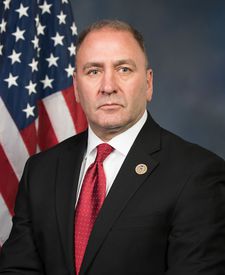
Legislative Progress
ReportedReceived; read twice and referred to the Committee on the …
Additional sponsors: Mr. Carson, Mr. Kelly of Pennsylvania, Mr. Davis …
Reported with an amendment, committed to the Committee of the …
Mrs. Hinson (for herself, Mr. Krishnamoorthi, Mr. Moolenaar, Mr. Ivey, …
Impact analysis is available but no clear stakeholder effects identified. View clause-level analysis →
Bill Structure & Actor Mappings
Who is "The Secretary" in each section?
- "secretary_of_homeland_security"
- → Secretary of Homeland Security
We use a combination of our own taxonomy and classification in addition to large language models to assess meaning and potential beneficiaries. High confidence means strong textual evidence. Always verify with the original bill text.
Learn more about our methodology