Small Business Technological Act of 2025
Summary
What This Bill Does
The Small Business Technological Act of 2025 amends the Small Business Act to make business software, cloud computing services, and related technology eligible uses for SBA 7(a) loans. Covered technology includes tools that facilitate business operations, product or service delivery, payroll processing and tracking, human resources, sales and billing, accounting, and tracking of supplies, inventory, records, and expenses. The bill also includes business tools that use artificial intelligence.
The bill includes guardrails. It says prior 7(a) loans for these purposes should not be treated as impermissible, does not authorize use of 7(a) loans for research and development, and does not limit the broader definition of working capital under the Small Business Act.
Who Benefits and How
Small business borrowers benefit because 7(a) financing can clearly cover operating software, cloud subscriptions, payroll tools, billing systems, inventory platforms, and AI-enabled business tools. Small business software vendors benefit if loan proceeds can pay for their products. Cloud service providers benefit from a larger SBA-financed customer base. 7(a) lenders benefit from clearer statutory language when underwriting technology uses. SBA loan officers benefit from a defined category for modern business software.
Who Bears the Burden and How
SBA loan officers must update guidance and eligibility reviews for software and cloud services. 7(a) lenders must document that financed technology supports business operations rather than research and development. Borrowers using funds for AI tools must show those tools support permitted business functions. SBA compliance staff must monitor the boundary between eligible operating technology and ineligible research activity.
Key Provisions
- Expands SBA 7(a) loan uses to include business software and cloud computing services.
- Provides coverage for technology supporting payroll, human resources, sales, billing, accounting, inventory, records, expenses, and service delivery.
- Includes AI-enabled business tools when they facilitate covered operations.
- Bars reading the amendment to newly invalidate prior 7(a) technology loans.
- Prohibits using the amendment as authority for research and development loans or as a limit on working capital.
Evidence Chain:
This summary is generated from the full bill text using AI analysis. Expand "Detailed Analysis" below for identified beneficiaries/burden bearers with clause-level evidence links.
At a Glance
What This Bill Does
Allows SBA 7(a) loans to finance business software, cloud computing services, and AI-enabled business tools used for operations, payroll, human resources, sales, billing, accounting, inventory, records, and service delivery, while clarifying that the bill does not authorize research and development loans or narrow working capital.
Key Policy Areas
Small Business, SBA Lending, Technology, Cloud Computing
Primary Purpose
Allows SBA 7(a) loans to finance business software, cloud computing services, and AI-enabled business tools used for operations, payroll, human resources, sales, billing, accounting, inventory, records, and service delivery, while clarifying that the bill does not authorize research and development loans or narrow working capital.
Policy Domains
House resolution provisions
Identified Gains
- Small business borrowers
- Small business software vendors
- Cloud service providers
- 7(a) lenders
- SBA loan officers
Identified Costs
- SBA loan officers
- 7(a) lenders
- Borrowers using AI tools
- SBA compliance staff
Sponsors
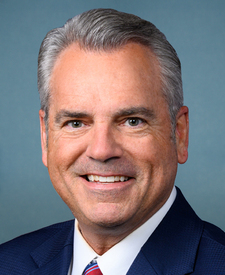
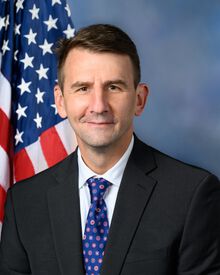
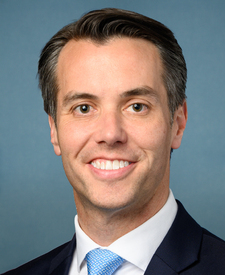
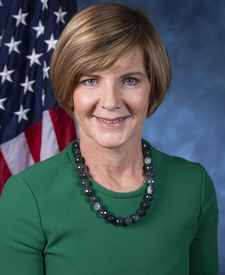
Legislative Progress
ReportedPlaced on the Union Calendar, Calendar No. 591.
Reported by the Committee on Small Business. H. Rept. 119-678.
Additional sponsors: Mr. Mrvan and Mr. McGarvey
Placed on the Union Calendar, Calendar No. 591.
Ordered to be Reported by the Yeas and Nays: 23 …
Committee Consideration and Mark-up Session Held
Introduced in House
Referred to the House Committee on Small Business.
Mr. Alford (for himself and Ms. Lee of Nevada) introduced …
Stakeholder Effects
cui bono?How this legislation distributes effects. Mention counts reflect frequency, not effect magnitude.
SBA loan officers, Small business borrowers
Positive-direction: Small business borrowers
Negative-direction: SBA loan officers
Cloud service providers, Small business software vendors
Bill Structure & Actor Mappings
Who is "The Secretary" in each section?
- "sba"
- → Small Business Administration
We use a combination of our own taxonomy and classification in addition to large language models to assess meaning and potential beneficiaries. High confidence means strong textual evidence. Always verify with the original bill text.
Learn more about our methodology