To direct the Administrator of the Federal Emergency Management Agency to take certain actions relating to incident periods and extreme weather, and for other purposes.
Analysis under review: This bill has generated analysis that may be too generic or incomplete. Clause-level evidence remains available below.
Summary
What This Bill Does
The Extreme Weather and Heat Response Modernization Act directs FEMA to reform how incident periods are determined for disasters, especially slow-onset and cascading events. It makes extreme heat and cold mitigation projects eligible for Stafford Act funding, including community cooling centers, resilience centers, and emergency equipment stockpiling. It also requires FEMA to issue guidance on extreme temperature events and conduct a comprehensive study on extreme heat and cold impacts.
Who Benefits and How
Communities vulnerable to extreme heat and cold, especially disadvantaged populations, benefit from expanded FEMA mitigation funding and new community cooling and resilience centers. State, local, tribal, and territorial emergency management agencies benefit from improved incident period procedures and clearer guidance. First responders benefit from new training protocols for extreme temperature emergencies.
Who Bears the Burden and How
FEMA bears significant new administrative burdens including convening advisory panels, conducting studies, issuing guidance across multiple frameworks, and initiating rulemaking. Congress must review reports within specified timelines.
Key Provisions
- Section 2: Advisory panel to review incident period procedures, with reports to Congress and mandatory rulemaking
- Section 3: Expands Stafford Act mitigation eligibility to include extreme heat/cold projects, cooling centers, and resilience centers
- Section 4: Requires FEMA guidance on extreme temperature events across multiple program frameworks
- Section 5: Comprehensive study on extreme heat/cold impacts on communities, infrastructure, health, and first responders
Evidence Chain:
This summary is generated from the full bill text using AI analysis. Expand "Detailed Analysis" below for identified beneficiaries/burden bearers.
At a Glance
What This Bill Does
Modernizes FEMA disaster response for extreme weather by reforming incident period determinations, expanding mitigation funding eligibility to include extreme heat and cold preparedness projects, and directing studies and guidance on extreme temperature emergencies.
Key Policy Areas
Emergency Management, Climate & Environment, Public Health, Government Operations
Primary Purpose
Modernizes FEMA disaster response for extreme weather by reforming incident period determinations, expanding mitigation funding eligibility to include extreme heat and cold preparedness projects, and directing studies and guidance on extreme temperature emergencies.
Policy Domains
Whole Bill - Extreme Weather Response Modernization
Identified Gains
Contextual inference, no direct clause citation- Disadvantaged communities vulnerable to extreme heat/cold
- State and local emergency management agencies
- First responders
- Rural and tribal communities
Contextual inference, no direct clause citation
Identified Costs
Contextual inference, no direct clause citation- Federal Emergency Management Agency
- Congress (oversight)
Contextual inference, no direct clause citation
Sponsors

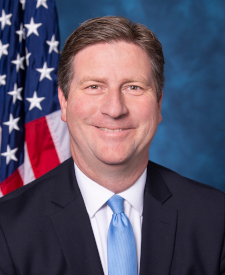

Legislative Progress
ReportedAdditional sponsor: Mr. Carter of Louisiana
Reported with an amendment, committed to the Committee of the …
Ms. Titus (for herself and Mr. Stanton) introduced the following …
Stakeholder Effects
cui bono?How this legislation distributes effects. Mention counts reflect frequency, not effect magnitude.
Federal Emergency Management Agency, Local governments, State and local emergency management agencies
Positive-direction: Local governments, State and local emergency management agencies
Negative-direction: Federal Emergency Management Agency
Communities affected by slow-onset disasters, Disadvantaged communities
Bill Structure & Actor Mappings
Who is "The Secretary" in each section?
- "the_administrator"
- → Administrator of the Federal Emergency Management Agency
Key Definitions
Terms defined in this bill
A public serving facility that provides an environment for people to maintain a healthy body temperature during an extreme heat event.
A public serving facility with hazard resistant design for programming, operations, and communication to build community resilience before, during, and after emergency events.
We use a combination of our own taxonomy and classification in addition to large language models to assess meaning and potential beneficiaries. High confidence means strong textual evidence. Always verify with the original bill text.
Learn more about our methodology