To direct the Director of the United States Geological Survey to establish a program to map zones that are at greater risk of sinkhole formation, and for other purposes.
Sponsors

Legislative Progress
Passed HouseReceived; read twice and referred to the Committee on Energy …
Passed House (inferred from eh version)
Additional sponsors: Mr. Costa, Mr. Harder of California, Mr. Fitzpatrick, …
Reported with an amendment, committed to the Committee of the …
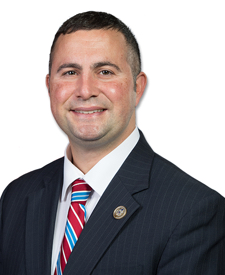
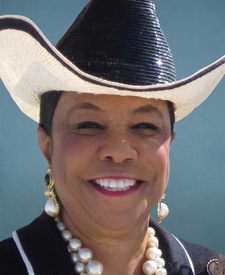
Mr. Soto (for himself, Mr. Bilirakis, Mr. Frost, Ms. Castor …
Summary
What This Bill Does
Directs USGS to establish a program studying sinkhole formation causes (including droughts, aquifer depletion, and storms) and develop maps showing high-risk zones for use by planners and emergency managers.
Who Benefits and How
Communities at sinkhole risk gain hazard identification. Emergency managers and planners get risk zone maps. Property owners can assess sinkhole vulnerability.
Who Bears the Burden and How
USGS takes on new sinkhole mapping program. Subject to appropriations availability.
Key Provisions
- Study short and long-term sinkhole mechanisms
- Develop maps depicting high-risk sinkhole zones
- Use 3D elevation data from National Landslide Preparedness Act
- Update maps every 5 years or more often if needed
- Public website displaying maps and critical information
Evidence Chain:
This summary is derived from the structured analysis below. See "Detailed Analysis" for per-title beneficiaries/burden bearers with clause-level evidence links.
Primary Purpose
Directs USGS to study sinkhole formation and develop risk zone maps
Policy Domains
Legislative Strategy
"Improve hazard awareness for sinkhole-prone areas"
Bill Structure & Actor Mappings
Who is "The Secretary" in each section?
- "the_director"
- → Director of USGS
We use a combination of our own taxonomy and classification in addition to large language models to assess meaning and potential beneficiaries. High confidence means strong textual evidence. Always verify with the original bill text.
Learn more about our methodology