SBA Artificial Intelligence Utilization Act of 2026
Summary
What This Bill Does
The SBA Artificial Intelligence Utilization Act of 2026 amends the Small Business Act to require reports on the Small Business Administration's use of artificial intelligence and machine learning. The first report is due within 90 days after enactment, with annual reports after that. Each report must describe SBA uses of AI and machine learning, benefits and risks to SBA work, risks that could impede operations, and measures the Administrator can take to identify, evaluate, and manage those risks.
The bill specifically requires SBA to explain how it will retain human involvement in important decisions informed by AI or machine-learning recommendations, identify tasks that can or cannot be reliably performed by those tools, select appropriate tools for particular functions, and decide whether a tool adequately fills an agency need. Within 30 days after each report, SBA must brief the House and Senate small-business committees.
Who Benefits and How
Congressional small-business committees benefit from recurring visibility into SBA AI use. SBA program offices benefit from a formal framework for deciding where AI can improve operations, productivity, or customer service. Small business applicants benefit if human review remains part of important SBA decisions. SBA technology governance staff benefit because the bill names risk management, tool selection, and adoption value as required topics. Public oversight groups benefit from more information about federal AI deployment.
Who Bears the Burden and How
SBA leadership must inventory AI and machine-learning uses and report annually. SBA technology staff must evaluate task suitability, tool reliability, human involvement, and operational risk. SBA program managers using automated tools must document benefits and risks. Congressional staff must review reports and briefings every year. AI vendors serving SBA may face more scrutiny over whether tools actually fill agency needs.
Key Provisions
- Requires an SBA AI and machine-learning use report within 90 days and annually thereafter.
- Requires discussion of benefits, risks, operational impacts, and risk-management measures.
- Requires explanation of human involvement in important AI-informed decisions.
- Directs SBA to assess task suitability, tool selection, and whether AI tools fill agency needs.
- Requires a congressional briefing within 30 days after each report.
Evidence Chain:
This summary is generated from the full bill text using AI analysis. Expand "Detailed Analysis" below for identified beneficiaries/burden bearers with clause-level evidence links.
At a Glance
What This Bill Does
Requires SBA to report within 90 days and annually on its use of artificial intelligence and machine learning, including benefits, risks, operational impacts, human involvement in important decisions, task suitability, tool selection, and adoption value, followed by congressional briefings.
Key Policy Areas
Small Business Administration, Artificial Intelligence, Oversight, Federal Operations
Primary Purpose
Requires SBA to report within 90 days and annually on its use of artificial intelligence and machine learning, including benefits, risks, operational impacts, human involvement in important decisions, task suitability, tool selection, and adoption value, followed by congressional briefings.
Policy Domains
House resolution provisions
Identified Gains
- Congressional small business committees
- SBA program offices
- Small business applicants
- SBA technology governance staff
- Public oversight groups
Identified Costs
- SBA leadership
- SBA technology staff
- SBA program managers
- Congressional staff
- AI vendors serving SBA
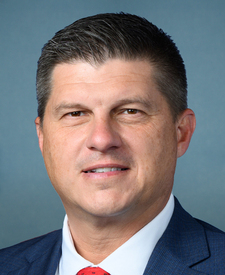
Sponsors

Legislative Progress
ReportedPlaced on the Union Calendar, Calendar No. 594.
Reported by the Committee on Small Business. H. Rept. 119-681.
Committed to the Committee of the Whole House on the …
Ordered to be Reported by the Yeas and Nays: 23 …
Committee Consideration and Mark-up Session Held
Mr. Finstad (for himself and Mr. Latimer) introduced the following …
Introduced in House
Referred to the House Committee on Small Business.
Stakeholder Effects
cui bono?How this legislation distributes effects. Mention counts reflect frequency, not effect magnitude.
SBA leadership, Small business applicants
Positive-direction: Small business applicants
Negative-direction: SBA leadership
Bill Structure & Actor Mappings
Who is "The Secretary" in each section?
- "sba"
- → Small Business Administration
We use a combination of our own taxonomy and classification in addition to large language models to assess meaning and potential beneficiaries. High confidence means strong textual evidence. Always verify with the original bill text.
Learn more about our methodology