To provide accountability for funding provided to the Internal Revenue Service and the Department of the Treasury under Public Law 117–169.
Summary
What This Bill Does
The bill provides annual comprehensive spending plan for increased Internal Revenue Service resources None of the funds described in paragraph (3) may be obligated during the period— beginning on the date of the enactment, provides quarterly reports Not later than 14 days after the last day of each calendar quarter beginning during the applicable period, the Commissioner of Internal Revenue shall submit to the appropriate Congressional, and provides appropriate Congressional committees defined. It relies on definition changes, appropriations, tax rate changes, and reporting requirements. The main policy areas are Environment, Environmental Groups, Finance, and Housing.
Who Benefits and How
Environmental and public health interests affected by the bill could face lower compliance burdens, Telecommunications providers and users affected by the bill could face lower compliance burdens, and Researchers and scientific institutions affected by the bill could face lower compliance burdens.
Who Bears the Burden and How
Federal, state, or local agencies responsible for implementing the clause would take on compliance duties.
Key Provisions
- Provides annual comprehensive spending plan for increased Internal Revenue Service resources None of the funds described in paragraph (3) may be obligated during the period— beginning on the date of the enactment...
- Provides quarterly reports Not later than 14 days after the last day of each calendar quarter beginning during the applicable period, the Commissioner of Internal Revenue shall submit to the appropriate Congressional...
- Provides appropriate Congressional committees defined.
Evidence Chain:
This summary is generated from the full bill text using AI analysis. Expand "Detailed Analysis" below for identified beneficiaries/burden bearers with clause-level evidence links.
At a Glance
What This Bill Does
The bill provides annual comprehensive spending plan for increased Internal Revenue Service resources None of the funds described in paragraph (3) may be obligated during the period— beginning on the date of the enactment, provides quarterly reports Not later than 14 days after the last day of each calendar quarter beginning during the applicable period, the Commissioner of Internal Revenue shall submit to the appropriate Congressional, and provides appropriate Congressional committees defined.
Key Policy Areas
Environment, Environmental Groups, Finance, Housing
Primary Purpose
The bill provides annual comprehensive spending plan for increased Internal Revenue Service resources None of the funds described in paragraph (3) may be obligated during the period— beginning on the date of the enactment, provides quarterly reports Not later than 14 days after the last day of each calendar quarter beginning during the applicable period, the Commissioner of Internal Revenue shall submit to the appropriate Congressional, and provides appropriate Congressional committees defined.
Policy Domains
Whole bill
Identified Gains
- Environmental and public health interests affected by the bill
- Telecommunications providers and users affected by the bill
- Researchers and scientific institutions affected by the bill
- National security and critical infrastructure stakeholders affected by the bill
- Law enforcement, justice-system actors, and affected communities
Identified Costs
- Federal, state, or local agencies responsible for implementing the clause
Sponsors
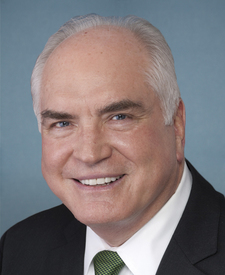

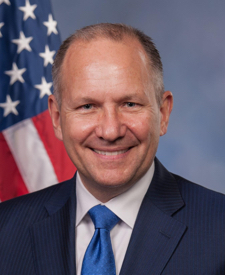

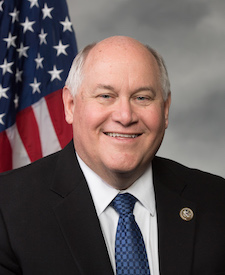
Legislative Progress
IntroducedMr. Kelly of Pennsylvania (for himself, Mr. Feenstra, Mr. LaHood, …
Stakeholder Effects
cui bono?How this legislation distributes effects. Mention counts reflect frequency, not effect magnitude.
Law enforcement, justice-system actors, and affected communities
Bill Structure & Actor Mappings
Who is "The Secretary" in each section?
We use a combination of our own taxonomy and classification in addition to large language models to assess meaning and potential beneficiaries. High confidence means strong textual evidence. Always verify with the original bill text.
Learn more about our methodology