To prohibit the use of artificial intelligence to deprive or defraud individuals of the right to vote in elections for public office, and for other purposes.
Analysis under review: This bill has generated analysis that may be too generic or incomplete. Clause-level evidence remains available below.
Summary
What This Bill Does
This bill, To prohibit the use of artificial intelligence to deprive or defraud individuals of the right to vote in elections for public office, and for other purposes., changes federal law or congressional policy affecting technology companies and users of digital services. The main policy domain is Technology, Labor, Transportation.
Who Benefits and How
technology companies and users of digital services may benefit from new authority, funding, eligibility, regulatory clarity, or reduced risk created by the bill.
Who Bears the Burden and How
federal implementing agencies, technology companies and users of digital services may take on implementation duties, reporting obligations, compliance costs, or oversight responsibilities.
Key Provisions
- Section H56BE3B2E6EC440CA8AABDE406B52A24B: 1. Short title This Act may be cited as the Securing Elections From AI Deception Act.
- Section H38706BAD5D034BF3B9E24DF78ECB4E17: 2. Definitions In this Act, the following definitions apply: The term Commission means the Federal Trade Commission. The term covered algorithm means a...
- Section HB4AC1C21E628442BA28A46ECDF55D74E: 3. Prohibiting use of artificial intelligence to deprive or defraud individuals of the right to vote in elections for public office A developer or deployer...
- Section H6ABAC0CBF0234101B390342D4DF982C4: 4. Requiring disclaimers on election-related content generated by artificial intelligence A deployer who uses a covered algorithm to generate, in whole or in...
- Section H78604269FF154219960F87BB1B3B203F: 5. Duty of care A developer or deployer shall not offer, license, or use a covered algorithm in a manner that is not safe and effective. For purposes of...
Evidence Chain:
This summary is generated from the full bill text using AI analysis. Expand "Detailed Analysis" below for identified beneficiaries/burden bearers with clause-level evidence links.
At a Glance
What This Bill Does
This bill, To prohibit the use of artificial intelligence to deprive or defraud individuals of the right to vote in elections for public office, and for other purposes., changes federal law or congressional policy affecting technology companies and users of digital services.
Key Policy Areas
Technology, Labor, Transportation
Primary Purpose
This bill, To prohibit the use of artificial intelligence to deprive or defraud individuals of the right to vote in elections for public office, and for other purposes., changes federal law or congressional policy affecting technology companies and users of digital services.
Policy Domains
Whole bill
Identified Gains
- technology companies and users of digital services
Identified Costs
- federal implementing agencies
- technology companies and users of digital services
Sponsors
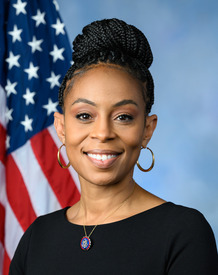
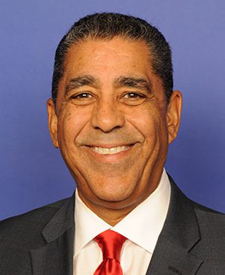
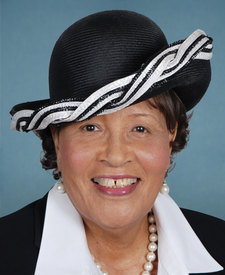
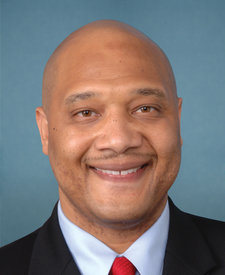

Legislative Progress
IntroducedMs. Brown (for herself, Mrs. Hayes, Ms. Stansbury, Ms. Lee …
Impact analysis is available but no clear stakeholder effects identified. View clause-level analysis →
Bill Structure & Actor Mappings
Who is "The Secretary" in each section?
- "the_commission"
- → The commission identified in the operative section
Key Definitions
Terms defined in this bill
the Federal Trade Commission. The term covered algorithm means a computational process described in subparagraph (B) that— creates or facilitates the creation of a product or information
We use a combination of our own taxonomy and classification in addition to large language models to assess meaning and potential beneficiaries. High confidence means strong textual evidence. Always verify with the original bill text.
Learn more about our methodology