To extend the supplemental security income program to Guam, and for other purposes.
Legislative Progress
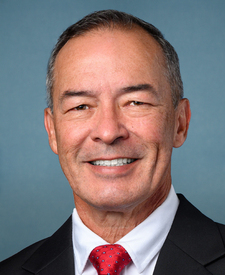
IntroducedMr. Moylan introduced the following bill; which was referred to …
Summary
What This Bill Does
The Katrina and Leslie Schaller Act extends the Supplemental Security Income (SSI) program to Guam. SSI provides monthly cash payments to elderly, blind, and disabled people with very low income. Currently, Guam is excluded from this federal program even though it is available in the 50 states, DC, and the Northern Mariana Islands. This bill changes federal law to include Guam and gives the Social Security Commissioner flexibility to adjust program rules to fit Guam'''s specific needs.
Who Benefits and How
Elderly, blind, and disabled Guam residents who meet income and asset limits will become eligible for monthly SSI checks, providing direct financial assistance they cannot currently receive. The Government of Guam will save money because the federal government will take over financial support for indigent disabled residents that Guam'''s government previously had to fund. Healthcare providers and social service agencies in Guam will likely see increased business as new SSI recipients have more money to spend on medical care and support services.
Who Bears the Burden and How
American taxpayers will pay for extending this federal benefit program to a new territory, increasing federal spending on means-tested benefits. The Social Security Administration will face higher administrative costs and workload to extend program operations to Guam, including processing applications, determining eligibility, and issuing payments, though the bill does grant them flexibility to modify requirements to reduce implementation complexity.
Key Provisions
- Removes Guam from multiple exclusion lists in the Social Security Act that currently prevent Guam residents from receiving SSI benefits
- Adds Guam to the list of jurisdictions covered under the SSI program (title XVI of the Social Security Act)
- Grants the Commissioner of Social Security authority to waive or modify SSI program requirements specifically for Guam to adapt the program to local needs
- Takes effect at the start of the first federal fiscal year beginning at least one year after the bill becomes law, giving the Social Security Administration time to prepare for implementation
Evidence Chain:
This summary is derived from the structured analysis below. See "Detailed Analysis" for per-title beneficiaries/burden bearers with clause-level evidence links.
Primary Purpose
Extends the Supplemental Security Income (SSI) program to residents of Guam by removing statutory exclusions that currently prevent Guam residents from receiving SSI benefits.
Policy Domains
Legislative Strategy
"Achieve parity for U.S. territories by extending a major federal benefit program to Guam, which currently applies to the 50 states, DC, and Northern Mariana Islands but excludes Guam and Virgin Islands"
Likely Beneficiaries
- Elderly, blind, and disabled Guam residents who meet SSI eligibility criteria
- Guam territorial government (reduced burden of supporting indigent disabled residents)
- Social Security Administration (given flexibility to adapt program)
Likely Burden Bearers
- Federal taxpayers (increased SSI expenditures)
- Social Security Administration (administrative costs of extending program to new territory)
Bill Structure & Actor Mappings
Who is "The Secretary" in each section?
- "the_commissioner"
- → Commissioner of Social Security
Key Definitions
Terms defined in this bill
The federal program under title XVI of the Social Security Act that provides cash assistance to aged, blind, and disabled individuals with limited income and resources
We use a combination of our own taxonomy and classification in addition to large language models to assess meaning and potential beneficiaries. High confidence means strong textual evidence. Always verify with the original bill text.
Learn more about our methodology