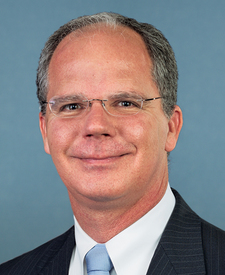
HR8739-119

In Committee

Brownfields Revitalization for a Better Tomorrow Act

119th Congress Introduced May 12, 2026

Summary

What This Bill Does

The Brownfields Revitalization for a Better Tomorrow Act amends CERCLA's brownfields program to expand eligibility, increase grant and loan caps, support small communities, strengthen oversight, reauthorize funding, and require new studies and guidance. It adds 501(c)(6) organizations to the eligible nonprofit category, increases certain remediation funding from $500,000 to $1,000,000 per site, raises a separate cap from $1,000,000 to $2,000,000, and preserves a $500,000 per-site cap for assessment grants awarded on a community-wide or site-by-site basis. It lets grant and loan recipients use up to 10 percent of funds for demolition activities with EPA Administrator approval. It adds grant ranking considerations for brownfield sites on former military installations and for remediation and reuse tied to FAST Act activity categories.

The bill requires EPA to provide one noncompetitive technical-assistance grant to a covered entity in each of fiscal years 2028 and 2029. Each grant must help five covered applicants, selected by EPA, apply for brownfields grants for work in small communities. A covered applicant is an eligible entity that applied for but did not receive a grant in the previous fiscal year and would be helped by the technical assistance. A covered entity is an eligible entity or nonprofit organization with experience applying for and securing federal assistance. EPA's Inspector General must conduct reviews or audits every two years on EPA funds, brownfields grants and loans, and grants to states or Indian tribes under CERCLA section 128(a). EPA must waive certain matching-share requirements when an eligible entity is located in a small community or disadvantaged area. The bill authorizes $123,500,000 for each of fiscal years 2027 through 2031 for CERCLA section 104(k), with 0.5 percent available each year for oversight.

The bill reauthorizes CERCLA section 128 state and tribal brownfields assistance at $46,250,000 for each of fiscal years 2027 through 2031. Each state or Indian tribe receiving a grant must maintain, update at least annually, and publicly provide by location an inventory of all brownfield sites where activities funded under that grant occurred. The bill also requires the Comptroller General to report by September 30, 2028, on revolving loan funds capitalized with brownfields grants during fiscal years 2015 through 2025, including each fund's status and balance, loans or grants provided, and barriers to further lending or grantmaking. EPA must report by September 30, 2030, on the technical-assistance grants for covered applicants and update that report by September 30, 2032.

EPA must report within two years on whether a loan program for brownfield assessment, remediation, and reuse would be feasible and useful, including larger loans, sites with extensive or complex contamination, earlier remediation, and statutory changes needed if the program is feasible. EPA must consult federal agencies, eligible entities, site owners, site developers, and other appropriate entities. The Comptroller General must study barriers to deletion or partial deletion of sites from the National Priorities List, including federal-state coordination, timing impediments, and opportunities to expedite deletion where remedial action is complete. EPA must develop guidance within one year to help federal agencies issue federal authorizations and conduct environmental reviews more efficiently for brownfield projects, considering historic site data, prior NEPA reviews, assessment and remediation data, community engagement, prior site uses, and other appropriate matters, and must update the guidance periodically.

Who Benefits and How

Eligible brownfields entities, 501(c)(6) organizations, small communities, disadvantaged areas, state brownfields programs, Indian tribal brownfields programs, covered applicants that narrowly missed prior grants, former military installation communities, brownfield site owners, brownfield site developers, and communities seeking cleanup and reuse benefit because the bill raises grant and loan caps, expands eligible recipients, authorizes demolition uses, creates noncompetitive technical assistance, waives matching shares for small and disadvantaged areas, reauthorizes funding through fiscal year 2031, and requires guidance to speed federal authorizations and environmental reviews. The public benefits from state and tribal brownfields inventories and from EPA and GAO reports on revolving loan funds, technical assistance, new loan program feasibility, National Priorities List deletion barriers, and program oversight.

Who Bears the Burden and How

The EPA Administrator bears administrative burden because EPA must approve demolition uses, select covered applicants, issue noncompetitive technical-assistance grants, waive matching shares where required, manage $123.5 million per year in CERCLA section 104(k) funding, administer section 128 grants, report on technical assistance, assess a possible loan program, consult affected entities, develop federal authorization guidance, and update that guidance periodically. EPA's Inspector General must conduct biennial reviews or audits, and the Comptroller General must conduct the revolving-loan-fund and National Priorities List deletion studies. States and Indian tribes receiving grants must maintain, update annually, and publish brownfield site inventories. Grant and loan recipients using demolition funds must comply with the 10 percent limit and Administrator approval. Federal taxpayers bear costs from the $123,500,000 per year authorization for fiscal years 2027 through 2031 and the $46,250,000 per year state and tribal assistance authorization.

Key Provisions

  • Adds 501(c)(6) organizations to brownfields nonprofit eligibility and raises selected remediation and cleanup caps to $1 million and $2 million while preserving a $500,000 per-site assessment cap.
  • Allows up to 10 percent of brownfields grant or loan amounts to be used for demolition activities with EPA Administrator approval.
  • Adds grant ranking considerations for former military installations and certain FAST Act-related reuse activities.
  • Requires one noncompetitive technical-assistance grant in fiscal years 2028 and 2029 to help five covered applicants pursue small-community brownfields grants.
  • Requires EPA Inspector General reviews or audits every two years and makes 0.5 percent of annual section 104(k) funding available for oversight.
  • Waives certain matching-share requirements for small communities and disadvantaged areas and authorizes $123,500,000 per year for fiscal years 2027 through 2031 for CERCLA section 104(k).
  • Reauthorizes state and tribal brownfields assistance at $46,250,000 per year for fiscal years 2027 through 2031 and requires public annual site inventories.
  • Requires GAO and EPA reports on revolving loan funds, technical assistance, loan-program feasibility, National Priorities List deletion, and federal authorization guidance for brownfield projects.

Evidence Chain:

This summary is generated from the full bill text using AI analysis. Expand "Detailed Analysis" below for identified beneficiaries/burden bearers with clause-level evidence links.

At a Glance

What This Bill Does

The bill reauthorizes and expands CERCLA brownfields grants, loans, technical assistance, inventories, audits, matching-share waivers, state and tribal assistance, revolving-loan reviews, National Priorities List deletion studies, and EPA permitting guidance to accelerate brownfield assessment, remediation, reuse, and oversight.

Key Policy Areas

Environmental Protection, Economic Development, Housing and Community Development, Government Operations

Primary Purpose

The bill reauthorizes and expands CERCLA brownfields grants, loans, technical assistance, inventories, audits, matching-share waivers, state and tribal assistance, revolving-loan reviews, National Priorities List deletion studies, and EPA permitting guidance to accelerate brownfield assessment, remediation, reuse, and oversight.

Policy Domains

Environmental Protection Economic Development Housing and Community Development Government Operations

GAO studies, EPA reports, loan feasibility, NPL deletion, and federal authorization guidance

Identified Gains
  • Brownfield revolving loan fund grantees
  • Brownfield site developers
  • Federal agencies issuing brownfield project authorizations
  • Congressional oversight committees
Model: codex-gpt-5 | Version: bill_summary_v2 | Source: ih
Brownfield site developers:
Congressional oversight committees:
Brownfield revolving loan fund grantees:
Federal agencies issuing brownfield project authorizations:
Identified Costs
  • Comptroller General
  • Environmental Protection Agency Administrator
  • Federal agencies consulted on brownfield authorization guidance
Model: codex-gpt-5 | Version: bill_summary_v2 | Source: ih
Comptroller General:
Environmental Protection Agency Administrator:
Federal agencies consulted on brownfield authorization guidance:

CERCLA section 104(k) brownfields funding, technical assistance, matching waivers, and oversight

Identified Gains
  • Eligible brownfields grant recipients
  • 501(c)(6) organizations
  • Small communities seeking brownfields grants
  • Disadvantaged areas seeking brownfields grants
  • Former military installation brownfield sites
Model: codex-gpt-5 | Version: bill_summary_v2 | Source: ih
501(c)(6) organizations:
Eligible brownfields grant recipients:
Small communities seeking brownfields grants:
Former military installation brownfield sites:
Disadvantaged areas seeking brownfields grants:
Identified Costs
  • Environmental Protection Agency Administrator
  • EPA Inspector General
  • Federal taxpayers
Model: codex-gpt-5 | Version: bill_summary_v2 | Source: ih
Federal taxpayers:
EPA Inspector General:
Environmental Protection Agency Administrator:

State and tribal brownfields assistance and public inventories

Identified Gains
  • State brownfields programs
  • Indian tribal brownfields programs
  • Public users of brownfield site inventories
Model: codex-gpt-5 | Version: bill_summary_v2 | Source: ih
State brownfields programs:
Indian tribal brownfields programs:
Public users of brownfield site inventories:
Identified Costs
  • States receiving CERCLA section 128 grants
  • Indian tribes receiving CERCLA section 128 grants
  • Federal taxpayers
Model: codex-gpt-5 | Version: bill_summary_v2 | Source: ih
Federal taxpayers:
States receiving CERCLA section 128 grants:
Indian tribes receiving CERCLA section 128 grants:

Legislative Progress

In Committee
Introduced Committee Passed
May 14, 2026

Forwarded by Subcommittee to Full Committee by Voice Vote.

May 14, 2026

Subcommittee Consideration and Mark-up Session Held

May 12, 2026

Referred to the Committee on Energy and Commerce, and in …

May 12, 2026

Introduced in House

May 12, 2026

Mr. Guthrie introduced the following bill; which was referred to …

May 12, 2026

Referred to the Subcommittee on Environment.

Stakeholder Effects

cui bono?

How this legislation distributes effects. Mention counts reflect frequency, not effect magnitude.

Environment
5 mentions across 2 clauses
+4 positive -1 negative

Brownfield revolving loan fund grantees, Eligible brownfields grant recipients, Environmental Protection Agency Administrator

Environmental Protection Agency Administrator faces effects in multiple directions

State & Local Government
3 mentions across 2 clauses
+2 positive -1 negative

Small communities seeking brownfields grants, States maintaining brownfield site inventories, States receiving CERCLA section 128 grants

Positive-direction: Small communities seeking brownfields grants, States receiving CERCLA section 128 grants

Negative-direction: States maintaining brownfield site inventories

Taxpayers
2 mentions across 2 clauses
+1 positive -1 negative

Taxpayers

Taxpayers faces effects in multiple directions

Federal Administration
2 mentions across 1 clause
+1 positive -1 negative

Comptroller General, Federal agencies issuing brownfield project authorizations

Positive-direction: Federal agencies issuing brownfield project authorizations

Negative-direction: Comptroller General

Tribal Nations
2 mentions across 1 clause
+1 positive -1 negative

Indian tribes maintaining brownfield site inventories, Indian tribes receiving CERCLA section 128 grants

Positive-direction: Indian tribes receiving CERCLA section 128 grants

Negative-direction: Indian tribes maintaining brownfield site inventories

Business Associations
1 mention across 1 clause
+1 positive

501(c)(6) organizations seeking brownfields funding

Disadvantaged Communities
1 mention across 1 clause
+1 positive

Disadvantaged areas seeking brownfields grants

Military
1 mention across 1 clause
+1 positive

Former military installation brownfield sites

3/4
sections analyzed
Full impact breakdown

Bill Structure & Actor Mappings

Who is "The Secretary" in each section?

Domains
Environmental Protection Economic Development Government Operations
Actor Mappings
"administrator"
→ Environmental Protection Agency Administrator
"eligible_entities"
→ Eligible brownfields grant and loan recipients
"inspector_general"
→ EPA Inspector General
"small_communities"
→ Small communities
"disadvantaged_areas"
→ Disadvantaged areas
Domains
Environmental Protection Data Transparency Government Operations
Actor Mappings
"public"
→ Public users of brownfields inventories
"states"
→ States receiving CERCLA section 128 grants
"tribes"
→ Indian tribes receiving CERCLA section 128 grants
Domains
Environmental Protection Government Operations Economic Development
Actor Mappings
"congress"
→ Congress and named congressional committees
"administrator"
→ Environmental Protection Agency Administrator
"site_developers"
→ Brownfield site developers
"federal_agencies"
→ Federal agencies issuing authorizations
"comptroller_general"
→ Comptroller General

Key Definitions

Terms defined in this bill

3 terms
"covered entity" §covered_entity

An eligible entity or nonprofit organization with relevant experience and expertise in applying for and securing federal assistance that receives funding under the technical-assistance provision.

"covered applicant" §covered_applicant

An eligible entity that applied for but did not receive a brownfields grant in the prior fiscal year and would be helped by technical assistance in securing such a grant.

"Federal authorization" §federal_authorization

Any federal-law authorization for a project, including permits, special use authorizations, certifications, opinions, or other approvals.

We use a combination of our own taxonomy and classification in addition to large language models to assess meaning and potential beneficiaries. High confidence means strong textual evidence. Always verify with the original bill text.

Learn more about our methodology