CHARLIE Act
Summary
What This Bill Does
The CHARLIE Act amends the American history and civics education program in the Elementary and Secondary Education Act. It says program funds may not be used for discriminatory equity ideology or gender ideology, using definitions from Executive Order 14190 and Executive Order 14168. It also prohibits the Secretary of Education from giving grant priority based on race, sex, sexual orientation, gender identity, or immigration status, including the identity or purpose of the eligible entity, the identity of the people who control, work for, or are served by the entity, or the proposed grant activities.
Who Benefits and How
Applicants opposing race- or gender-based grant preferences benefit because the Secretary may not prioritize history and civics grants on those grounds. State and local education agencies using a neutral application theory benefit from clearer statutory limits. Parents who object to the covered ideologies benefit from a federal funding restriction. Education Department grant reviewers benefit from explicit criteria on what priorities are barred.
Who Bears the Burden and How
History and civics grant recipients must avoid using funds for the defined ideologies. Education Department grant staff must remove barred priority factors from competitions. Organizations seeking priority for race, sex, sexual orientation, gender identity, immigration status, or related program design lose that priority path. Civil rights and gender identity curriculum advocates may face reduced access to this grant stream for covered activities.
Key Provisions
- Prohibits American history and civics funds from being used for discriminatory equity ideology.
- Prohibits those funds from being used for gender ideology.
- Bars grant priority based on race, sex, sexual orientation, gender identity, or immigration status.
- Applies the priority ban to applicant identity, staff, served populations, and proposed activities.
- Uses definitions from Executive Orders 14190 and 14168.
Evidence Chain:
This summary is generated from the full bill text using AI analysis. Expand "Detailed Analysis" below for identified beneficiaries/burden bearers with clause-level evidence links.
At a Glance
What This Bill Does
Bars American history and civics education grant funds from being used for discriminatory equity ideology or gender ideology and prevents the Education Secretary from prioritizing applicants based on race, sex, sexual orientation, gender identity, immigration status, applicant identity, applicant staff or served populations, or proposed activities.
Key Policy Areas
Education, Civil Rights, Federal Grants, K-12 Curriculum
Primary Purpose
Bars American history and civics education grant funds from being used for discriminatory equity ideology or gender ideology and prevents the Education Secretary from prioritizing applicants based on race, sex, sexual orientation, gender identity, immigration status, applicant identity, applicant staff or served populations, or proposed activities.
Policy Domains
House resolution provisions
Identified Gains
- Applicants opposing grant preferences
- State education agencies
- Local education agencies
- Parents objecting to covered ideologies
- Education Department grant reviewers
Identified Costs
- History and civics grant recipients
- Education Department grant staff
- Organizations seeking identity-based priority
- Civil rights curriculum advocates
- Gender identity curriculum advocates
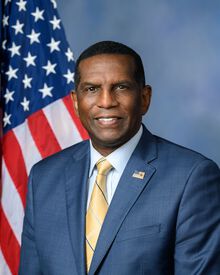
Sponsors
Legislative Progress
ReportedOrdered to be Reported (Amended) by the Yeas and Nays: …
Committee Consideration and Mark-up Session Held
Referred to the House Committee on Education and Workforce.
Introduced in House
Mr. Owens introduced the following bill; which was referred to …
Stakeholder Effects
cui bono?How this legislation distributes effects. Mention counts reflect frequency, not effect magnitude.
Civil rights curriculum advocates, History and civics grant recipients, Parents objecting to covered ideologies
Positive-direction: Parents objecting to covered ideologies
Negative-direction: Civil rights curriculum advocates, History and civics grant recipients
Bill Structure & Actor Mappings
Who is "The Secretary" in each section?
- "education"
- → Secretary of Education
We use a combination of our own taxonomy and classification in addition to large language models to assess meaning and potential beneficiaries. High confidence means strong textual evidence. Always verify with the original bill text.
Learn more about our methodology