To require the Science and Technology Directorate in the Department of Homeland Security to develop greater capacity to detect, identify, and disrupt illicit substances in very low concentrations.
Analysis under review: This bill has generated analysis that may be too generic or incomplete. Clause-level evidence remains available below.
Summary
What This Bill Does
This bill, To require the Science and Technology Directorate in the Department of Homeland Security to develop greater capacity to detect, identify, and disrupt illicit substances in very low concentrations., changes federal law or congressional policy affecting technology companies and users of digital services. The main policy domain is Technology, Immigration, Criminal Justice.
Who Benefits and How
technology companies and users of digital services may benefit from new authority, funding, eligibility, regulatory clarity, or reduced risk created by the bill.
Who Bears the Burden and How
federal implementing agencies, technology companies and users of digital services may take on implementation duties, reporting obligations, compliance costs, or oversight responsibilities.
Key Provisions
- Section H742F742B46CB41A191BE480F0FB1961B: 1. Short titles This Act may be cited as the Detection Equipment and Technology Evaluation to Counter the Threat of Fentanyl and Xylazine Act of 2024 or the...
- Section H998DC034B8FD480C8530FE4DA4FD8A64: 2. Enhancing the capacity to detect and identify drugs such as fentanyl and xylazine Section 302 of the Homeland Security Act of 2002 (6 U.S.C. 182) is...
- Section H8D5C48825C8544D4837200A28749DBFB: 3. Requirements In carrying out section 302(15) of the Homeland Security Act of 2002, as added by section 2, the Under Secretary for Science and Technology...
- Section HA516C94591BF4A6C8EFEAC701B642EA7: 4. Rule of construction Nothing in this Act may be construed to limit the authority of agencies currently managing, overseeing, or otherwise involved in drug...
Evidence Chain:
This summary is generated from the full bill text using AI analysis. Expand "Detailed Analysis" below for identified beneficiaries/burden bearers with clause-level evidence links.
At a Glance
What This Bill Does
This bill, To require the Science and Technology Directorate in the Department of Homeland Security to develop greater capacity to detect, identify, and disrupt illicit substances in very low concentrations., changes federal law or congressional policy affecting technology companies and users of digital services.
Key Policy Areas
Technology, Immigration, Criminal Justice
Primary Purpose
This bill, To require the Science and Technology Directorate in the Department of Homeland Security to develop greater capacity to detect, identify, and disrupt illicit substances in very low concentrations., changes federal law or congressional policy affecting technology companies and users of digital services.
Policy Domains
Whole bill
Identified Gains
- technology companies and users of digital services
Identified Costs
- federal implementing agencies
- technology companies and users of digital services
Sponsors
Legislative Progress
In CommitteeReceived; read twice and referred to the Committee on Homeland …
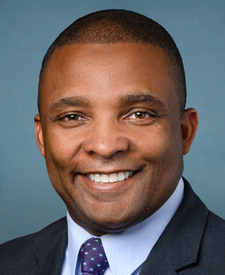
Additional sponsor: Mr. Davis of North Carolina
Committed to the Committee of the Whole House on the …
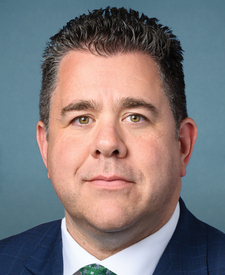
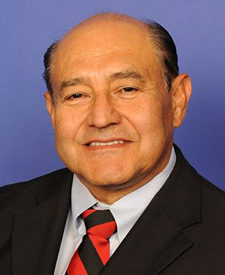
Mr. LaLota (for himself and Mr. Correa) introduced the following …
Impact analysis is available but no clear stakeholder effects identified. View clause-level analysis →
Bill Structure & Actor Mappings
Who is "The Secretary" in each section?
- "federal_implementing_agencies"
- → Federal agencies assigned duties by the bill
We use a combination of our own taxonomy and classification in addition to large language models to assess meaning and potential beneficiaries. High confidence means strong textual evidence. Always verify with the original bill text.
Learn more about our methodology