Foreign Military Financing Loan Authorization Act of 2026
Summary
What This Bill Does
The Foreign Military Financing Loan Authorization Act of 2026 gives the Secretary of State express authority to provide direct loans and loan guarantees to countries or international organizations when the Secretary finds the assistance appropriate and consistent with U.S. national security interests. The financing may support procurement of defense articles, defense services, and design or construction services under the Arms Export Control Act. The Secretary may set interest rates, repayment schedules, and repayment terms for direct loans, while other loan and guarantee terms remain subject to Arms Export Control Act conditions, additional State Department conditions, and congressional appropriations. The bill also allows the Department of State to obligate Foreign Military Sales administrative surcharge funds for Arms Export Control Act activities. Annual reports must identify each loan or guarantee, the recipient, amount, terms, purpose, national security impact, and State Department resource needs.
Who Benefits and How
Eligible foreign partners benefit from access to direct loans and loan guarantees for U.S. defense procurement. U.S. defense exporters benefit if financing makes more foreign defense purchases possible. State Department security assistance staff benefit from explicit authority to use FMS surcharge funds for Arms Export Control Act work. Congressional foreign affairs committees benefit from recurring reports on recipients, terms, purposes, and national security impacts. U.S. national security planners benefit if the loans support partner capability goals.
Who Bears the Burden and How
The Secretary of State must decide eligibility, set loan terms, prescribe conditions, and report annually. State Department financial staff must manage loan, guarantee, and surcharge-fund obligations. Foreign borrowers must repay loans and comply with financing conditions. Defense exporters may face documentation and export-control requirements linked to financed sales. Federal budget officials must account for credit subsidy and appropriations constraints.
Key Provisions
- Authorizes Foreign Military Financing direct loans and loan guarantees.
- Lets the Secretary of State set direct-loan interest rates, repayment schedules, and repayment terms.
- Allows State Department obligation of Foreign Military Sales administrative surcharge funds for Arms Export Control Act activities.
- Requires annual reports on loan recipients, amounts, terms, purposes, national security impacts, and State resource needs.
- Defines covered defense articles, defense services, and design or construction services by Arms Export Control Act definitions.
Evidence Chain:
This summary is generated from the full bill text using AI analysis. Expand "Detailed Analysis" below for identified beneficiaries/burden bearers with clause-level evidence links.
At a Glance
What This Bill Does
Authorizes the Secretary of State to provide Foreign Military Financing direct loans and loan guarantees to countries or international organizations for defense articles, defense services, and design and construction services, permits State to obligate Foreign Military Sales administrative surcharge funds for Arms Export Control Act activities, and requires annual loan and guarantee reporting.
Key Policy Areas
Foreign Military Financing, Arms Sales, State Department, Defense Trade
Primary Purpose
Authorizes the Secretary of State to provide Foreign Military Financing direct loans and loan guarantees to countries or international organizations for defense articles, defense services, and design and construction services, permits State to obligate Foreign Military Sales administrative surcharge funds for Arms Export Control Act activities, and requires annual loan and guarantee reporting.
Policy Domains
House resolution provisions
Identified Gains
- Eligible foreign partners
- U.S. defense exporters
- State Department security assistance staff
- Congressional foreign affairs committees
- U.S. national security planners
Identified Costs
- Secretary of State
- State Department financial staff
- Foreign borrowers
- Defense exporters
- Federal budget officials
Sponsors
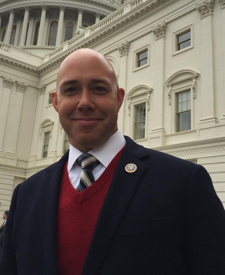
Brian J. Mast
R-FL | Primary Sponsor
Legislative Progress
ReportedOrdered to be Reported (Amended) by the Yeas and Nays: …
Committee Consideration and Mark-up Session Held
Referred to the House Committee on Foreign Affairs.
Introduced in House
Mr. Mast introduced the following bill; which was referred to …
Stakeholder Effects
cui bono?How this legislation distributes effects. Mention counts reflect frequency, not effect magnitude.
Secretary of State, State Department financial staff, State Department security assistance staff
Eligible foreign partners, Foreign borrowers
Positive-direction: Eligible foreign partners
Negative-direction: Foreign borrowers
Bill Structure & Actor Mappings
Who is "The Secretary" in each section?
- "fms"
- → Foreign Military Sales program
- "state"
- → Secretary of State
We use a combination of our own taxonomy and classification in addition to large language models to assess meaning and potential beneficiaries. High confidence means strong textual evidence. Always verify with the original bill text.
Learn more about our methodology