TREY'S Law
Analysis under review: This bill has generated analysis that may be too generic or incomplete. Clause-level evidence remains available below.
Summary
What This Bill Does
This bill, TREY'S Law, changes federal law or congressional policy affecting law enforcement, courts, victims, and regulated public-safety actors. The main policy domain is Criminal Justice, Transportation, Trade.
Who Benefits and How
law enforcement, courts, victims, and regulated public-safety actors may benefit from new authority, funding, eligibility, regulatory clarity, or reduced risk created by the bill.
Who Bears the Burden and How
federal implementing agencies, law enforcement, courts, victims, and regulated public-safety actors may take on implementation duties, reporting obligations, compliance costs, or oversight responsibilities.
Key Provisions
- Section HE4CB2DBCCA7E4FC39A980018DBB2EC29: 1. Short title This Act may be cited as the Terminating Restrictive Enforcement of Youth Settlements Law or TREY'S Law.
- Section HCB197E8EBBDD427083E19F54B419A73B: 2. Findings and purposes Congress finds the following: Sexual abuse of minors, including abuse facilitated through instrumentalities of interstate commerce, is...
- Section H465BAE1274ED490FA0BD89EB9EE2DEFD: 3. Definitions In this Act: The term minor person means an individual who has not attained 18 years of age. The term nondisclosure clause means a provision in...
- Section H4749D29DABD14E8581927D08293FBCC9: 4. Nondisclosure agreements void and unenforceable A nondisclosure clause shall be void and unenforceable as against public policy only to the extent that the...
- Section HD0AE75026828471B97DA09E0E419A8A4: 5. Retroactive application This Act shall apply to any nondisclosure clause in a contract or agreement entered into before, on, or after the date of enactment...
Evidence Chain:
This summary is generated from the full bill text using AI analysis. Expand "Detailed Analysis" below for identified beneficiaries/burden bearers with clause-level evidence links.
At a Glance
What This Bill Does
This bill, TREY'S Law, changes federal law or congressional policy affecting law enforcement, courts, victims, and regulated public-safety actors.
Key Policy Areas
Criminal Justice, Transportation, Trade
Primary Purpose
This bill, TREY'S Law, changes federal law or congressional policy affecting law enforcement, courts, victims, and regulated public-safety actors.
Policy Domains
Whole bill
Identified Gains
- law enforcement, courts, victims, and regulated public-safety actors
Identified Costs
- federal implementing agencies
- law enforcement, courts, victims, and regulated public-safety actors
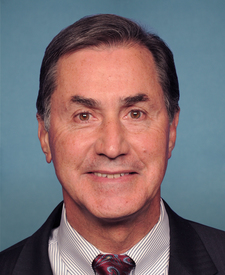
Sponsors




Legislative Progress
In CommitteeReferred to the House Committee on the Judiciary.
Introduced in House
Mr. Gill of Texas (for himself, Ms. Johnson of Texas, …
Impact analysis is available but no clear stakeholder effects identified. View clause-level analysis →
Bill Structure & Actor Mappings
Who is "The Secretary" in each section?
- "federal_implementing_agencies"
- → Federal agencies assigned duties by the bill
We use a combination of our own taxonomy and classification in addition to large language models to assess meaning and potential beneficiaries. High confidence means strong textual evidence. Always verify with the original bill text.
Learn more about our methodology