Commission on Americans Living Abroad Act of 2026
Summary
What This Bill Does
The Commission on Americans Living Abroad Act of 2026 establishes a temporary executive-branch Commission on Americans Living Abroad. The commission has 10 presidentially appointed members, with two members recommended by each of the Speaker of the House, House minority leader, Senate majority leader, and Senate minority leader. No more than six members may be federal officers or employees, no more than six may be from the same political party or appointed through recommendations from one party, federal members must work in areas directly related to the study, and non-federal members must have lived abroad for at least five years, belong to organizations representing U.S. citizens abroad, or have other relevant experience. The President selects the chairperson, the first meeting occurs within 60 days after all members are appointed, and a majority is a quorum.
The commission must study how federal laws and policies affect U.S. citizens living in foreign countries. The study must cover costs and burdens of federal laws, lack of VA benefits and health care access for veterans abroad compared with veterans in the United States, federal financial reporting requirements such as 31 U.S.C. 5314, access to foreign and domestic financial institutions under FATCA and USA PATRIOT Act-related requirements, citizenship requirements for noncitizen spouses and family members, voting in federal, state, and local elections, interactions with Social Security and Medicare, agency jurisdiction over programs serving U.S. citizens abroad, tax and information-reporting effects on retirement savings and foreign financial products, policies affecting remittances, and policies affecting U.S. citizens abroad who establish and own small or medium-sized businesses. The commission must consult organizations that represent U.S. citizens living abroad, report to the President and Congress within one year with findings, conclusions, and recommendations to reduce tax and compliance costs, increase access to federal services, and propose legislative or administrative actions, and submit a one-year update on agency administrative actions.
The commission may hold hearings, sit and act at times and places it chooses, take testimony, receive evidence, delegate powers to authorized members or agents, secure information directly from federal departments or agencies subject to Internal Revenue Code section 6103, require agency heads to furnish requested information, and use the U.S. mails like other federal agencies. Non-federal commission members are paid at the daily equivalent of Executive Schedule level IV for service days, federal members receive no extra compensation, all members may receive travel expenses, the chairperson may hire and terminate an executive director and other staff without ordinary civil-service and General Schedule classification rules, federal employees may be detailed without reimbursement, and temporary or intermittent experts may be procured. Affected federal agency heads must respond within 180 days after the commission's report with responses and any plans for administrative action. The commission terminates when it submits the update report, and $2 million is authorized for each of fiscal years 2027 and 2028.
Who Benefits and How
U.S. citizens living abroad benefit because the commission must study specific burdens they face from federal tax filing, information reporting, FATCA, financial institution access, remittances, voting, citizenship for family members, retirement savings, foreign financial products, Social Security, Medicare, VA health care, and small or medium-sized business ownership. Veterans living abroad benefit because the study must compare their VA benefits and health care access with veterans residing on U.S. soil. Overseas business owners, overseas retirees, families with noncitizen spouses or children, organizations representing U.S. citizens abroad, and U.S. citizens abroad trying to vote benefit from a formal channel for evidence, consultation, recommendations, and agency responses. Congress and the President benefit from findings and recommendations on which agencies serve U.S. citizens abroad and how coordination and service access might improve.
Who Bears the Burden and How
The commission, its chairperson, appointed members, executive director, and staff bear administrative burden because they must conduct the study, consult organizations, hold hearings, take testimony, request evidence, prepare the first report, transmit recommendations to affected agencies, and submit the follow-up update. Federal departments and agencies that hold relevant information must comply with information requests and affected agency heads must submit responses and plans within 180 days. The President and congressional leaders must make or recommend appointments. Federal employees detailed to the commission may be shifted from their regular duties. Federal taxpayers bear costs from member compensation, travel expenses, staff, experts, commission operations, and the $2 million per year authorization for fiscal years 2027 and 2028.
Key Provisions
- Establishes a temporary executive-branch Commission on Americans Living Abroad.
- Creates a 10-member appointment structure with presidential appointments, congressional leadership recommendations, party-balance limits, federal-member limits, and experience requirements for non-federal members.
- Requires the commission to study federal taxes, financial reporting, FATCA, banking access, VA benefits and health care, Social Security, Medicare, voting, citizenship for family members, remittances, retirement savings, foreign financial products, agency jurisdiction, and overseas small and medium-sized businesses.
- Requires consultation with organizations representing U.S. citizens abroad, a one-year report with recommendations, and a one-year update on agency administrative actions.
- Authorizes hearings, testimony, evidence collection, federal agency information requests, use of the U.S. mails, member compensation, travel expenses, hiring of staff, federal employee details, and temporary or intermittent expert services.
- Requires affected federal agencies to respond within 180 days after the commission report and identify any administrative action plans.
- Terminates the commission after the update report and authorizes $2 million for each of fiscal years 2027 and 2028.
Evidence Chain:
This summary is generated from the full bill text using AI analysis. Expand "Detailed Analysis" below for identified beneficiaries/burden bearers with clause-level evidence links.
At a Glance
What This Bill Does
The bill creates a temporary executive-branch Commission on Americans Living Abroad to study how federal laws, taxes, benefits, health care, financial reporting, voting, citizenship, remittance, and small-business policies affect U.S. citizens overseas, recommend changes, require agency responses, and operate with $2 million per year for fiscal years 2027 and 2028.
Key Policy Areas
Government Operations, Tax, Financial Regulation, Veterans, Elections, Foreign Affairs
Primary Purpose
The bill creates a temporary executive-branch Commission on Americans Living Abroad to study how federal laws, taxes, benefits, health care, financial reporting, voting, citizenship, remittance, and small-business policies affect U.S. citizens overseas, recommend changes, require agency responses, and operate with $2 million per year for fiscal years 2027 and 2028.
Policy Domains
Commission establishment, membership, meetings, and quorum
Identified Gains
- United States citizens living in foreign countries
- Organizations representing United States citizens abroad
- Congress and the President
Identified Costs
Contextual inference, no direct clause citation- President
- House and Senate leadership offices
- Commission appointees
Contextual inference, no direct clause citation
Study of federal laws and policies affecting Americans abroad
Identified Gains
- United States citizens living abroad
- Veterans living abroad
- Overseas U.S. citizen small and medium-sized business owners
- Organizations representing United States citizens abroad
Identified Costs
- Commission on Americans Living Abroad
- Federal departments and agencies affected by recommendations
Commission powers, personnel, funding, agency information, responses, and termination
Identified Gains
- Commission on Americans Living Abroad
- Congress and the President
Identified Costs
- Federal departments and agencies furnishing information
- Commission chairperson
- Federal taxpayers
Sponsors
Legislative Progress
In CommitteeReferred to the Committee on Oversight and Government Reform, and …
Introduced in House
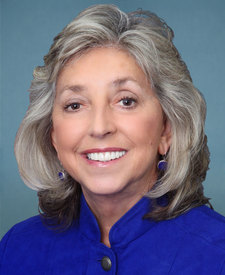
Ms. Titus (for herself, Mr. Beyer, Ms. Norton, Mr. Mullin, …
Stakeholder Effects
cui bono?How this legislation distributes effects. Mention counts reflect frequency, not effect magnitude.
Commission chairperson, Commission executive director and staff, Commission on Americans Living Abroad
Commission on Americans Living Abroad faces effects in multiple directions
Positive-direction: Commission executive director and staff, Internal Revenue Service tax-return confidentiality interests, President receiving agency responses
Negative-direction: Commission chairperson, Executive branch commission administration, Federal departments and agencies affected by Commission recommendations, Federal departments and agencies furnishing information
Taxpayers
Taxpayers faces effects in multiple directions
U.S. citizens abroad facing FATCA banking barriers, United States citizens living abroad with tax filing burdens, United States citizens living in foreign countries
Federal employees detailed to the Commission
U.S. citizens abroad with noncitizen family members
Bill Structure & Actor Mappings
Who is "The Secretary" in each section?
- "speaker"
- → Speaker of the House
- "president"
- → President
- "commission"
- → Commission on Americans Living Abroad
- "house_minority"
- → House minority leader
- "senate_majority"
- → Senate majority leader
- "senate_minority"
- → Senate minority leader
- "commission"
- → Commission on Americans Living Abroad
- "veterans_abroad"
- → Veterans living abroad
- "americans_abroad"
- → United States citizens living in foreign countries
- "federal_agencies"
- → Federal departments and agencies serving United States citizens abroad
- "representative_orgs"
- → Organizations representing United States citizens abroad
- "commission"
- → Commission on Americans Living Abroad
- "chairperson"
- → Chairperson of the Commission
- "federal_agencies"
- → Federal departments and agencies
- "federal_taxpayers"
- → Federal taxpayers
- "commission_members"
- → Commission members
Key Definitions
Terms defined in this bill
The Commission on Americans Living Abroad established in the executive branch.
The citizens whose tax, reporting, benefits, voting, financial, family citizenship, remittance, and business issues the commission must study.
We use a combination of our own taxonomy and classification in addition to large language models to assess meaning and potential beneficiaries. High confidence means strong textual evidence. Always verify with the original bill text.
Learn more about our methodology