Safe and Smart Federal Purchasing Act
Summary
What This Bill Does
The Safe and Smart Federal Purchasing Act directs the Office of Management and Budget Director to review procurement management practices of defense and civilian agencies. The review must determine whether the lowest price technically acceptable source-selection process in Federal Acquisition Regulation section 15.101-2 has created national-security risk. Within 180 days after enactment, OMB must submit a report on the review to the House Oversight and Government Reform Committee and the Senate Homeland Security and Governmental Affairs Committee.
Who Benefits and How
National-security procurement officials, mission-critical federal programs, higher-quality government contractors, cybersecurity contractors, defense contractors competing on technical quality, House Oversight Committee staff, and Senate Homeland Security Committee staff benefit because the review can identify whether LPTA buying rules create security vulnerabilities or undervalue technical performance.
Who Bears the Burden and How
The Office of Management and Budget, defense agency procurement offices, civilian agency procurement offices, contracting officers using LPTA, low-cost government contractors, and Federal Acquisition Regulation policy staff bear review and potential policy-change burdens because OMB must analyze practices and report whether the FAR method creates national-security risk.
Key Provisions
- Requires OMB to review defense and civilian agency procurement practices using lowest-price technically acceptable source selection.
- Requires the review to determine whether FAR section 15.101-2 has created national-security risk.
- Requires a report to House Oversight and Senate Homeland Security committees within 180 days.
- Defines defense and civilian agency by reference to title 41 agency definitions.
- Defines Director as the Director of the Office of Management and Budget.
Evidence Chain:
This summary is generated from the full bill text using AI analysis. Expand "Detailed Analysis" below for identified beneficiaries/burden bearers with clause-level evidence links.
At a Glance
What This Bill Does
Requires OMB to review defense and civilian agency use of the Federal Acquisition Regulation's lowest-price technically acceptable source-selection method to determine whether it has created national-security risks, and to report results to House Oversight and Senate Homeland Security committees within 180 days.
Key Policy Areas
Government Procurement, National Security, Federal Contracting
Primary Purpose
Requires OMB to review defense and civilian agency use of the Federal Acquisition Regulation's lowest-price technically acceptable source-selection method to determine whether it has created national-security risks, and to report results to House Oversight and Senate Homeland Security committees within 180 days.
Policy Domains
Substantive provisions
Identified Gains
- National-security procurement officials
- Mission-critical federal programs
- Higher-quality government contractors
- Cybersecurity contractors
- Defense contractors competing on technical quality
- House Oversight Committee staff
- Senate Homeland Security Committee staff
Identified Costs
- Office of Management and Budget
- Defense agency procurement offices
- Civilian agency procurement offices
- Contracting officers using LPTA
- Low-cost government contractors
- Federal Acquisition Regulation policy staff
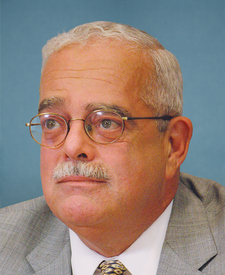
Sponsors

Legislative Progress
Passed HouseReceived; read twice and referred to the Committee on Homeland …
Passed House (inferred from eh version)
Received in the Senate and Read twice and referred to …
Motion to reconsider laid on the table Agreed to without …
On motion to suspend the rules and pass the bill …
Passed/agreed to in House: On motion to suspend the rules …
Considered as unfinished business. (consideration: CR H937-938)
At the conclusion of debate, the Yeas and Nays were …
DEBATE - The House proceeded with forty minutes of debate …
Considered under suspension of the rules. (consideration: CR H932-933)
Stakeholder Effects
cui bono?How this legislation distributes effects. Mention counts reflect frequency, not effect magnitude.
Civilian agency procurement offices, Defense agency procurement offices, Higher-quality government contractors
Positive-direction: Higher-quality government contractors, House Oversight Committee staff, Senate Homeland Security Committee staff
Negative-direction: Civilian agency procurement offices, Defense agency procurement offices, Low-cost government contractors, Office of Management and Budget
Bill Structure & Actor Mappings
Who is "The Secretary" in each section?
- "omb"
- → Office of Management and Budget
- "lpta"
- → lowest price technically acceptable
We use a combination of our own taxonomy and classification in addition to large language models to assess meaning and potential beneficiaries. High confidence means strong textual evidence. Always verify with the original bill text.
Learn more about our methodology