To ensure electric vehicle companies do not use child or slave labor in the manufacture of, or sourcing of materials for, electric vehicles.
Analysis under review: This bill has generated analysis that may be too generic or incomplete. Clause-level evidence remains available below.
Summary
What This Bill Does
This bill, To ensure electric vehicle companies do not use child or slave labor in the manufacture of, or sourcing of materials for, electric vehicles., changes federal law or congressional policy affecting importers, exporters, and commercial firms. The main policy domain is Trade, Finance, Transportation.
Who Benefits and How
importers, exporters, and commercial firms may benefit from new authority, funding, eligibility, regulatory clarity, or reduced risk created by the bill.
Who Bears the Burden and How
federal implementing agencies, importers, exporters, and commercial firms may take on implementation duties, reporting obligations, compliance costs, or oversight responsibilities.
Key Provisions
- Section H3E6B91F0BE7E43AB960AA1EEF714078D: 1. Short title This Act may be cited as the EV Fair Trade Act of 2024.
- Section HFF393CAB83A244F69A58F2E7B26B01FB: 2. Prohibition of Grant Beginning on the later of the date that is 2 years after the date of enactment or the date on which the database required under section...
- Section HDE87F25EB1A641D4AD3F975134CE4D13: 3. Certifications A representative of an electric vehicle company shall submit a certification to the Bureau of International Labor Affairs in a form and...
- Section H6BDC80698A724C6B83810B6688F9BDA7: 4. Audits On an annual basis, the Secretary, acting through the Bureau and in consultation with the Secretary of Homeland Security, shall conduct an audit, on...
- Section H79354251EEEB4056B02BFB1FFFF31487: 5. False certification allegations Any individual may submit a report to the Bureau alleging that a certification is false. The Secretary shall review a report...
Evidence Chain:
This summary is generated from the full bill text using AI analysis. Expand "Detailed Analysis" below for identified beneficiaries/burden bearers with clause-level evidence links.
At a Glance
What This Bill Does
This bill, To ensure electric vehicle companies do not use child or slave labor in the manufacture of, or sourcing of materials for, electric vehicles., changes federal law or congressional policy affecting importers, exporters, and commercial firms.
Key Policy Areas
Trade, Finance, Transportation
Primary Purpose
This bill, To ensure electric vehicle companies do not use child or slave labor in the manufacture of, or sourcing of materials for, electric vehicles., changes federal law or congressional policy affecting importers, exporters, and commercial firms.
Policy Domains
Whole bill
Identified Gains
- importers, exporters, and commercial firms
Identified Costs
- federal implementing agencies
- importers, exporters, and commercial firms
Sponsors
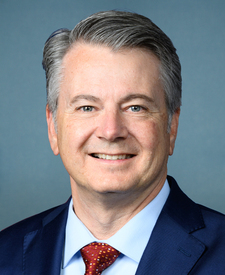
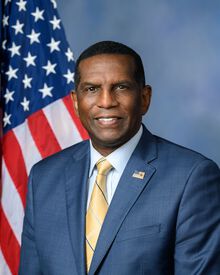
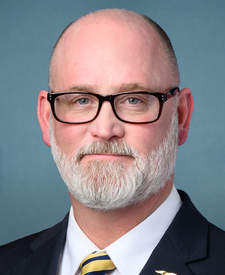
Legislative Progress
IntroducedMr. Duarte (for himself, Mr. Van Orden, and Mr. Owens) …
Impact analysis is available but no clear stakeholder effects identified. View clause-level analysis →
Bill Structure & Actor Mappings
Who is "The Secretary" in each section?
- "secretary_of_labor"
- → Secretary of Labor
- "secretary_of_homeland_security"
- → Secretary of Homeland Security
Key Definitions
Terms defined in this bill
the Secretary of Labor. The term slave or child labor has the meaning given— the term oppressive child labor in section 3(l) of the Fair Labor Standards Act of 1938 (29 U.S.C. 203(l))
We use a combination of our own taxonomy and classification in addition to large language models to assess meaning and potential beneficiaries. High confidence means strong textual evidence. Always verify with the original bill text.
Learn more about our methodology