To require the United States Executive Director at the International Monetary Fund to advocate for increased transparency with respect to exchange rate policies of the People’s Republic of China, and for other purposes.
Sponsors




Legislative Progress
ReportedAdditional sponsors: Mr. Nickel, Mr. Lawler, Ms. Lee of Nevada, …
Reported with an amendment, committed to the Committee of the …
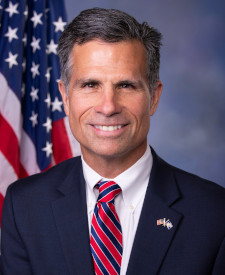
Mr. Meuser (for himself, Mr. Donalds, and Mr. Loudermilk) introduced …
Summary
What This Bill Does
Directs the Treasury Secretary to instruct the US representative at the IMF to push for greater transparency in Chinas currency and foreign exchange practices. Responds to Treasury concerns about Chinas exchange rate manipulation.
Who Benefits and How
US manufacturers and exporters benefit from potential pressure on China to be more transparent about currency practices that may disadvantage American goods. International financial markets gain better data on Chinese currency interventions.
Who Bears the Burden and How
China faces diplomatic pressure to disclose more about its foreign exchange operations. US-China relations may be strained by increased scrutiny of currency practices.
Key Provisions
- Requires US IMF director to advocate for China exchange rate transparency
- Mandates push for disclosure of foreign exchange intervention
- Calls for rigorous IMF analysis of Chinese currency practices
Evidence Chain:
This summary is derived from the structured analysis below. See "Detailed Analysis" for per-title beneficiaries/burden bearers with clause-level evidence links.
Primary Purpose
Requires US to advocate at IMF for greater transparency in Chinas exchange rate practices
Policy Domains
Legislative Strategy
"Use IMF pressure for China currency transparency"
Bill Structure & Actor Mappings
Who is "The Secretary" in each section?
- "us_ed"
- → US Executive Director at IMF
- "secretary"
- → Secretary of the Treasury
We use a combination of our own taxonomy and classification in addition to large language models to assess meaning and potential beneficiaries. High confidence means strong textual evidence. Always verify with the original bill text.
Learn more about our methodology