To amend the Internal Revenue Code of 1986 to prohibit certain tax-exempt organizations from providing funding for election administration.
Sponsors
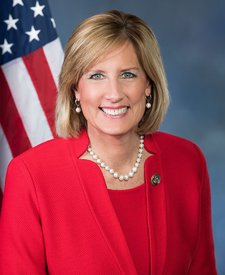
Claudia Tenney
R-NY | Primary Sponsor
Legislative Progress
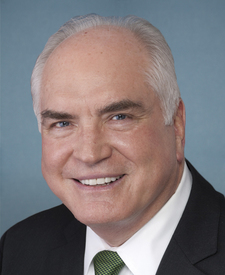
ReportedAdditional sponsor: Mr. Kelly of Pennsylvania
Reported with an amendment, committed to the Committee of the …
Ms. Tenney introduced the following bill; which was referred to …
Summary
What This Bill Does
Prohibits tax-exempt 501(c)(3) organizations from providing funding to state or local governments for election administration. Known as the Zuckerbucks ban after 2020 private election funding.
Who Benefits and How
Election integrity advocates achieve ban on private election funding. State and local elections remove appearance of private influence. Conservative groups achieve policy goal from 2020 concerns.
Who Bears the Burden and How
Election jurisdictions lose private funding sources. Philanthropies cannot fund election infrastructure. Underfunded election offices may struggle with resources.
Key Provisions
- Bans 501(c)(3) direct funding for election administration
- Bars indirect funding reasonably expected for election use
- Preserves donation of polling place space
Evidence Chain:
This summary is derived from the structured analysis below. See "Detailed Analysis" for per-title beneficiaries/burden bearers with clause-level evidence links.
Primary Purpose
Prohibits 501(c)(3) organizations from funding election administration
Policy Domains
Legislative Strategy
"Ban private funding of election administration"
Bill Structure & Actor Mappings
Who is "The Secretary" in each section?
We use a combination of our own taxonomy and classification in addition to large language models to assess meaning and potential beneficiaries. High confidence means strong textual evidence. Always verify with the original bill text.
Learn more about our methodology