Protecting Americans’ Retirement Savings From Politics Act
Summary
What This Bill Does
The Protecting Americans' Retirement Savings From Politics Act changes SEC rules around issuer disclosures, proxy advice, proxy voting, and investment advice. It limits new Securities Act and Exchange Act disclosure rulemaking so issuers need disclose only information they determine is material to voting or investment decisions, using the familiar substantial-likelihood total-mix standard. It creates a Public Company Advisory Committee at the SEC with 10 to 20 members drawn from public-company officers, trade associations, and professional advisers, excluding asset-management, broker-dealer, proxy-services, and similar public companies, and bars the committee from advising on enforcement. It directs the SEC to study the detrimental impact of EU corporate sustainability due diligence and reporting directives on U.S. companies, consumers, investors, and the economy, including extraterritorial legal bases, and allows the SEC to request data from private entities. It requires proxy advisory firms to register with the SEC, certify accuracy and best-economic-interest procedures, disclose conflicts, staff qualifications, organizational structure, ethics codes, methodologies, and related information, and comply with SEC registration, review, conflict, and reporting rules. It treats material omissions or misstatements in fee-based proxy voting advice as false or misleading. It requires institutional investment managers that use proxy advisory firms to file annual proxy-vote reports, disclose consistency with proxy-adviser recommendations, explain fiduciary reconciliation, and certify that voting decisions were based solely on shareholders' best economic interest. It directs investment advisers voting passively managed fund shares to follow beneficial-owner instructions, issuer board recommendations, abstain while seeking quorum presence, or mirror other shareholders under SEC rules, with liability protections and foreign-private-issuer exemptions. It also requires personalized investment advice to base best interest on pecuniary factors unless the customer consents to nonpecuniary factors or the written profile supports them, with disclosure of potential pecuniary effects.
Who Benefits and How
Public companies benefit from materiality limits on SEC disclosure mandates and a new advisory committee channel focused on public reporting, governance, proxy process, trading, and capital formation. Retail investors benefit from pecuniary-factor protections in personalized investment advice and disclosures when nonpecuniary factors are prioritized. Beneficial owners in passive funds benefit from more control over proxy voting or from default approaches tied to issuer recommendations, abstention, or mirror voting. Institutional investment clients benefit from annual reports explaining how managers use proxy advisory firm recommendations and certify best-economic-interest voting. SEC commissioners benefit from formal advice from public-company representatives and data on EU sustainability-directive effects. Corporate issuers benefit from proxy-adviser registration, conflict disclosures, false-or-misleading treatment, and opportunities for voting practices to be more transparent.
Who Bears the Burden and How
Proxy advisory firms must register with the SEC, file extensive applications, certify advice quality, disclose conflicts and methodologies, maintain policies, and face false-or-misleading liability for material omissions or misstatements. Institutional investment managers must report proxy-adviser use, vote consistency, fiduciary reconciliation, error-related vote changes, investment-professional involvement, and best-economic-interest certifications. Investment advisers for passive funds must change proxy-voting processes, collect owner instructions or select other statutory options, and follow SEC mirror-voting rules when adopted. Broker dealers and investment advisers giving personalized advice must document pecuniary factors, obtain informed consent for nonpecuniary factors, and provide qualitative disclosures. SEC staff must write rules, review registrations, manage the Public Company Advisory Committee, conduct the EU directives study, and process new reports. EU sustainability-directive supporters face U.S. scrutiny of extraterritorial effects on U.S. companies and investors.
Key Provisions
- Limits SEC issuer-disclosure mandates to information the issuer determines is material to voting or investment decisions.
- Establishes a Public Company Advisory Committee at the SEC with public-company and adviser representation.
- Requires an SEC study and report on EU corporate sustainability due diligence and reporting directives.
- Requires proxy advisory firms to register, certify advice practices, disclose conflicts, and provide methodology and qualification information.
- Treats material proxy-advice omissions or misstatements as false or misleading under Exchange Act proxy rules.
- Requires institutional investment managers to report proxy-adviser use and certify shareholder best-economic-interest voting.
- Directs proxy voting for passively managed funds through owner instructions, issuer recommendations, abstention, or SEC mirror-voting rules with liability protections.
- Requires personalized investment advice to prioritize pecuniary factors unless customer consent or the written investment profile supports nonpecuniary factors.
Evidence Chain:
This summary is generated from the full bill text using AI analysis. Expand "Detailed Analysis" below for identified beneficiaries/burden bearers with clause-level evidence links.
At a Glance
What This Bill Does
Rewrites several SEC disclosure, proxy-advice, proxy-voting, and investment-advice rules by limiting new issuer disclosure mandates to issuer-determined material information, creating a Public Company Advisory Committee, requiring an SEC study of European sustainability due diligence and reporting directives, mandating registration and conflict controls for proxy advisory firms, treating proxy-advice omissions and misstatements as materially false or misleading, requiring institutional investment managers to report proxy-adviser use and certify best-economic-interest voting, directing passively managed funds to vote proxies by owner instructions, issuer recommendations, abstention, or SEC mirror-voting rules with liability protection, and requiring personalized retail investment advice to prioritize pecuniary factors unless the customer consents or the written profile supports nonpecuniary factors.
Key Policy Areas
Securities Regulation, Retirement Savings, Corporate Governance, Investment Advice
Primary Purpose
Rewrites several SEC disclosure, proxy-advice, proxy-voting, and investment-advice rules by limiting new issuer disclosure mandates to issuer-determined material information, creating a Public Company Advisory Committee, requiring an SEC study of European sustainability due diligence and reporting directives, mandating registration and conflict controls for proxy advisory firms, treating proxy-advice omissions and misstatements as materially false or misleading, requiring institutional investment managers to report proxy-adviser use and certify best-economic-interest voting, directing passively managed funds to vote proxies by owner instructions, issuer recommendations, abstention, or SEC mirror-voting rules with liability protection, and requiring personalized retail investment advice to prioritize pecuniary factors unless the customer consents or the written profile supports nonpecuniary factors.
Policy Domains
House resolution provisions
Identified Gains
- Public companies
- Retail investors
- Beneficial owners in passive funds
- Institutional investment clients
- SEC commissioners
- Corporate issuers
- Public Company Advisory Committee members
Identified Costs
- Proxy advisory firms
- Institutional investment managers
- Investment advisers for passive funds
- Broker dealers giving personalized advice
- SEC staff
- EU sustainability directive supporters
Sponsors


Legislative Progress
ReportedPlaced on the Union Calendar, Calendar No. 618.
Reported (Amended) by the Committee on Financial Services. H. Rept. …
Ordered to be Reported by the Yeas and Nays: 27 …
Committee Consideration and Mark-up Session Held
Referred to the House Committee on Financial Services.
Introduced in House
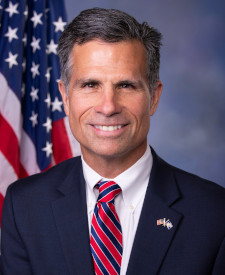
Mr. Steil (for himself and Mrs. Wagner) introduced the following …
Stakeholder Effects
cui bono?How this legislation distributes effects. Mention counts reflect frequency, not effect magnitude.
Beneficial owners in passive funds, Broker dealers giving personalized advice, Corporate issuers
Positive-direction: Beneficial owners in passive funds, Corporate issuers, Institutional investment clients, Public Company Advisory Committee members, Public companies, Retail investors, U.S. companies affected by EU directives
Negative-direction: Broker dealers giving personalized advice, Institutional investment managers, Investment advisers for passive funds, Investment advisers giving personalized advice, Proxy advisory firms
SEC commissioners, SEC enforcement staff, SEC rulemaking staff
Positive-direction: SEC commissioners
Negative-direction: SEC enforcement staff, SEC rulemaking staff, SEC staff
Bill Structure & Actor Mappings
Who is "The Secretary" in each section?
- "sec"
- → Securities and Exchange Commission
- "advisers"
- → Investment advisers for passive funds
- "committee"
- → SEC Public Company Advisory Committee
We use a combination of our own taxonomy and classification in addition to large language models to assess meaning and potential beneficiaries. High confidence means strong textual evidence. Always verify with the original bill text.
Learn more about our methodology