SERV Act
Summary
What This Bill Does
The SERV Act amends the Small Business Act to require the SBA Administrator, alongside annual budget justification documents, to report on appointments to and activities of the veterans interagency task force. The report must identify and outline an outreach and promotion plan for programs and services for veterans, including Veteran Business Outreach Centers, Boots to Business, Boots to Business Reboot, Service-Disabled Entrepreneurship Development Training Program, Veteran Institute for Procurement, Women Veteran Entrepreneurship Training Program, and Veteran Women Igniting the Spirit of Entrepreneurship.
The bill also requires the Comptroller General to report within one year on the ability of covered-individual-owned small businesses to access credit. Covered individuals include veterans, service-disabled veterans, Reservists, spouses of those individuals, and spouses of Armed Forces members. GAO must analyze sources of credit, average credit shares, default rates compared with small businesses generally, available federal lending programs, gaps not filled by government or private lenders, access obstacles, deployment and military-responsibility effects on credit history, and awareness of federal credit programs. No additional funds are authorized.
Who Benefits and How
Veteran entrepreneurs, service-disabled veteran business owners, Reservist business owners, military spouse business owners, Veteran Business Outreach Centers, Boots to Business participants, Women Veteran Entrepreneurship Training participants, Veteran Institute for Procurement participants, Senate Veterans' Affairs Committee staff, House Veterans' Affairs Committee staff, and congressional small-business committees benefit because the bill exposes whether veteran entrepreneurship outreach and credit programs are reaching the intended groups.
Who Bears the Burden and How
The Small Business Administration, SBA veteran-business program staff, veterans interagency task force members, SBA budget staff, Government Accountability Office analysts, federal lending program managers, private lenders, and covered small business owners surveyed by GAO must prepare reports, collect lending data, analyze default rates and credit gaps, document outreach plans, respond to GAO information requests, and carry out the work without additional appropriations.
Key Provisions
- Requires annual SBA reporting on veterans interagency task force appointments and activities.
- Requires SBA outreach plans for Veteran Business Outreach Centers, Boots to Business, service-disabled entrepreneurship training, Veteran Institute for Procurement, and women veteran entrepreneurship programs.
- Requires GAO to report within one year on credit access for covered-individual-owned small businesses.
- Requires GAO analysis of credit sources, default rates, federal lending programs, gaps, obstacles, deployment effects, and program awareness.
- Defines covered individuals to include veterans, service-disabled veterans, Reservists, military spouses, and spouses of veterans or Reservists.
- Bars additional appropriations for implementation.
Evidence Chain:
This summary is generated from the full bill text using AI analysis. Expand "Detailed Analysis" below for identified beneficiaries/burden bearers with clause-level evidence links.
At a Glance
What This Bill Does
Requires SBA to include annual reporting on the veterans interagency task force and outreach plans for veteran entrepreneurship programs in budget justification materials, and requires GAO to report within one year on credit access for veteran, service-disabled veteran, Reservist, and military-spouse-owned small businesses.
Key Policy Areas
Small Business, Veterans, Access to Credit, Government Oversight
Primary Purpose
Requires SBA to include annual reporting on the veterans interagency task force and outreach plans for veteran entrepreneurship programs in budget justification materials, and requires GAO to report within one year on credit access for veteran, service-disabled veteran, Reservist, and military-spouse-owned small businesses.
Policy Domains
Substantive provisions
Identified Gains
- Veteran entrepreneurs
- Service-disabled veteran business owners
- Reservist business owners
- Military spouse business owners
- Veteran Business Outreach Centers
- Boots to Business participants
- Women Veteran Entrepreneurship Training participants
- Veteran Institute for Procurement participants
- Senate Veterans' Affairs Committee staff
- House Veterans' Affairs Committee staff
- Congressional small-business committees
Identified Costs
- Small Business Administration
- SBA veteran-business program staff
- Veterans interagency task force members
- SBA budget staff
- Government Accountability Office analysts
- Federal lending program managers
- Private lenders
- Covered small business owners surveyed by GAO
Sponsors



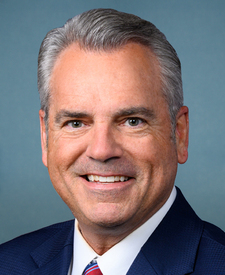
Legislative Progress
Passed HouseReceived; read twice and referred to the Committee on Small …
Passed House (inferred from eh version)
Received in the Senate and Read twice and referred to …
Motion to reconsider laid on the table Agreed to without …
On motion to suspend the rules and pass the bill …
Passed/agreed to in House: On motion to suspend the rules …
DEBATE - The House proceeded with forty minutes of debate …
Considered under suspension of the rules. (consideration: CR H746-748)
Mr. Williams (TX) moved to suspend the rules and pass …
Ms. Davids of Kansas (for herself, Mr. Alford, and Mr. …
Stakeholder Effects
cui bono?How this legislation distributes effects. Mention counts reflect frequency, not effect magnitude.
Boots to Business participants, Military spouse business owners, Reservist business owners
Congressional small-business committees, Federal lending program managers, Government Accountability Office analysts
Positive-direction: Congressional small-business committees
Negative-direction: Federal lending program managers, Government Accountability Office analysts, SBA veteran-business program staff, Small Business Administration, Veterans interagency task force members
Bill Structure & Actor Mappings
Who is "The Secretary" in each section?
- "gao"
- → Government Accountability Office
- "sba"
- → Small Business Administration
We use a combination of our own taxonomy and classification in addition to large language models to assess meaning and potential beneficiaries. High confidence means strong textual evidence. Always verify with the original bill text.
Learn more about our methodology