To improve menopause care and mid-life women’s health, and for other purposes.
Analysis under review: This bill has generated analysis that may be too generic or incomplete. Clause-level evidence remains available below.
Summary
What This Bill Does
This bill creates a comprehensive federal effort to address menopause and mid-life women's health. It directs NIH to coordinate and expand research on menopausal symptoms and related health outcomes, creates new grant programs for public health promotion and clinical training, and establishes Centers of Excellence for menopause care.
Who Benefits and How
Women experiencing perimenopause and menopause benefit from expanded research on symptoms and treatments, increased public awareness, and improved provider training. Medical schools, teaching hospitals, and health systems gain access to new grants for research, training programs, and designation as Centers of Excellence. Healthcare providers benefit from expanded continuing education opportunities and clinical training programs.
Who Bears the Burden and How
HHS and NIH must coordinate and implement multiple new programs, maintain a public health dashboard, and submit annual reports to Congress. The federal budget absorbs costs for the new research grants, training programs, and public health awareness campaigns.
Key Provisions
- NIH coordinates expanded research on menopausal symptoms and chronic conditions
- Grants for public health departments and healthcare entities to improve menopause care
- Training grants for medical schools, hospitals, and nursing programs
- Centers of Excellence designation for entities advancing menopause care
Evidence Chain:
This summary is generated from the full bill text using AI analysis. Expand "Detailed Analysis" below for identified beneficiaries/burden bearers.
At a Glance
What This Bill Does
Expands federal research, public health programs, healthcare training, and Centers of Excellence to improve menopause care and mid-life women's health outcomes
Key Policy Areas
Healthcare, Medical Research, Women's Health
Primary Purpose
Expands federal research, public health programs, healthcare training, and Centers of Excellence to improve menopause care and mid-life women's health outcomes
Policy Domains
Reporting and Coordination
Identified Gains
Contextual inference, no direct clause citation- Congress
- Federal agencies
Contextual inference, no direct clause citation
Identified Costs
Contextual inference, no direct clause citation- HHS reporting staff
Contextual inference, no direct clause citation
Research Programs
Identified Gains
Contextual inference, no direct clause citation- Women experiencing menopause
- Medical researchers
- Teaching hospitals and medical schools
Contextual inference, no direct clause citation
Identified Costs
Contextual inference, no direct clause citation- NIH Office of Research on Women's Health
Contextual inference, no direct clause citation
Training and Centers of Excellence
Identified Gains
Contextual inference, no direct clause citation- Medical schools and residency programs
- Healthcare providers seeking training
- Accredited hospitals
Contextual inference, no direct clause citation
Identified Costs
Contextual inference, no direct clause citation- HHS grant administration
Contextual inference, no direct clause citation
Public Health Promotion and Prevention
Identified Gains
Contextual inference, no direct clause citation- State and local public health departments
- Healthcare providers
- Women with menopausal symptoms
Contextual inference, no direct clause citation
Identified Costs
Contextual inference, no direct clause citation- HHS program administrators
- Federal budget
Contextual inference, no direct clause citation
Sponsors
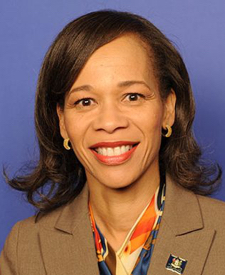
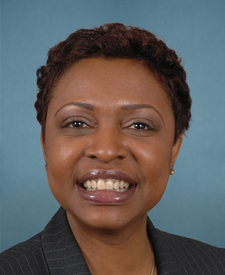
Legislative Progress
IntroducedMs. Blunt Rochester (for herself and Ms. Clarke of New …
Stakeholder Effects
cui bono?How this legislation distributes effects. Mention counts reflect frequency, not effect magnitude.
Congressional oversight committees, HHS interagency coordination staff, HHS public health education programs
Positive-direction: Congressional oversight committees, Indian Tribes and Tribal health programs
Negative-direction: HHS interagency coordination staff, HHS public health education programs, HHS reporting and oversight staff, HHS research and data collection programs, HHS website and outreach administration, NIH Office of Research on Women's Health, NIH research institutes
Accredited healthcare education entities, HBCUs and minority-serving institutions, Healthcare education entities in underserved regions
Women experiencing menopause, Women in rural and underserved areas, Women in underserved populations
Accredited residency and fellowship programs, Medical residency programs, Mental and behavioral health providers
Biomedical researchers, Public health researchers, Research institutions eligible for NIH grants
Healthcare providers serving women, Healthcare providers treating menopause
Community health centers, Community health centers partnering with Centers of Excellence
Emergency medical service providers
Bill Structure & Actor Mappings
Who is "The Secretary" in each section?
- "the_secretary"
- → Secretary of Health and Human Services
- "director_of_nih"
- → Director of National Institutes of Health
- "the_secretary"
- → Secretary of Health and Human Services
- "the_secretary"
- → Secretary of Health and Human Services
- "the_secretary"
- → Secretary of Health and Human Services
We use a combination of our own taxonomy and classification in addition to large language models to assess meaning and potential beneficiaries. High confidence means strong textual evidence. Always verify with the original bill text.
Learn more about our methodology