To amend title 18, United States Code, to prohibit former employees of covered health agencies from serving on the board of entities involved in development and research of a drug, biological product, or device and from profiting from a drug, biological product, or device, and for other purposes.
Analysis under review: This bill has generated analysis that may be too generic or incomplete. Clause-level evidence remains available below.
Summary
What This Bill Does
This bill, To amend title 18, United States Code, to prohibit former employees of covered health agencies from serving on the board of entities involved in development and research of a drug, biological product, or device and from profiting from a drug, biological product, or device, and for other purposes., changes federal law or congressional policy affecting health care providers and patients. The main policy domain is Healthcare, Agriculture, Labor.
Who Benefits and How
health care providers and patients may benefit from new authority, funding, eligibility, regulatory clarity, or reduced risk created by the bill.
Who Bears the Burden and How
federal implementing agencies, health care providers and patients may take on implementation duties, reporting obligations, compliance costs, or oversight responsibilities.
Key Provisions
- Section H115B5C46CADE4692A12564B2EF988960: 1. Short title This Act may be cited as the Fixing Administrations Unethical Corrupt Influence Act or the FAUCI Act.
- Section H91980EB6CF73459C86A4EAD8417A78E3: 2. Prohibition against service by former employees of covered health agencies on boards of entities involved in development and research of a drug, biological...
- Section H55B8E3633D4C4E5C82BB9D360DC315C9: 207A. Prohibition against service by former employees of covered health agencies on boards of entities involved in development and research of a drug,...
- Section H4A4237DCE5B143889D1536106822DB0D: 3. Prohibition against ownership or financial interest in certain patents Section 208 of title 18, United States Code is amended by adding at the end the...
Evidence Chain:
This summary is generated from the full bill text using AI analysis. Expand "Detailed Analysis" below for identified beneficiaries/burden bearers with clause-level evidence links.
At a Glance
What This Bill Does
This bill, To amend title 18, United States Code, to prohibit former employees of covered health agencies from serving on the board of entities involved in development and research of a drug, biological product, or device and from profiting from a drug, biological product, or device, and for other purposes., changes federal law or congressional policy affecting health care providers and patients.
Key Policy Areas
Healthcare, Agriculture, Labor
Primary Purpose
This bill, To amend title 18, United States Code, to prohibit former employees of covered health agencies from serving on the board of entities involved in development and research of a drug, biological product, or device and from profiting from a drug, biological product, or device, and for other purposes., changes federal law or congressional policy affecting health care providers and patients.
Policy Domains
Whole bill
Identified Gains
- health care providers and patients
Identified Costs
- federal implementing agencies
- health care providers and patients
Sponsors


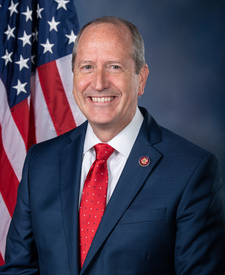

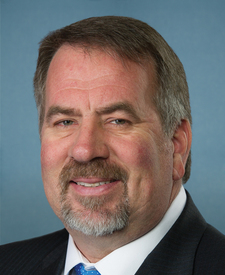
Legislative Progress
IntroducedMrs. Lesko (for herself, Mr. Biggs, Mr. Steube, Mrs. Harshbarger, …
Impact analysis is available but no clear stakeholder effects identified. View clause-level analysis →
Bill Structure & Actor Mappings
Who is "The Secretary" in each section?
- "federal_implementing_agencies"
- → Federal agencies assigned duties by the bill
Key Definitions
Terms defined in this bill
a patent issued by the United States for a drug, biological product, or device. (C)Device
any of the following: (A)The National Institutes of Health. (B)The Food and Drug Administration. (C)The Centers for Disease Control and Prevention. (3)Device
We use a combination of our own taxonomy and classification in addition to large language models to assess meaning and potential beneficiaries. High confidence means strong textual evidence. Always verify with the original bill text.
Learn more about our methodology