A Stronger Workforce for America Act of 2026
Summary
What This Bill Does
A Stronger Workforce for America Act of 2026 is a broad rewrite of WIOA. It updates core definitions by adding foundational skill needs, employer-directed skills development, dislocated-worker coverage for automation-related layoffs, out-of-school youth, AI literacy skills, digital literacy skills, and postsecondary preparation activities. It requires state workforce plans to use real-time labor-market information, explain evidence-based activities, expand skills-based hiring, review occupational licensing and interstate reciprocity, analyze out-of-school youth gaps, identify apprenticeship and pre-apprenticeship availability, and prioritize evidence-based programs. Local workforce boards would include more business representation, youth-serving agencies, public housing authorities, Job Corps campuses, YouthBuild programs, labor organizations, educational entities, and reentry expertise. One-stop systems would connect WIOA services with Economic Development Administration, CHIPS and Science Act, Infrastructure Investment and Jobs Act, and Inflation Reduction Act programs, and would set internal-control rules when one-stop operators also provide services.
The bill changes how training providers and participants access WIOA money. Governors must set eligibility and performance criteria for training-provider programs, verify credential attainment, job placement, median earnings, and employer-directed skills-development outcomes using state administrative data where possible, automatically keep registered apprenticeship programs and Workforce Pell programs on eligible-provider lists, and enforce state lists. Youth programs may enroll someone for up to 40 days while eligibility is verified and may use Higher Education Act homeless-youth and foster-youth determination processes. The bill creates critical industry skills funds and industry or sector partnership and career pathways development funds, lets dislocated-worker areas seek help for excess individual training account demand, and authorizes fiscal year 2027 through 2032 funding of $948.13 million for youth workforce activities, $875.649 million for adult employment and training, and $1.331412 billion for dislocated-worker activities.
For Job Corps and national programs, the bill raises Job Corps eligibility from age 21 to 24, adds qualified opportunity zone residents, changes centers to campuses, strengthens operator-selection metrics, allows graduates to remain on campus for one month after graduation, gives campus operators more local authority over hiring, educational partners, employers, and outreach, requires annual reporting on Labor Inspector General and GAO recommendations, and authorizes $1.760155 billion annually for Job Corps. It updates Native American and migrant seasonal farmworker programs, technical assistance, evaluation, national dislocated-worker grants, and YouthBuild. It creates a Reentry Employment Opportunities Program with direct and intermediary awards, pay-for-performance contracts, priority for high-poverty areas and people served before or shortly after release, and $110 million annually. It creates youth apprenticeship readiness grants funded through H-1B-related job training funds, with up to 5 percent for administration and evaluation and a 25 percent nonfederal match. It creates Strengthening Community Colleges workforce development grants, authorizing $65 million annually, to build employer partnerships, portable and stackable credentials, and high-skill, high-wage, or in-demand career pathways.
The bill also adds cross-cutting safeguards and adult-education changes. WIOA-funded on-the-job training, incumbent worker training, and employer-directed skills development must follow federal and state child-labor law, and employers with collectively bargained workers must consult the relevant labor organization on training design. Governors may cut up to 5 percent of a local area allotment after unresolved substantial violations and reallocate the reduction. The Labor Secretary must provide model waiver templates. Make America Skilled Again grants would let states or local areas consolidate youth, adult, and dislocated-worker WIOA funds for five-year pilot projects with a 25 percent evidence-based activity reserve and evaluations. The bill transfers or reorganizes adult education functions, updates adult education definitions for digital and AI literacy, authorizes $729.167 million annually for adult education, applies WIOA performance accountability to adult education, allows deidentified participant-level data collection for accountability, lowers local administrative cost limits from 95 percent to 85 percent while allowing professional development and administrative reservations, and revises integrated English literacy and civics allocations.
A separate disability employment provision creates a Center for Technical Assistance for Transforming to Competitive Integrated Employment, led by the Labor Secretary through the Office of Disability Employment Policy and Employment and Training Administration with HHS Administration for Community Living and Education's Office of Special Education and Rehabilitative Services. It would help employers move away from Fair Labor Standards Act section 14(c) special certificates and help state agencies coordinate funding and services for competitive integrated employment. The GAO must report on federal and state workforce databases, wage and employment outcomes, data sharing, privacy, breaches since 2014, state wage interchange effectiveness, interoperable data standards, customer service systems, and workforce program data exchange. Transition provisions phase in most amendments on the first day of the first or second full program year after enactment and require new state and local plans.
Who Benefits and How
Jobseekers with foundational skill needs benefit because WIOA eligibility and adult education definitions now cover low reading, writing, computing, English, digital literacy, and AI literacy skills. Out-of-school youth, homeless youth, foster youth, and youth with disabilities benefit from explicit state-plan analysis, youth-program board representation, 40-day provisional enrollment, and eligibility determination processes tied to Higher Education Act standards. Dislocated workers benefit from automation-related layoff recognition and excess-demand help for individual training accounts. Employers benefit from employer-directed skills development and state skills-based hiring initiatives, but must pay a share of training costs. Registered apprenticeship programs, Workforce Pell programs, community colleges, reentry grantees, youth apprenticeship sponsors, Native American workforce programs, migrant seasonal farmworker programs, and Job Corps campuses benefit from clearer eligibility, grant, or authorization structures. Adult education students, English learners, and individuals with disabilities benefit from digital literacy, AI literacy, integrated education and training, competitive integrated employment technical assistance, and stronger accountability around outcomes.
Who Bears the Burden and How
State workforce agencies and governors must update state plans, use real-time labor-market data, review licensing rules, set training-provider performance thresholds, verify outcomes with administrative data, submit plan modifications, and implement transition procedures. Local workforce boards must adjust board membership, standing committees, one-stop partner coordination, local plans, conflict controls, youth eligibility, training account demand processes, and sanctions exposure. Training providers must meet eligibility and performance standards tied to credentials, job placement, earnings, employment retention, and employer-directed outcomes. Employers receiving WIOA training support must meet cost-share requirements and consult labor organizations when collectively bargained employees receive training. Labor Department staff must administer new performance models, public websites, waiver templates, Job Corps oversight, reentry awards, community college grants, Make America Skilled Again pilots, H-1B job training grant allotments, and adult education transfers. Job Corps operators, adult education providers, state data agencies, GAO analysts, and disability employment technical-assistance partners take on new reporting, data, evaluation, and operational duties.
Key Provisions
- Adds foundational skill needs, employer-directed skills development, automation-related dislocated-worker coverage, out-of-school youth, AI literacy skills, digital literacy skills, and postsecondary preparation definitions.
- Requires state WIOA plans to use real-time labor market data, skills-based hiring initiatives, occupational licensing review, out-of-school youth analysis, apprenticeship mapping, and evidence-based program priorities.
- Expands local workforce board representation for youth services, public housing, Job Corps, YouthBuild, labor organizations, education providers, and reentry services.
- Establishes training-provider eligibility and performance rules based on credentials, job placement, earnings, retention, employer-directed skills outcomes, administrative data, and automatic inclusion for registered apprenticeship and Workforce Pell programs.
- Provides youth provisional enrollment for up to 40 days and homeless-youth or foster-youth eligibility determination processes.
- Authorizes fiscal year 2027 through 2032 funding for WIOA youth, adult, dislocated-worker, Job Corps, Native American, migrant farmworker, reentry, community college, adult education, and related programs.
- Creates or revises Reentry Employment Opportunities, Youth Apprenticeship Readiness, Strengthening Community Colleges, and Make America Skilled Again grant programs.
- Tightens child-labor compliance, labor-organization consultation, substantial-violation sanctions, supportive-services limits, and low-density workforce area rules.
- Creates a competitive integrated employment technical-assistance center for employers transitioning away from section 14(c) special certificates.
- Requires GAO reporting on workforce data interoperability, privacy, breaches, wage-data sharing, and state customer service systems.
Evidence Chain:
This summary is generated from the full bill text using AI analysis. Expand "Detailed Analysis" below for identified beneficiaries/burden bearers with clause-level evidence links.
At a Glance
What This Bill Does
Rewrites the Workforce Innovation and Opportunity Act for fiscal years 2027 through 2032 by tightening state planning and performance rules, adding employer-directed skills development, revising one-stop and training-provider eligibility, changing youth and Job Corps eligibility, creating reentry, youth apprenticeship, community college, and Make America Skilled Again grant structures, moving adult-education functions toward Labor administration, adding adult education digital and AI literacy rules, and requiring workforce-data interoperability reporting.
Key Policy Areas
Workforce Development, Education, Labor, Apprenticeship, Adult Education, Criminal Justice Reentry, Disability Employment
Primary Purpose
Rewrites the Workforce Innovation and Opportunity Act for fiscal years 2027 through 2032 by tightening state planning and performance rules, adding employer-directed skills development, revising one-stop and training-provider eligibility, changing youth and Job Corps eligibility, creating reentry, youth apprenticeship, community college, and Make America Skilled Again grant structures, moving adult-education functions toward Labor administration, adding adult education digital and AI literacy rules, and requiring workforce-data interoperability reporting.
Policy Domains
House resolution provisions
Identified Gains
- Jobseekers with foundational skill needs
- Out-of-school youth
- Homeless youth
- Foster youth
- Dislocated workers
- Registered apprenticeship programs
- Workforce Pell programs
- Community colleges
- Reentry employment grantees
- Youth apprenticeship sponsors
- Native American workforce programs
- Migrant farmworker programs
- Job Corps campuses
- Adult education students
- English learners
- Individuals with disabilities
Identified Costs
- State workforce agencies
- State governors
- Local workforce boards
- Training providers
- Employers receiving WIOA training support
- Labor Department workforce staff
- Job Corps operators
- Adult education providers
- State data agencies
- GAO workforce analysts
- Disability employment technical assistance partners
- Local one-stop operators
Sponsors
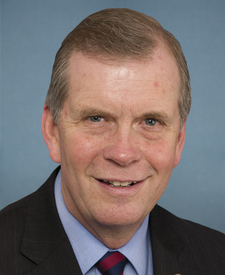
Tim Walberg
R-MI | Primary Sponsor

Legislative Progress
ReportedOrdered to be Reported (Amended) by the Yeas and Nays: …
Committee Consideration and Mark-up Session Held
Referred to the Committee on Education and Workforce, and in …
Introduced in House
Mr. Walberg introduced the following bill; which was referred to …
Stakeholder Effects
cui bono?How this legislation distributes effects. Mention counts reflect frequency, not effect magnitude.
Administration for Community Living, Education Department transition staff, Employment and Training Administration
Labor Department Job Corps staff, Labor Department performance staff, Labor Department workforce staff face effects in multiple directions
Positive-direction: Native American workforce programs, Northern Mariana Islands workforce programs, Outlying area adult education agencies
Negative-direction: Administration for Community Living, Education Department transition staff, Employment and Training Administration, Federal budget managers, Federal evaluators, GAO workforce analysts, Labor Department adult education staff, Labor Department data staff, Labor Department grant staff, Labor Department pilot staff, Labor Department reentry staff, Labor Department transition staff, Labor Department waiver staff, Labor market information offices, Office of Disability Employment Policy
Adult education administrators, Adult education program administrators, Adult education providers
Adult education providers, Job Corps campus operators face effects in multiple directions
Positive-direction: Adult education students, Adult educators, Adults needing digital literacy, Career pathway providers, Community college students, Community colleges, Corrections education participants, English learners, Public libraries, Workforce Pell programs
Negative-direction: Adult education administrators, Adult education program administrators, Job Corps campuses, Special Education programs, Training providers
Foster youth, Homeless youth, In-school youth
YouthBuild programs faces effects in multiple directions
Positive-direction: Foster youth, Homeless youth, In-school youth, Job Corps applicants, Job Corps enrollees, Older Job Corps applicants, Out-of-school youth, Youth workforce programs
Negative-direction: Youth workforce providers
Compliant workforce areas, Local workforce boards, Local workforce consortia
State workforce agencies faces effects in multiple directions
Positive-direction: Compliant workforce areas, Local workforce consortia, Make America Skilled Again pilot states
Negative-direction: Local workforce boards, State data agencies, State employment service agencies, State governors, State licensing boards
Adult employment programs, Dislocated worker programs, Dislocated workers
Positive-direction: Adult employment programs, Dislocated worker programs, Dislocated workers, Jobseekers with barriers, Jobseekers with foundational skill needs, Labor organizations, Students using training accounts, WIOA program participants, Youth trainees
Negative-direction: Local labor organizations, One-stop operators, WIOA fund recipients
Critical industry employers, Employers receiving WIOA training support, Employers sponsoring apprenticeships
Positive-direction: Critical industry employers, Employers sponsoring apprenticeships, Employers using skills training, Employers using skills-based hiring, Local employers, Regional employers
Negative-direction: Employers receiving WIOA training support, Section 14(c) employers
Apprenticeship providers, Registered apprenticeship programs, Youth apprenticeship grantees
Positive-direction: Apprenticeship providers, Registered apprenticeship programs, Youth apprenticeship sponsors
Negative-direction: Youth apprenticeship grantees
Bill Structure & Actor Mappings
Who is "The Secretary" in each section?
- "acl"
- → Administration for Community Living
- "eta"
- → Employment and Training Administration
- "gao"
- → Comptroller General of the United States
- "odep"
- → Office of Disability Employment Policy
- "osers"
- → Office of Special Education and Rehabilitative Services
- "governor"
- → State Governor
- "one_stop"
- → One-stop operator
- "job_corps"
- → Job Corps campus
- "local_board"
- → Local workforce development board
- "secretary_labor"
- → Secretary of Labor
- "department_labor"
- → Department of Labor
Key Definitions
Terms defined in this bill
Employment as defined in the Rehabilitation Act, used for transition away from section 14(c) special certificate employment.
Department of Labor framework competencies for responsibly using and evaluating artificial intelligence technologies, especially generative AI.
Low reading, writing, computing, English, problem-solving, or digital literacy skills that limit education, work, family, or social functioning.
Training selected or designed for employer skill demands, tied to an employer commitment to employ successful completers, with employer cost-sharing of at least 10, 25, or 50 percent depending on employer size.
We use a combination of our own taxonomy and classification in addition to large language models to assess meaning and potential beneficiaries. High confidence means strong textual evidence. Always verify with the original bill text.
Learn more about our methodology