Accelerating Access to Critical Therapies for ALS Reauthorization Act of 2026
Summary
What This Bill Does
The Accelerating Access to Critical Therapies for ALS Reauthorization Act of 2026 extends the underlying ALS Act authorities from 2026 to 2031 and expresses House Energy and Commerce Committee support for direct appropriations to carry out each section. It improves the grants program for ALS therapies by requiring the Health and Human Services Secretary, when reviewing renewal applications for grants tied to investigational drugs, to assess clinical-trial status using patient-enrollment data and to request interim clinical-trial data from the drug manufacturer. It defines phase 3 to include phase 2/3 combined trials and planned phase 3 trials not yet enrolling participants. The bill requires the FDA Commissioner within one year to publish an updated action plan for ALS and other rare neurodegenerative diseases covering five-year program enhancements, policy development, regulatory science initiatives, needed resources, and coordination with rare neurodegenerative disease communities that are not specifically ALS communities. The report must also describe FDA actions under the June 23, 2022 Action Plan, effects on therapy development and regulatory consideration, programs and initiatives created, and implementation for non-ALS rare neurodegenerative diseases. GAO must report to House Energy and Commerce and Senate HELP committees within four years using analyses and data described in the existing Act.
Who Benefits and How
People living with ALS benefit from continued therapy-development authorities through 2031 and more attention to clinical-trial enrollment. Patients with rare neurodegenerative diseases other than ALS benefit because FDA must address coordination with non-ALS communities and implementation beyond ALS. ALS therapy researchers benefit from reauthorized grant programs and clearer renewal-review expectations. Investigational drug manufacturers benefit from continued program support but must share interim data when requested. FDA rare-disease staff benefit from a five-year action plan and resource needs analysis. Congressional health committees benefit from FDA and GAO reports on implementation and therapy-development effects.
Who Bears the Burden and How
The HHS Secretary and grant reviewers must assess clinical-trial status and enrollment data during grant renewals. Investigational drug manufacturers must respond to requests for interim clinical-trial data. The FDA Commissioner must publish an updated action plan and account for 2022 Action Plan implementation, program enhancements, regulatory science initiatives, resources, and non-ALS community coordination. FDA rare neurodegenerative disease staff must support five-year planning and reporting. GAO analysts must prepare a four-year report to Congress. Federal budget managers may face pressure to provide direct appropriations through 2031.
Key Provisions
- Extends the Accelerating Access to Critical Therapies for ALS Act from 2026 to 2031.
- Provides committee support for direct appropriations to carry out each section of the ALS Act.
- Requires grant-renewal reviews to assess clinical-trial enrollment status for investigational drugs.
- Requires the Secretary to request interim clinical-trial data from investigational-drug manufacturers.
- Defines phase 3 to include combined phase 2/3 trials and planned phase 3 trials not yet enrolling.
- Requires FDA to publish an updated ALS and rare neurodegenerative disease action plan within one year.
- Requires GAO to report to House Energy and Commerce and Senate HELP committees within four years.
Evidence Chain:
This summary is generated from the full bill text using AI analysis. Expand "Detailed Analysis" below for identified beneficiaries/burden bearers with clause-level evidence links.
At a Glance
What This Bill Does
Reauthorizes the Accelerating Access to Critical Therapies for ALS Act through 2031, supports direct appropriations, requires grant-renewal reviews to assess clinical-trial enrollment and request interim clinical-trial data from investigational-drug manufacturers, expands phase 3 to include phase 2/3 and planned phase 3 trials, requires FDA within one year to publish an updated five-year ALS and rare neurodegenerative disease action plan with resource needs and non-ALS community coordination, and requires GAO within four years to report to Congress using the existing Act's analyses and data.
Key Policy Areas
Health Research, FDA, ALS, Rare Disease
Primary Purpose
Reauthorizes the Accelerating Access to Critical Therapies for ALS Act through 2031, supports direct appropriations, requires grant-renewal reviews to assess clinical-trial enrollment and request interim clinical-trial data from investigational-drug manufacturers, expands phase 3 to include phase 2/3 and planned phase 3 trials, requires FDA within one year to publish an updated five-year ALS and rare neurodegenerative disease action plan with resource needs and non-ALS community coordination, and requires GAO within four years to report to Congress using the existing Act's analyses and data.
Policy Domains
House resolution provisions
Identified Gains
- People living with ALS
- Patients with rare neurodegenerative diseases
- ALS therapy researchers
- Investigational drug manufacturers
- FDA rare disease staff
- Congressional health committees
Identified Costs
- HHS grant reviewers
- Investigational drug manufacturers
- FDA Commissioner
- FDA rare neurodegenerative disease staff
- GAO analysts
- Federal budget managers
Sponsors



Legislative Progress
ReportedOrdered to be Reported (Amended) by the Yeas and Nays: …
Committee Consideration and Mark-up Session Held
Forwarded by Subcommittee to Full Committee by Voice Vote.
Subcommittee Consideration and Mark-up Session Held
Referred to the Subcommittee on Health.
Introduced in House
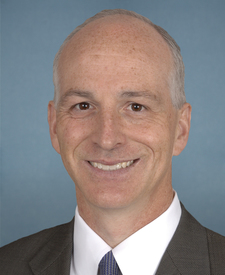
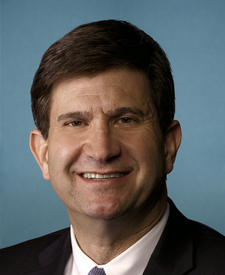
Mr. Quigley (for himself and Mr. Calvert) introduced the following …
Referred to the House Committee on Energy and Commerce.
Stakeholder Effects
cui bono?How this legislation distributes effects. Mention counts reflect frequency, not effect magnitude.
Congressional health committees, FDA Commissioner, FDA rare disease staff
Positive-direction: Congressional health committees
Negative-direction: FDA Commissioner, FDA rare disease staff, GAO analysts, HHS grant reviewers
ALS therapy researchers, Patients with rare neurodegenerative diseases, People living with ALS
Bill Structure & Actor Mappings
Who is "The Secretary" in each section?
- "fda"
- → Food and Drug Administration
- "gao"
- → Government Accountability Office
- "hhs"
- → Secretary of Health and Human Services
We use a combination of our own taxonomy and classification in addition to large language models to assess meaning and potential beneficiaries. High confidence means strong textual evidence. Always verify with the original bill text.
Learn more about our methodology