To encourage States to voluntarily pass laws to authorize civil damages and equitable relief for nonconsensual sexual protection barrier removal, and for other purposes.
Analysis under review: This bill has generated analysis that may be too generic or incomplete. Clause-level evidence remains available below.
Summary
What This Bill Does
This bill, To encourage States to voluntarily pass laws to authorize civil damages and equitable relief for nonconsensual sexual protection barrier removal, and for other purposes., changes federal law or congressional policy affecting immigrants, border agencies, and immigration-service providers. The main policy domain is Immigration.
Who Benefits and How
immigrants, border agencies, and immigration-service providers may benefit from new authority, funding, eligibility, regulatory clarity, or reduced risk created by the bill.
Who Bears the Burden and How
federal implementing agencies, immigrants, border agencies, and immigration-service providers may take on implementation duties, reporting obligations, compliance costs, or oversight responsibilities.
Key Provisions
- Section H4AA4E5E834964281BF139EC1CFA47A6B: 1. Short title This Act may be cited as the Consent is Key Act.
- Section H6AC9252F47E44AF0A90A93A93280F38C: 2. Increased funding for formula grants authorized The Attorney General shall increase the amount provided to a State under the covered formula grant if the...
- Section H3AC761B558F6481AB0F89A2EED1574AE: 3. Application A State seeking an increase in the amount provided to the State under the covered formula grant shall include in the application of the State...
- Section H0860E738E49748879F9465C9B1421707: 4. Grant increase The amount of the increase provided to a State under the covered formula grant shall be equal to not more than 20 percent of the average of...
- Section HB124CD18DF634FF6B28CF18870986D9E: 5. Period of increase The Attorney General shall provide an increase in the amount provided to a State under the covered formula grant for a 4-year period. The...
Evidence Chain:
This summary is generated from the full bill text using AI analysis. Expand "Detailed Analysis" below for identified beneficiaries/burden bearers with clause-level evidence links.
At a Glance
What This Bill Does
This bill, To encourage States to voluntarily pass laws to authorize civil damages and equitable relief for nonconsensual sexual protection barrier removal, and for other purposes., changes federal law or congressional policy affecting immigrants, border agencies, and immigration-service providers.
Key Policy Areas
Immigration
Primary Purpose
This bill, To encourage States to voluntarily pass laws to authorize civil damages and equitable relief for nonconsensual sexual protection barrier removal, and for other purposes., changes federal law or congressional policy affecting immigrants, border agencies, and immigration-service providers.
Policy Domains
Whole bill
Identified Gains
- immigrants, border agencies, and immigration-service providers
Identified Costs
- federal implementing agencies
- immigrants, border agencies, and immigration-service providers
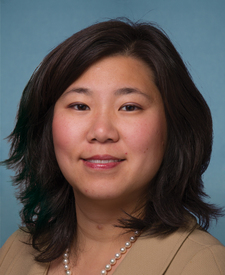
Sponsors
Legislative Progress
IntroducedMrs. Torres of California (for herself, Ms. Bonamici, Ms. Norton, …
Impact analysis is available but no clear stakeholder effects identified. View clause-level analysis →
Bill Structure & Actor Mappings
Who is "The Secretary" in each section?
- "federal_implementing_agencies"
- → Federal agencies assigned duties by the bill
We use a combination of our own taxonomy and classification in addition to large language models to assess meaning and potential beneficiaries. High confidence means strong textual evidence. Always verify with the original bill text.
Learn more about our methodology