SPUR Act
Summary
What This Bill Does
The SPUR Act amends section 15(y) of the Small Business Act, which governs federal agency small-business contracting scorecards. The scorecard must now include the number of new small business entrants awarded prime contracts in each North American Industry Classification System code during the fiscal year and, where available, compare that number with the prior fiscal year. The metric must also track new entrants that are service-disabled veteran-owned small businesses, qualified HUBZone small businesses, small businesses owned and controlled by socially and economically disadvantaged individuals, and women-owned small businesses. The bill defines a new small business entrant as a small business that has received a prime contract from a federal agency and has not previously received a prime contract from any federal agency. No additional funds are authorized.
Who Benefits and How
New small business entrants, first-time federal contractors, service-disabled veteran-owned businesses, HUBZone small businesses, socially disadvantaged business owners, economically disadvantaged business owners, women-owned small businesses, procurement equity advocates, and congressional small-business overseers benefit because scorecards will show whether agencies are bringing new firms into prime contracting rather than only awarding repeat incumbents.
Who Bears the Burden and How
The Small Business Administration, federal agency procurement offices, contracting data analysts, agency scorecard managers, NAICS classification staff, and procurement-system administrators bear reporting and data-management burdens because they must identify first-time prime contractors, break them out by socioeconomic category and NAICS code, compare years, and do so without additional appropriations.
Key Provisions
- Requires SBA scorecards to include new small business entrant counts by NAICS code.
- Requires comparison with the prior fiscal year when available.
- Requires separate tracking for service-disabled veteran-owned, HUBZone, socially and economically disadvantaged, and women-owned small business entrants.
- Defines a new small business entrant as a small business receiving its first federal prime contract.
- Updates scorecard definitions and cross references.
- Bars additional appropriations for implementation.
Evidence Chain:
This summary is generated from the full bill text using AI analysis. Expand "Detailed Analysis" below for identified beneficiaries/burden bearers with clause-level evidence links.
At a Glance
What This Bill Does
Adds new-small-business-entrant metrics to SBA's federal contracting scorecard, requiring counts by NAICS code and comparisons to the prior fiscal year for all new entrants and specified socioeconomic categories, while authorizing no new funds.
Key Policy Areas
Small Business, Government Procurement, Federal Contracting, Veterans
Primary Purpose
Adds new-small-business-entrant metrics to SBA's federal contracting scorecard, requiring counts by NAICS code and comparisons to the prior fiscal year for all new entrants and specified socioeconomic categories, while authorizing no new funds.
Policy Domains
Substantive provisions
Identified Gains
- New small business entrants
- First-time federal contractors
- Service-disabled veteran-owned businesses
- HUBZone small businesses
- Socially disadvantaged business owners
- Economically disadvantaged business owners
- Women-owned small businesses
- Procurement equity advocates
- Congressional small-business overseers
Identified Costs
- Small Business Administration
- Federal agency procurement offices
- Contracting data analysts
- Agency scorecard managers
- NAICS classification staff
- Procurement-system administrators
Sponsors
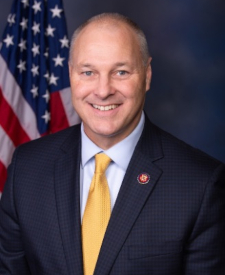
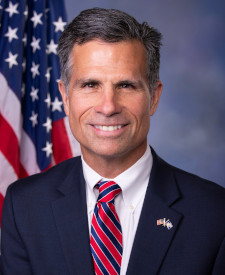
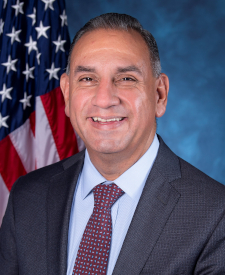


Legislative Progress
Passed HouseReceived; read twice and referred to the Committee on Small …
Passed House (inferred from eh version)
Received in the Senate and Read twice and referred to …
Motion to reconsider laid on the table Agreed to without …
On motion to suspend the rules and pass the bill …
Passed/agreed to in House: On motion to suspend the rules …
Considered as unfinished business. (consideration: CR S749-750)
At the conclusion of debate, the Yeas and Nays were …
DEBATE - The House proceeded with forty minutes of debate …
Considered under suspension of the rules. (consideration: CR H740-742)
Stakeholder Effects
cui bono?How this legislation distributes effects. Mention counts reflect frequency, not effect magnitude.
First-time federal contractors, HUBZone small businesses, New small business entrants
Agency scorecard managers, Federal agency procurement offices, Small Business Administration
Bill Structure & Actor Mappings
Who is "The Secretary" in each section?
- "sba"
- → Small Business Administration
- "naics"
- → North American Industry Classification System
We use a combination of our own taxonomy and classification in addition to large language models to assess meaning and potential beneficiaries. High confidence means strong textual evidence. Always verify with the original bill text.
Learn more about our methodology