To amend the Internal Revenue Code of 1986 to allow a credit against tax for charitable donations to nonprofit organizations providing education scholarships to qualified elementary and secondary students.
Analysis under review: This bill has generated analysis that may be too generic or incomplete. Clause-level evidence remains available below.
Summary
This bill creates a new federal tax credit for individuals who donate to nonprofit scholarship granting organizations (SGOs) that fund K-12 education expenses for students from families earning up to 300% of area median income. The credit equals the full donation amount, capped at the greater of 10% of adjusted gross income or ,000, subject to a national volume cap of billion per year (2025-2028) that increases by 5% if 90% or more is used. Eligible expenses include tuition at public, private, or religious schools, tutoring, curricula, testing fees, and educational therapies for students with disabilities. The bill explicitly prohibits government control over SGOs and participating schools, and protects the religious character of participating institutions. Scholarship income is excluded from the recipients gross income.
Evidence Chain:
This summary is generated from the full bill text using AI analysis. Expand "Detailed Analysis" below for identified beneficiaries/burden bearers.
At a Glance
What This Bill Does
Creates a federal tax credit for individual charitable donations to nonprofit scholarship granting organizations (SGOs) that provide education scholarships to eligible K-12 students from households with incomes up to 300% of area median, covering tuition, tutoring, curricula, and educational therapies at public, private, or religious schools.
Who Benefits
- Private and religious schools
- Families seeking school choice
- Scholarship granting organizations
Who Bears Costs
- Federal tax revenue (estimated B/yr reduction)
- Public school systems (potential enrollment loss)
Key Policy Areas
{'domain': 'Education', 'evidence': 'Entire bill establishes scholarship program for elementary and secondary education expenses'}, {'domain': 'Tax Policy', 'evidence': 'Section 2 amends the Internal Revenue Code to create a new tax credit (section 25F)'}
Primary Purpose
Creates a federal tax credit for individual charitable donations to nonprofit scholarship granting organizations (SGOs) that provide education scholarships to eligible K-12 students from households with incomes up to 300% of area median, covering tuition, tutoring, curricula, and educational therapies at public, private, or religious schools.
Policy Domains
Legislative Strategy
"Using tax credits to incentivize private donations that fund school choice scholarships, bypassing direct government voucher programs"
Sponsors
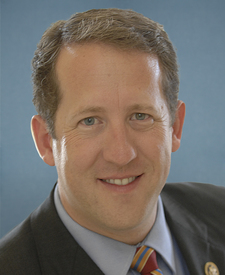
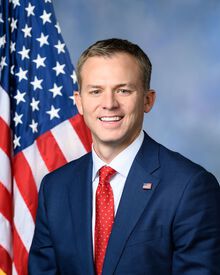
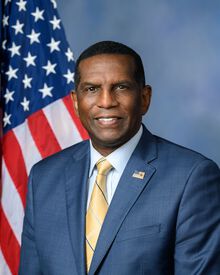

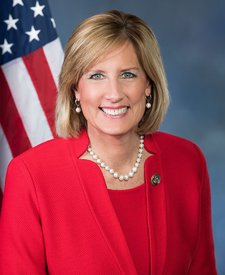
Legislative Progress
IntroducedMr. Smith of Nebraska (for himself, Mr. Owens, Mr. Walberg, …
Stakeholder Effects
cui bono?How this legislation distributes effects. Mention counts reflect frequency, not effect magnitude.
Families receiving education scholarships, Low-to-moderate income families, Private and religious K-12 schools
Scholarship granting organizations faces effects in multiple directions
Positive-direction: Families receiving education scholarships, Low-to-moderate income families, Private and religious K-12 schools, Private and religious schools, Scholarship recipients
Negative-direction: Public school systems
Bill Structure & Actor Mappings
Who is "The Secretary" in each section?
- "the_secretary"
- → Secretary of the Treasury
- "scholarship_granting_organization"
- → 501(c)(3) nonprofit providing scholarships for K-12 education
Key Definitions
Terms defined in this bill
Individual in household with income not greater than 300% of area median gross income, eligible to enroll in a public elementary or secondary school
Charitable contribution in cash or marketable securities to an SGO
Tuition, curriculum, books, online materials, tutoring, testing fees, dual enrollment, educational therapies at public/private/religious schools including homeschools
501(c)(3) non-private-foundation that substantially provides scholarships for qualified K-12 education expenses
We use a combination of our own taxonomy and classification in addition to large language models to assess meaning and potential beneficiaries. High confidence means strong textual evidence. Always verify with the original bill text.
Learn more about our methodology