To require the Commissioner of U.S. Customs and Border Protection to establish procedures for conducting maintenance projects at ports of entry at which the Office of Field Operations conducts certain enforcement and facilitation activities.
Sponsors
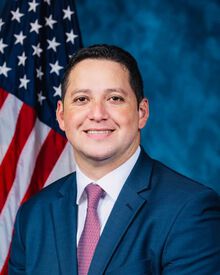
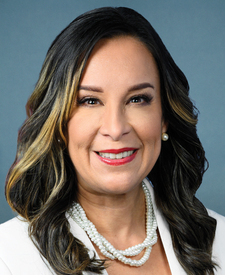
Legislative Progress
ReportedReceived; read twice and placed on the calendar
Reported from the Committee on Homeland Security with an amendment
Committee on Ways and Means discharged; committed to the Committee …
Mr. Tony Gonzales of Texas (for himself, Mr. Correa, Mr. …
Summary
What This Bill Does
Authorizes Customs and Border Protection to conduct maintenance and repair projects at ports of entry up to $300,000 without following standard GSA procurement rules. Streamlines port upkeep.
Who Benefits and How
CBP gains faster ability to maintain port facilities. Border operations benefit from quicker infrastructure repairs. Travelers experience better-maintained ports of entry.
Who Bears the Burden and How
GSA loses some procurement oversight. Other facility tenants must be consulted on projects. Standard procurement safeguards are bypassed for faster work.
Key Provisions
- Authorizes CBP maintenance projects up to $300,000
- Waives GSA procurement requirements for these projects
- Requires procedures for coordinating with other facility tenants
Evidence Chain:
This summary is derived from the structured analysis below. See "Detailed Analysis" for per-title beneficiaries/burden bearers with clause-level evidence links.
Primary Purpose
Authorizes CBP to conduct port of entry maintenance projects up to 300K without GSA procurement rules
Policy Domains
Legislative Strategy
"Streamline port of entry maintenance procurement"
Bill Structure & Actor Mappings
Who is "The Secretary" in each section?
- "commissioner"
- → CBP Commissioner
- "administrator"
- → GSA Administrator
We use a combination of our own taxonomy and classification in addition to large language models to assess meaning and potential beneficiaries. High confidence means strong textual evidence. Always verify with the original bill text.
Learn more about our methodology