To establish requirements relating to credit scores and educational credit scores, and for other purposes.
Analysis under review: This bill has generated analysis that may be too generic or incomplete. Clause-level evidence remains available below.
Summary
What This Bill Does
This bill amends the Fair Credit Reporting Act to require consumer reporting agencies (like Equifax, Experian, and TransUnion) to provide consumers with free credit scores along with their annual free credit reports. It also mandates prominent disclosures explaining the differences between actual credit scores used by lenders and educational credit scores sold to consumers, and requires CRAs to maintain 2 years of credit score history.
Who Benefits and How
Consumers benefit by receiving free credit scores (currently charged separately) along with their annual credit reports, saving money and gaining better insight into their creditworthiness. Consumers also receive clearer explanations of what affects their scores and specific actions to improve them. Consumer advocacy groups achieve a long-sought policy goal of credit score transparency.
Who Bears the Burden and How
Nationwide consumer reporting agencies (Equifax, Experian, TransUnion) lose revenue from credit score sales to consumers and face new compliance costs for enhanced disclosures, data retention, and website modifications. Credit scoring model developers (like FICO and VantageScore) may face reduced revenue from consumer-facing score products. Credit monitoring services that bundle scores with subscriptions face increased competition from free alternatives.
Key Provisions
- Requires free credit scores with annual free credit reports upon consumer request
- Mandates CRAs maintain 2-year credit score history accessible to consumers
- Requires prominent disclaimers on all CRA websites explaining that credit scores vary and educational scores differ from lender scores
- Expands free report/score access to consumers who file disputes, obtain fraud alerts, or receive adverse actions
- Requires CRAs to provide actionable advice on how to improve credit scores
Evidence Chain:
This summary is generated from the full bill text using AI analysis. Expand "Detailed Analysis" below for identified beneficiaries/burden bearers.
At a Glance
What This Bill Does
Requires consumer reporting agencies to provide free credit scores along with annual free credit reports, mandates enhanced disclosures about the differences between credit scores and educational credit scores, and expands consumer access to credit information
Key Policy Areas
Consumer Protection, Financial Services, Credit Reporting
Primary Purpose
Requires consumer reporting agencies to provide free credit scores along with annual free credit reports, mandates enhanced disclosures about the differences between credit scores and educational credit scores, and expands consumer access to credit information
Policy Domains
Section 3 - Definitions
Identified Gains
Contextual inference, no direct clause citation- Consumers seeking credit score transparency
Contextual inference, no direct clause citation
Identified Costs
Contextual inference, no direct clause citation- Consumer reporting agencies
Contextual inference, no direct clause citation
Sections 4-5 - Credit Score Disclosures
Identified Gains
Contextual inference, no direct clause citation- Consumers
- Consumer advocacy organizations
Contextual inference, no direct clause citation
Identified Costs
Contextual inference, no direct clause citation- Nationwide consumer reporting agencies (Equifax, Experian, TransUnion)
- Credit scoring model companies (FICO, VantageScore)
- Credit monitoring services
Contextual inference, no direct clause citation
Section 6 - Free Credit Score Provisions
Identified Gains
Contextual inference, no direct clause citation- Consumers requesting credit reports
- Fraud victims
- Unemployed individuals
- Welfare recipients
Contextual inference, no direct clause citation
Identified Costs
Contextual inference, no direct clause citation- Consumer reporting agencies
- Credit score product sellers
Contextual inference, no direct clause citation
Sponsors
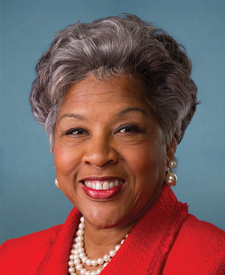
Legislative Progress
IntroducedMrs. Beatty introduced the following bill; which was referred to …
Stakeholder Effects
cui bono?How this legislation distributes effects. Mention counts reflect frequency, not effect magnitude.
Auto loan and lease consumers, Consumers, Consumers in qualifying circumstances
Consumer reporting agencies, Consumer reporting agencies selling educational scores, Nationwide consumer reporting agencies
Credit scoring model companies (FICO, VantageScore)
Credit monitoring subscription services
Bill Structure & Actor Mappings
Who is "The Secretary" in each section?
- "the_bureau"
- → Consumer Financial Protection Bureau
- "the_bureau"
- → Consumer Financial Protection Bureau
- "the_bureau"
- → Consumer Financial Protection Bureau
Key Definitions
Terms defined in this bill
A numerical value or categorization derived from a statistical tool or modeling system used by a person who makes or arranges a loan or extends credit to predict the likelihood of certain credit behaviors, including default
A numerical value or categorization derived from a statistical tool or modeling system based upon information from a consumer report that assists consumers in understanding how a lender or creditor may view the consumer's creditworthiness
Relevant elements or reasons affecting the credit score for the particular individual, listed in order of importance based on the effect of each element or reason on the credit score
A scoring algorithm, formula, model, program, or mechanism used to generate a credit score or an educational credit score
We use a combination of our own taxonomy and classification in addition to large language models to assess meaning and potential beneficiaries. High confidence means strong textual evidence. Always verify with the original bill text.
Learn more about our methodology