CONNECT Act
Summary
What This Bill Does
The CONNECT Act changes the purposes of the John H. Chafee Foster Care Program for Successful Transition to Adulthood. Instead of only listing older independent-living style purposes, it adds two explicit goals for children and youth who experienced foster care at age 14 or older. First, Chafee services should help them develop and maintain sustained supportive relationships with adults, including kin or fictive kin who are not serving as placement, mentors, and peers who may also have foster-care experience. The stated goal is to reduce isolation and build lifelong connection and support networks. Second, Chafee services should support youth still in foster care in exercising their section 475A rights to participate in permanency planning, receive written information about available services, receive information on steps the agency is taking to support their plan, and obtain pre- and post-permanency peer support, mentoring, kin connections, and referrals to appropriate programs and services. The amendments take effect one year after enactment, and the Health and Human Services Secretary must consult youth with lived foster-care experience.
Who Benefits and How
Youth who experienced foster care at age 14 or older benefit because Chafee purposes would explicitly include adult relationships, kin and fictive-kin connections, mentoring, peer support, and lifelong support networks. Youth still in foster care benefit because the bill links Chafee services to their right to participate in permanency plans and receive written information about services and agency steps. Kin and fictive kin benefit because the program purpose recognizes their role even when they are not serving as formal placements. Foster-care peer mentors benefit because peer support becomes part of the Chafee purpose language. State Chafee administrators benefit from clearer statutory authority to fund connection-building and permanency-support work. HHS child welfare staff benefit from consultation-driven guidance based on youth with lived experience.
Who Bears the Burden and How
State child welfare agencies must adjust Chafee planning and services to support sustained adult connections, peer mentoring, kin referrals, written service information, and permanency-plan participation. State Chafee administrators must translate the new purposes into program design after the one-year effective date. HHS child welfare staff must consult youth with lived foster-care experience and support implementation. Caseworkers may need to document service information, permanency steps, kin connections, and referrals more explicitly. Foster-care service providers may need to build or expand peer-support and mentoring networks. Youth advisors with lived experience may be asked to participate in federal consultation and program-design feedback.
Key Provisions
- Expands Chafee purposes for children and youth who experienced foster care at age 14 or older.
- Requires support for sustained relationships with adults, kin, fictive kin, mentors, and peers.
- Establishes reduction of isolation and lifelong connection networks as program goals.
- Links Chafee services to youth participation in permanency planning under section 475A.
- Requires written information about available services and agency steps supporting permanency plans.
- Supports pre- and post-permanency peer support, mentoring, kin connections, and referrals.
- Delays the amendments for one year and requires consultation with youth with lived foster-care experience.
Evidence Chain:
This summary is generated from the full bill text using AI analysis. Expand "Detailed Analysis" below for identified beneficiaries/burden bearers with clause-level evidence links.
At a Glance
What This Bill Does
Updates John H. Chafee Foster Care Program purposes to help youth who experienced foster care at age 14 or older build sustained adult, kin, fictive-kin, mentor, and peer support networks, reduce isolation, exercise permanency-plan rights under section 475A, receive written information about available services and agency steps supporting permanency, and receive pre- and post-permanency peer support, mentoring, kin connections, and referrals.
Key Policy Areas
Child Welfare, Foster Care, Youth Services, Permanency Planning
Primary Purpose
Updates John H. Chafee Foster Care Program purposes to help youth who experienced foster care at age 14 or older build sustained adult, kin, fictive-kin, mentor, and peer support networks, reduce isolation, exercise permanency-plan rights under section 475A, receive written information about available services and agency steps supporting permanency, and receive pre- and post-permanency peer support, mentoring, kin connections, and referrals.
Policy Domains
House resolution provisions
Identified Gains
- Youth who experienced foster care at age 14
- Youth still in foster care
- Kin caregivers
- Fictive kin mentors
- Foster care peer mentors
- State Chafee administrators
- HHS child welfare staff
Identified Costs
- State child welfare agencies
- State Chafee administrators
- HHS child welfare staff
- Foster care caseworkers
- Foster care service providers
- Youth advisors with foster care experience
Sponsors
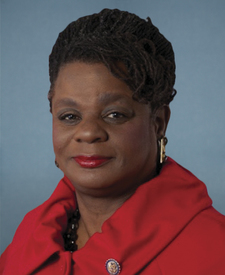
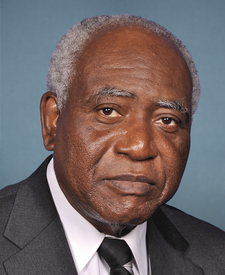
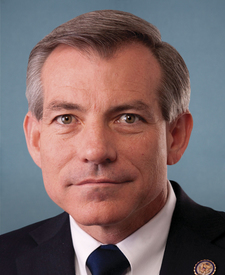
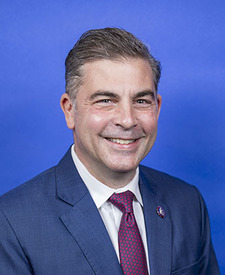
Legislative Progress
ReportedPlaced on the Union Calendar, Calendar No. 559.
Reported (Amended) by the Committee on Ways and Means. H. …
Additional sponsors: Mr. Davis of Illinois and Mr. Schweikert
Reported with an amendment, committed to the Committee of the …
Committee Consideration and Mark-up Session Held
Ordered to be Reported in the Nature of a Substitute …
Referred to the House Committee on Ways and Means.
Ms. Moore of Wisconsin (for herself and Mr. Carey) introduced …
Introduced in House
Stakeholder Effects
cui bono?How this legislation distributes effects. Mention counts reflect frequency, not effect magnitude.
Fictive kin mentors, Foster care caseworkers, Foster care peer mentors
Positive-direction: Fictive kin mentors, Foster care peer mentors, Kin caregivers, Youth still in foster care, Youth who experienced foster care at age 14
Negative-direction: Foster care caseworkers, State Chafee administrators
Bill Structure & Actor Mappings
Who is "The Secretary" in each section?
- "chafee"
- → John H. Chafee Foster Care Program
- "secretary"
- → Secretary of Health and Human Services
- "state_agencies"
- → State child welfare agencies
We use a combination of our own taxonomy and classification in addition to large language models to assess meaning and potential beneficiaries. High confidence means strong textual evidence. Always verify with the original bill text.
Learn more about our methodology